

Langtang, Gosainkunda & Helambu Trek
●●●●● 4.9 · 60+ TripAdvisor reviewsTrek through three distinct regions of the Langtang National Park from glacial valleys to sacred alpine lakes to traditional Sherpa villages in 17 days
Friends paying separately still get the group price.
On The Trail
What It Really Looks Like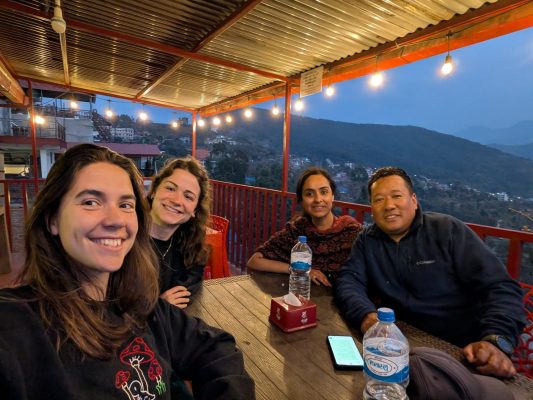
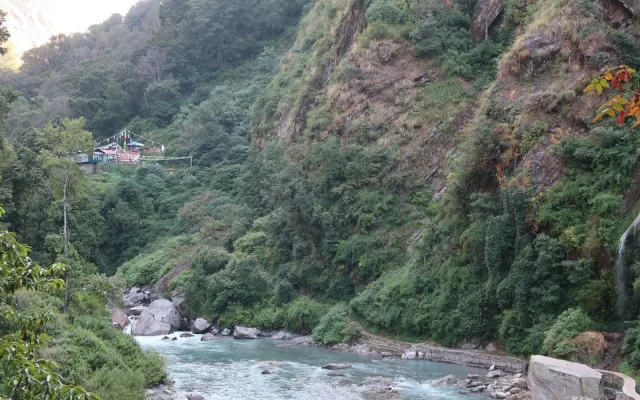
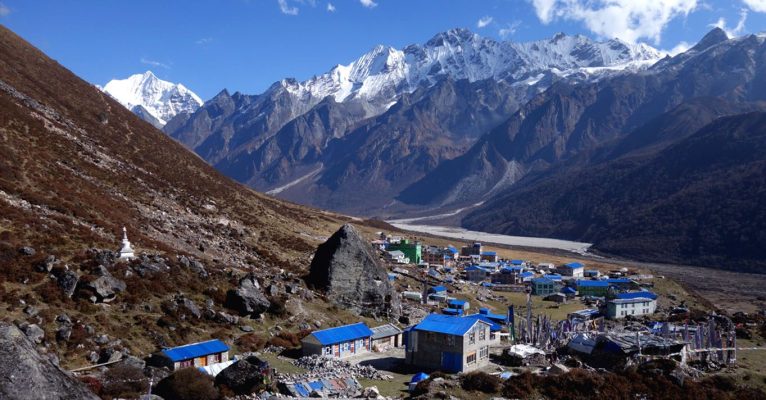
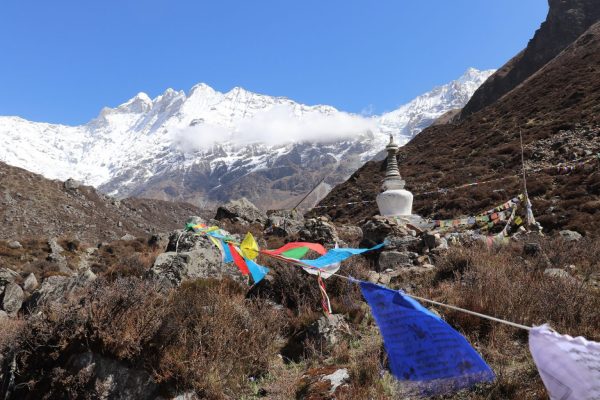
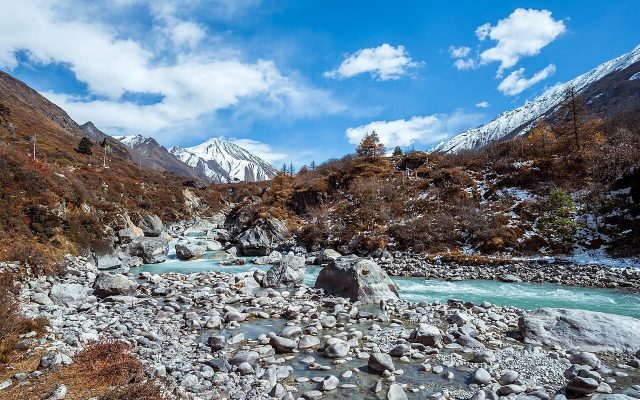
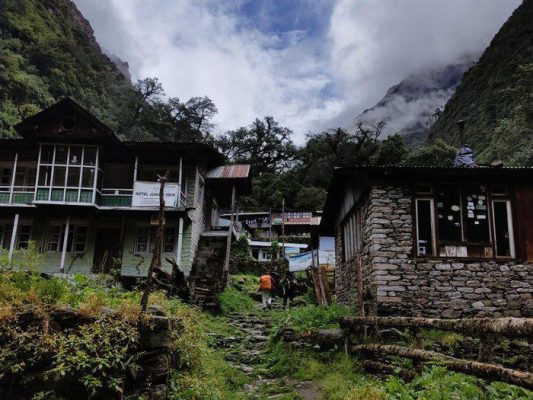
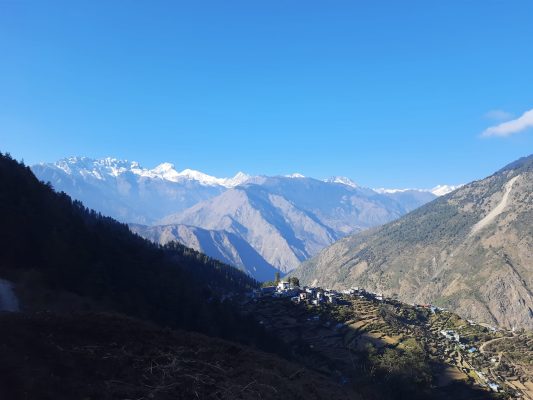
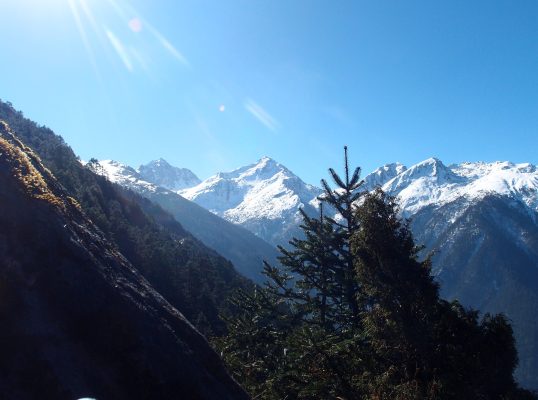
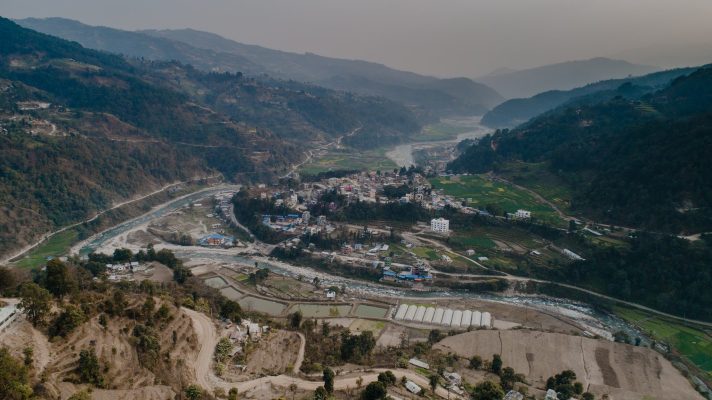
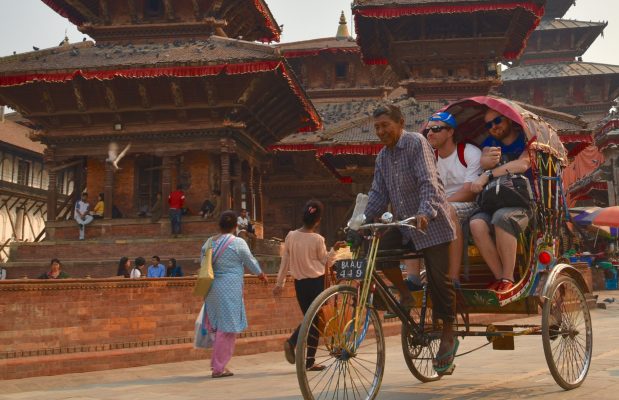
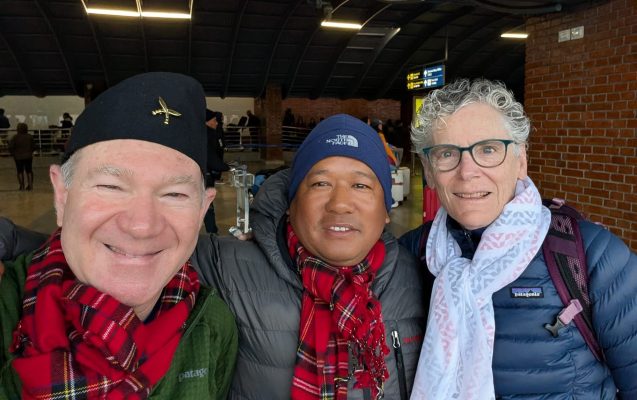
Langtang, Gosainkunda & Helambu Trek: What to Expect
Langtang Valley, Gosainkunda, and Helambu in a single continuous trek
Entire route accessible by road from Kathmandu, no weather delays
Langtang-based guides who know every trail, village, and pass
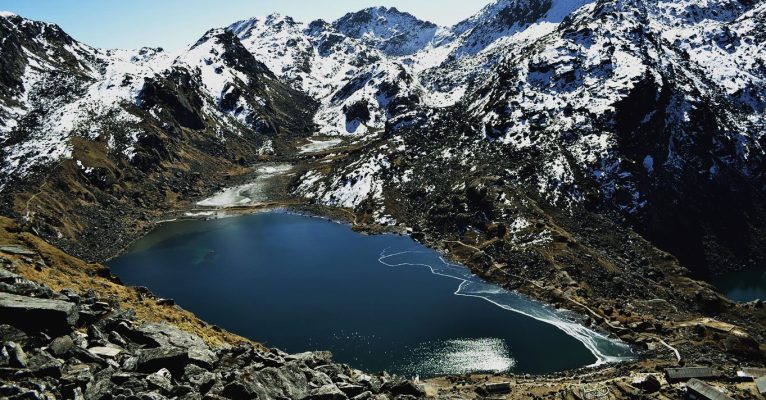
One of Nepal's most sacred alpine lakes, revered by Hindus and Buddhists
The Langtang, Gosainkunda and Helambu Trek connects three separate trekking regions in a single 17-day circuit without a domestic flight. The route starts with a drive north from Kathmandu to Syabrubesi, climbs through the glacial Langtang Valley to Kyanjin Gompa, crosses to the sacred lakes of Gosainkunda, then descends through the traditional Sherpa villages of Helambu to Melamchi Pul Bazaar before returning to Kathmandu by road.
Daily walking is 5 to 7 hours. The trail reaches 4,610m at Laurebina La Pass and an optional 5,000m at Tserko Ri. Altitude sickness is a real risk above 3,500m and the itinerary is paced to allow proper acclimatization. This trek is rated challenging. Previous hiking experience is beneficial and good cardiovascular fitness is required before departure.
MountainKick runs this trek with licensed local guides who handle all permits, transport, and logistics from day one. No domestic flights means no weather delays and no added flight costs. Kumar answers personally if you have questions before booking.
For a shorter Langtang option see our Langtang Valley Trek. For a more demanding route see the Langtang Ganja La Pass Trek.
Day-by-Day Itinerary
Arrive in Kathmandu
A MountainKick representative meets you at the airport and transfers you to your hotel in Thamel. Your guide runs a brief intro covering the full 17-day route, gear check, and what to expect across all three trekking regions. The evening is free to explore Thamel and pick up any last-minute gear

Drive to Syabrubesi
A full-day drive northwest along the Trishuli River valley through Trishuli Bazaar and the Nuwakot countryside. The road climbs gradually from the Kathmandu Valley toward Syabrubesi, the gateway town to Langtang National Park. On clear days you get distant views of Ganesh Himal and Manaslu from the highway
Trek to Lama Hotel
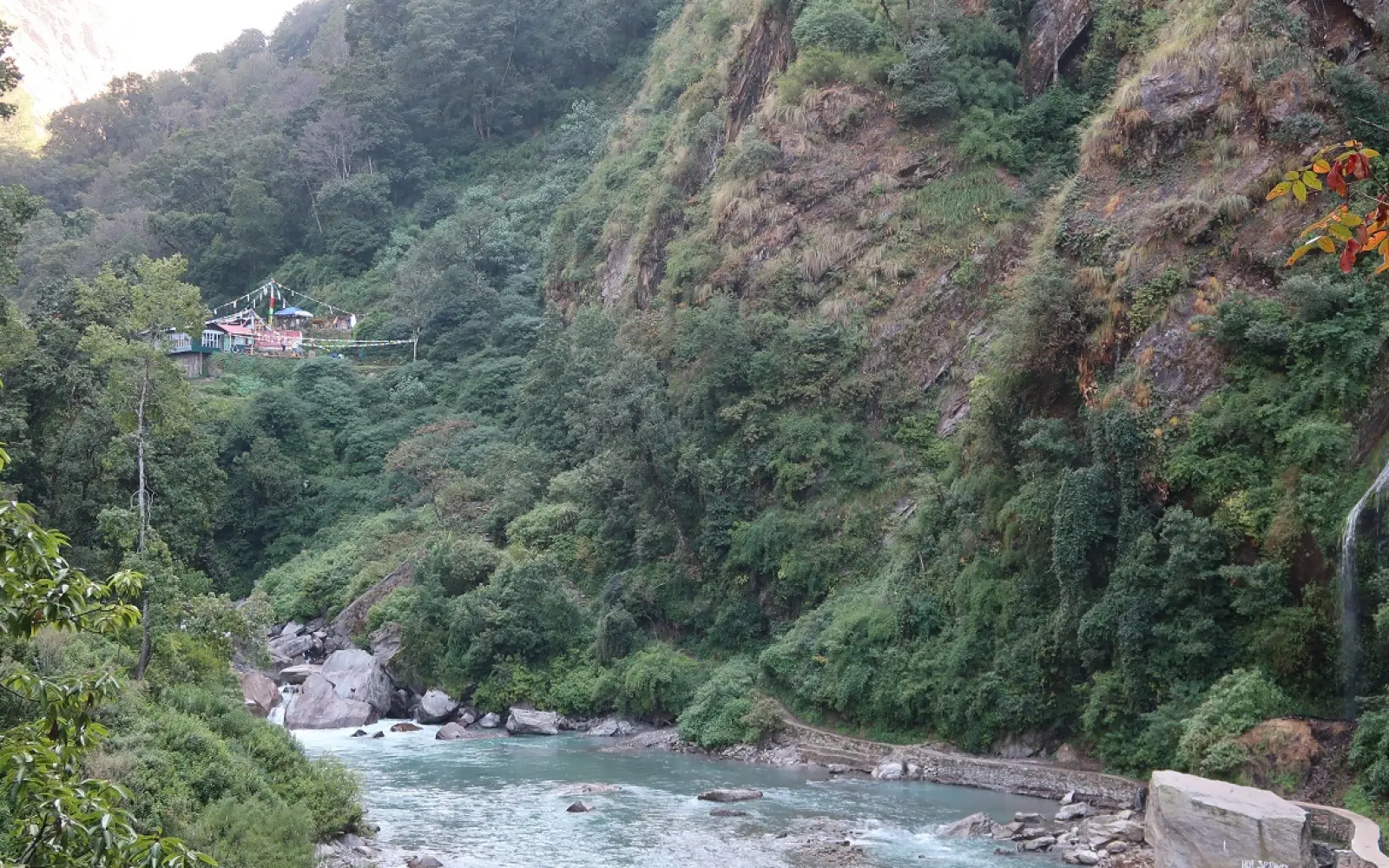
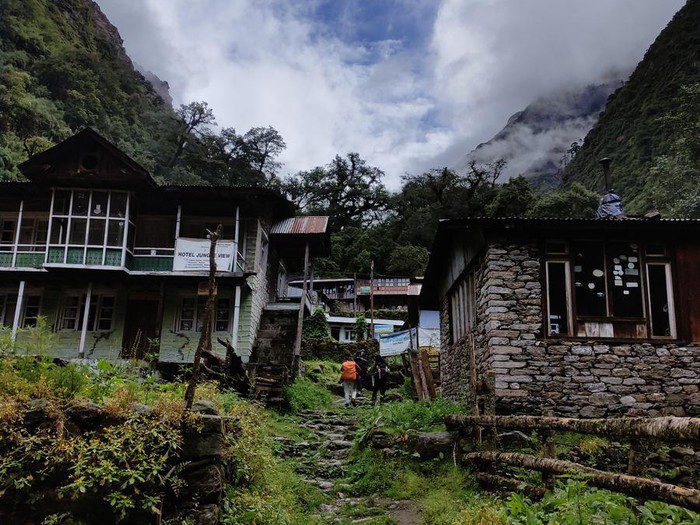
The trek begins with a steady climb following the Langtang Khola through dense forest of oak, rhododendron, and bamboo. The trail crosses several rivers via suspension bridges and passes through Bamboo village and Rimche before reaching Lama Hotel, a cluster of teahouses in a forest clearing. This section is prime habitat for red pandas and Himalayan black bears
Trek to Mundu
The trail steepens above the tree line into vast yak pastures with the first full mountain panoramas coming into view. You pass Ghoda Tabela, a former army checkpoint, then Langtang Village, completely rebuilt after the 2015 earthquake landslide. A further 30 minutes uphill brings you to Mundu with dramatic views of Langtang Lirung at 7,234m

Trek to Kyanjin Gompa
A shorter day designed for acclimatization. The trail follows the valley floor through meadows past what is reportedly the largest Buddhist prayer wall in Nepal to Kyanjin Gompa, surrounded by a glacial amphitheater of peaks. The ancient monastery and the yak cheese factory, established with Swiss assistance in the 1950s, are both worth a visit
Climb Tserko Ri
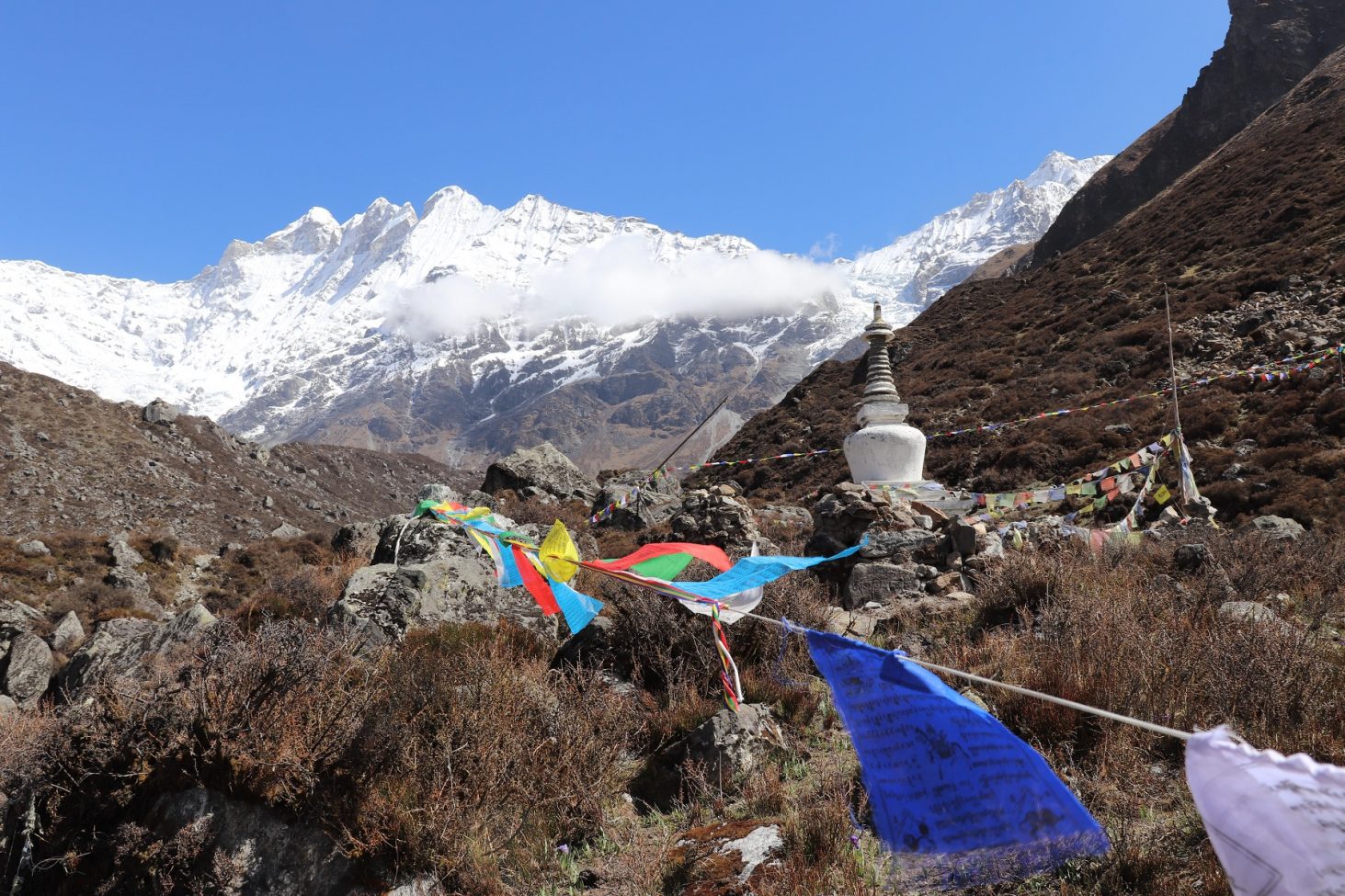
The trek’s highest point and one of the finest accessible viewpoints in Nepal. The ascent follows a steep zigzag trail over loose and sometimes snow-covered rock from Kyanjin Gompa to the summit, where a 360-degree panorama takes in Langtang Lirung, Dorje Lakpa, Langtang Ri, Ganesh Himal, and the Langtang Glacier below
Trek to Lama Hotel
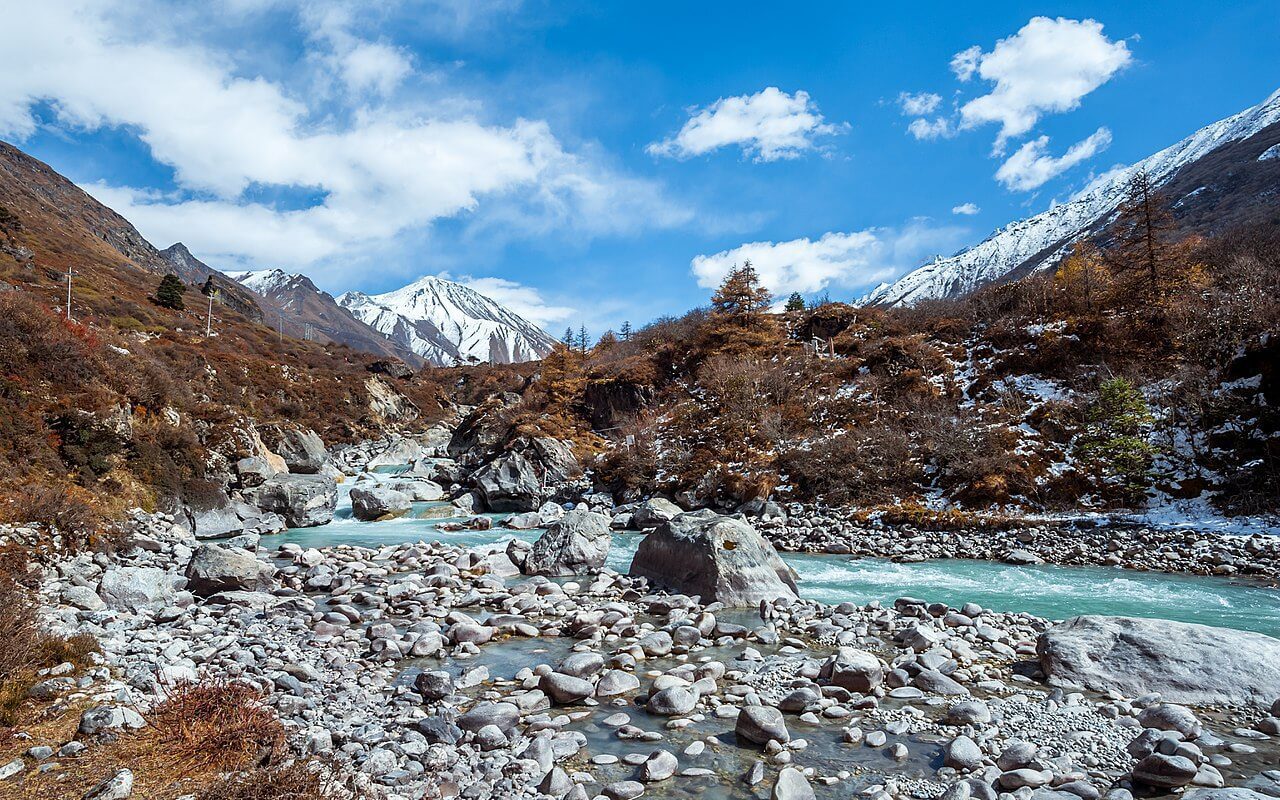
A long descent retracing the Langtang Valley trail from a new perspective. The 1,490m drop covers familiar ground but the views read differently going downhill and the forest sections feel slower and richer. The easier breathing at lower altitude is noticeable and welcome after two nights above 3,800m
Trek to Thulo Syabru
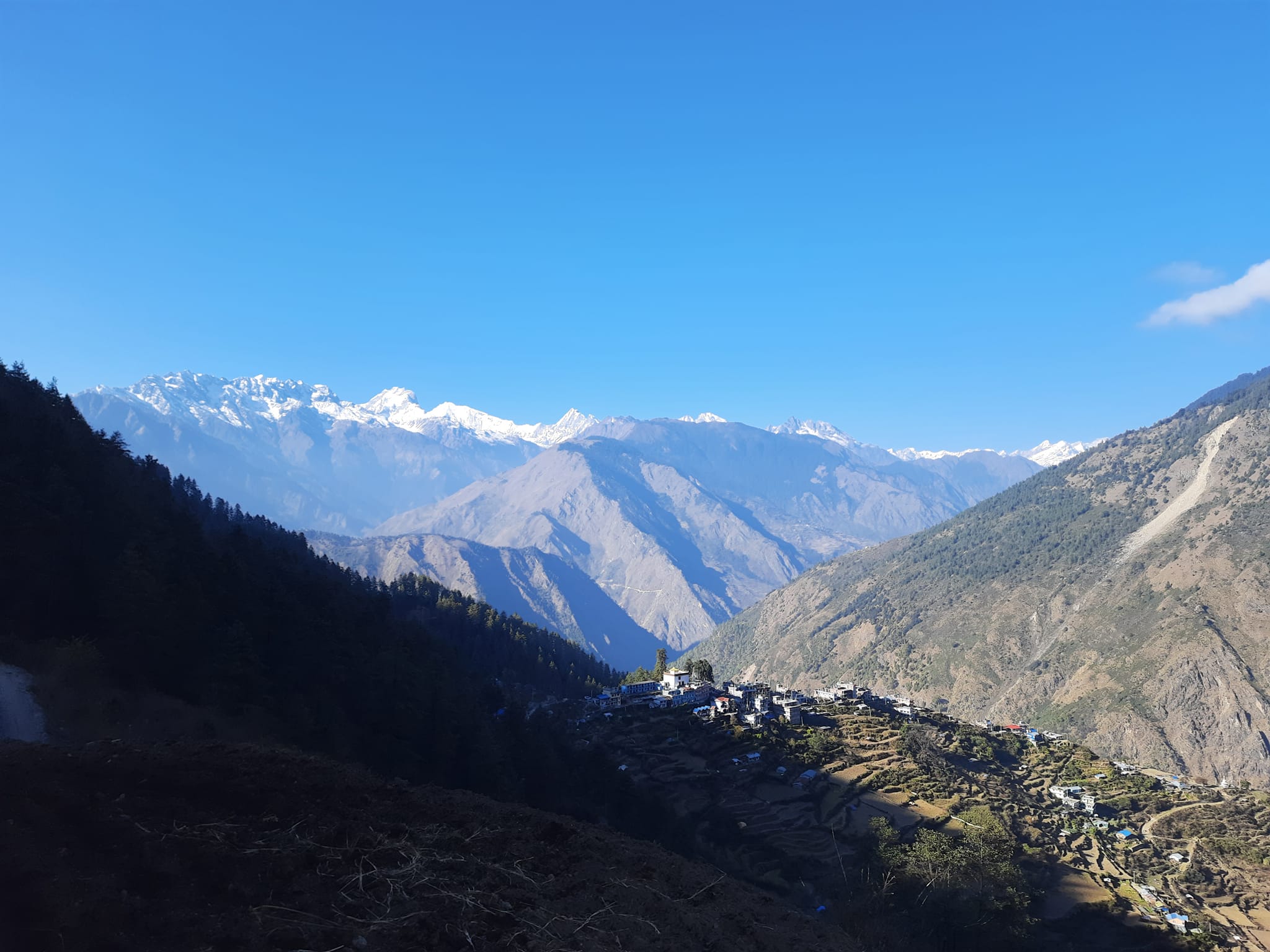
Rather than returning to Syabrubesi the trail branches off toward Thulo Syabru, a traditional Tamang village perched on a ridge with wide mountain views. This marks the transition from the Langtang Valley section to the Gosainkunda section of the trek. The route descends through forest before climbing to the village at a natural junction between the two trail systems
Trek to Shin Gompa
The climb to Shin Gompa, also known as Chandanbari, takes you through dense rhododendron forest past Dimsa village. On clear days views of Langtang Himal open up behind you as you gain height. The area around the monastery and its nearby cheese factory is one of the best red panda habitats in Nepal, though sightings are rare
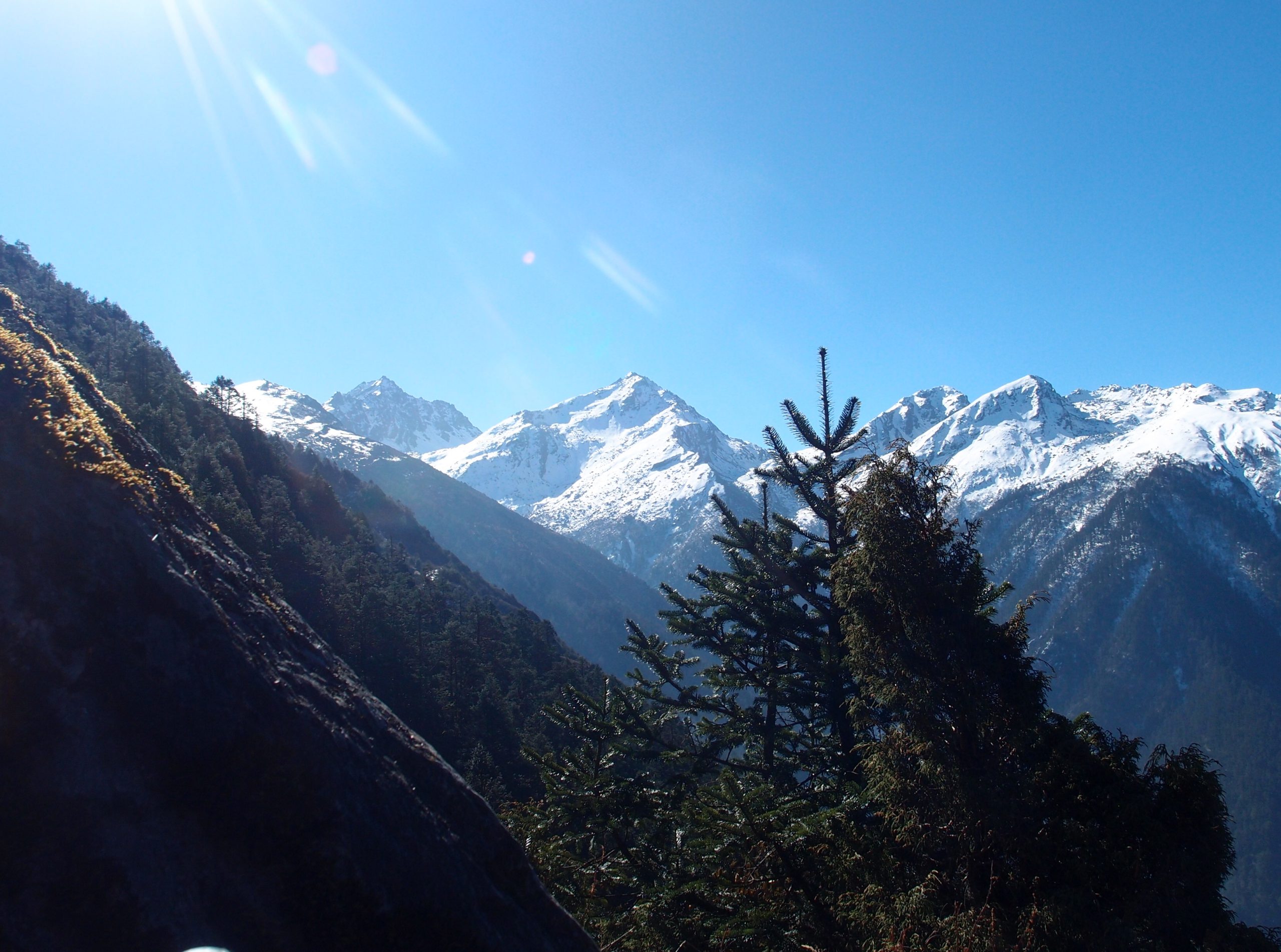
Trek to Gosainkunda
The trail climbs through rhododendron forest before emerging into rocky alpine terrain, passing Lauribinayak at 4,000m where the landscape shifts dramatically. The final approach follows a rocky trail past several smaller lakes before the main Gosainkunda Lake appears, a 13.8-hectare body of water in a stark alpine bowl sacred to both Hindus and Buddhists
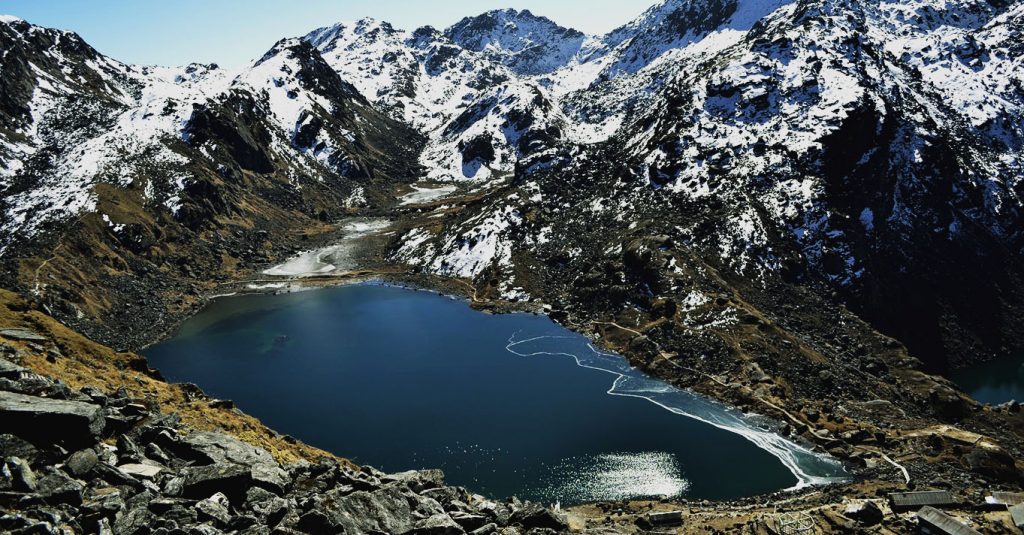
Cross Laurebina La to Ghopte
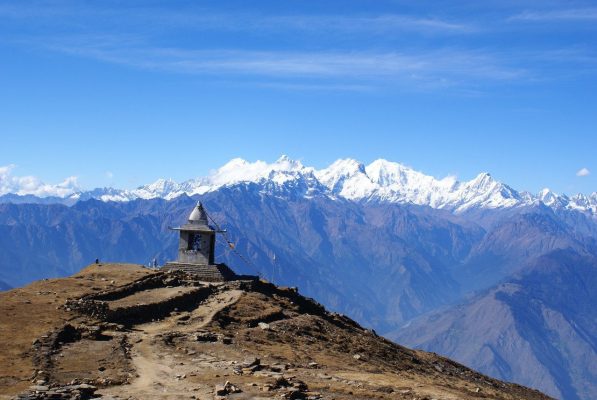
The toughest day of the trek. The trail climbs past several alpine lakes to Laurebina La Pass at 4,610m, the highest point on the trekking route itself. The pass is non-technical but physically demanding at altitude and weather can change rapidly. The descent from the pass is steep and rough, dropping through Phedi and forested hills to Ghopte, your entry point into Helambu
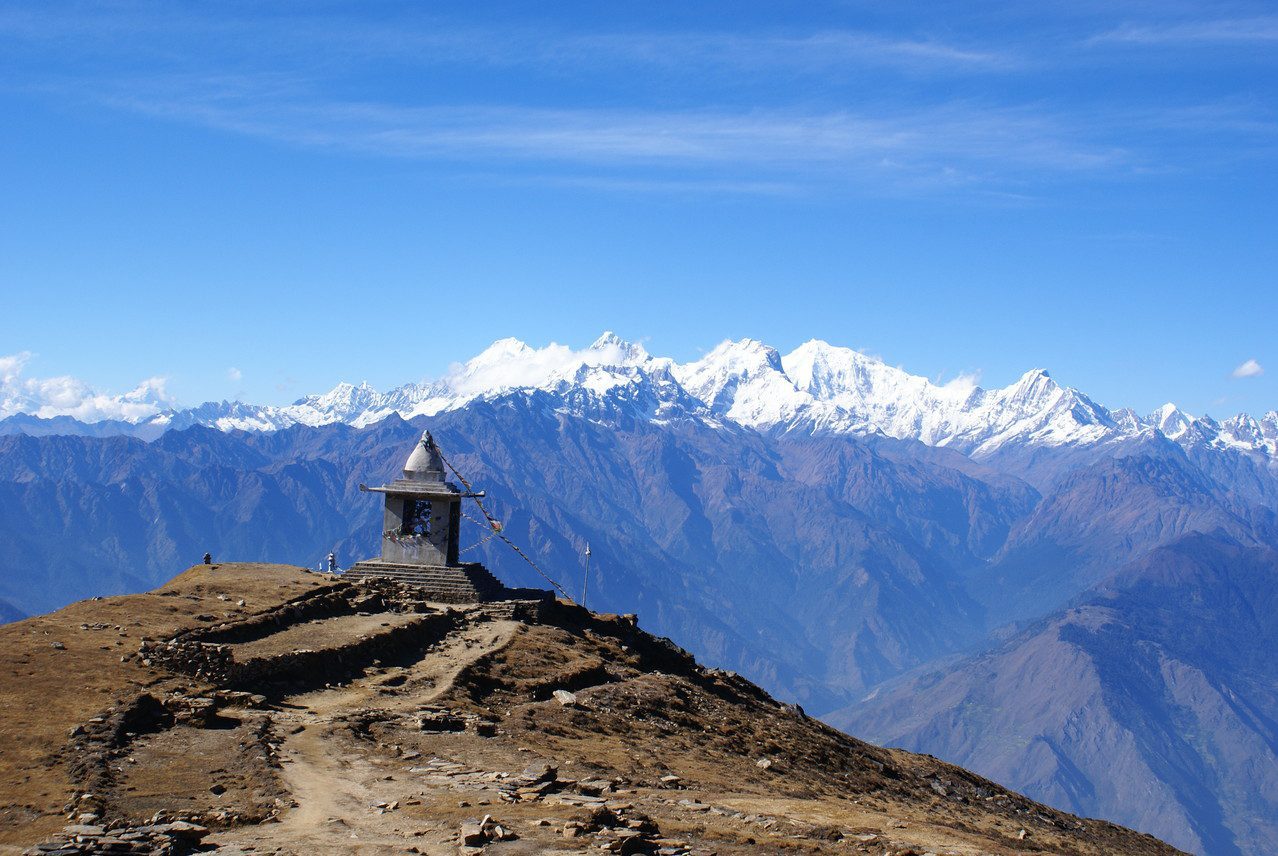
Trek to Melamchi gaon
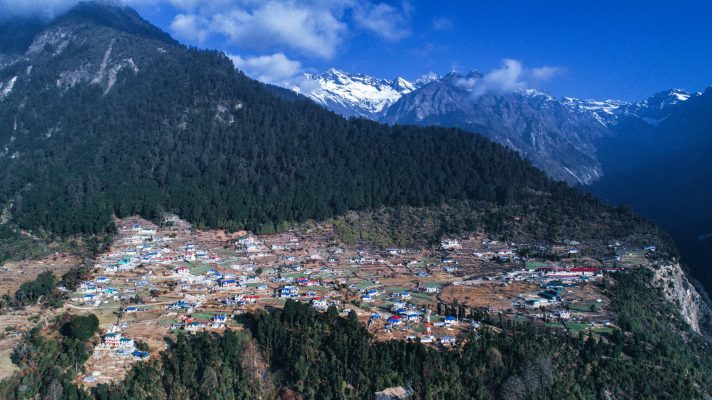
The trail descends through rhododendron forest before climbing to Thare Pati at 3,690m, a ridge-top settlement with views in every direction. From there the trail drops through forest and a series of small settlements to Melamchigaon, a traditional Sherpa village in the heart of Helambu where local traditions have been preserved for centuries
Trek to Tarke Ghyang
An uphill walk to Tarke Ghyang, the largest village in the Helambu region and home to indigenous Sherpa people who have maintained traditional ways of life for generations. The village monastery is the oldest in Helambu and worth spending time in. The shorter day leaves the afternoon free for cultural exploration
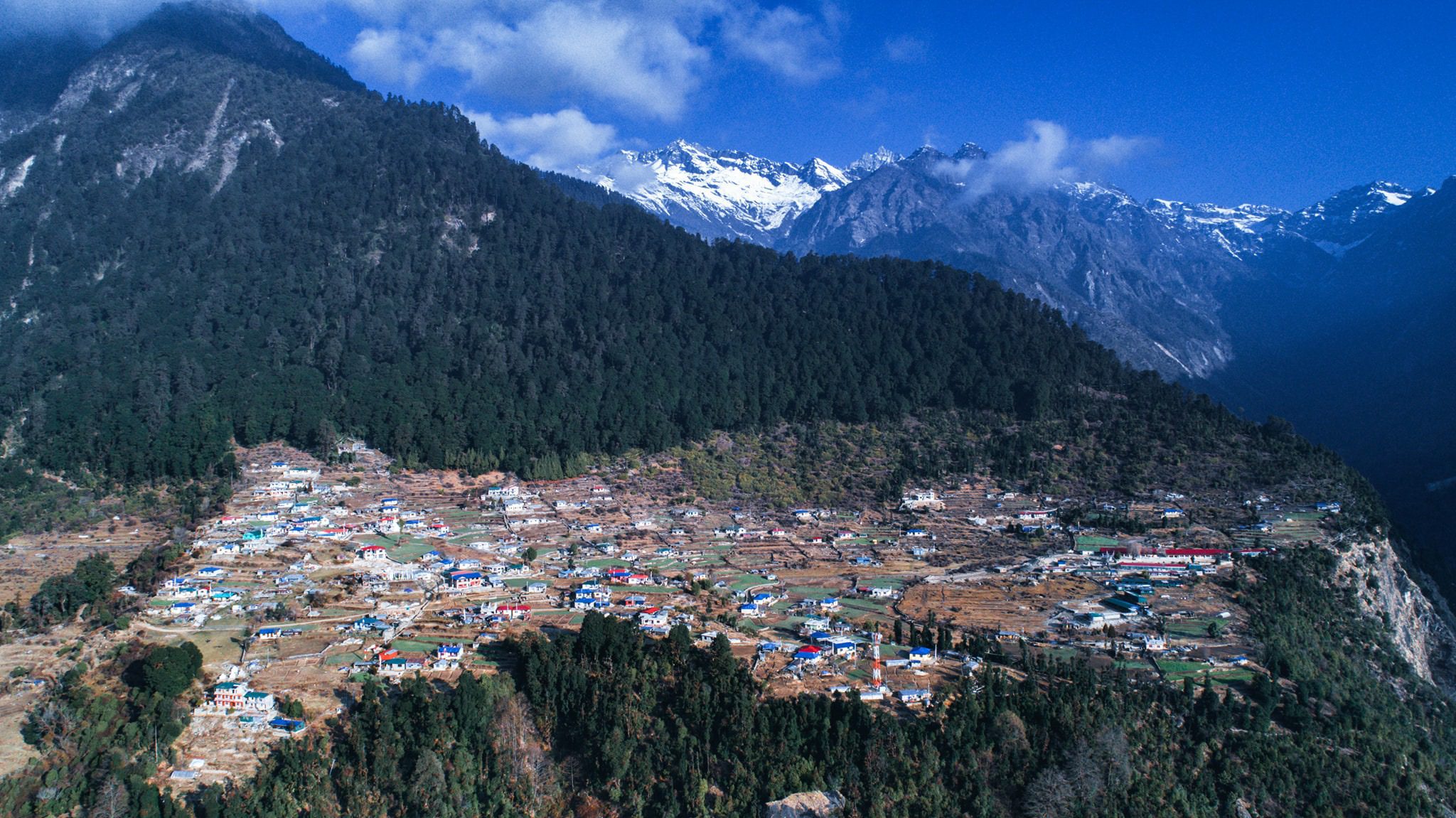
Trek to Sermathang
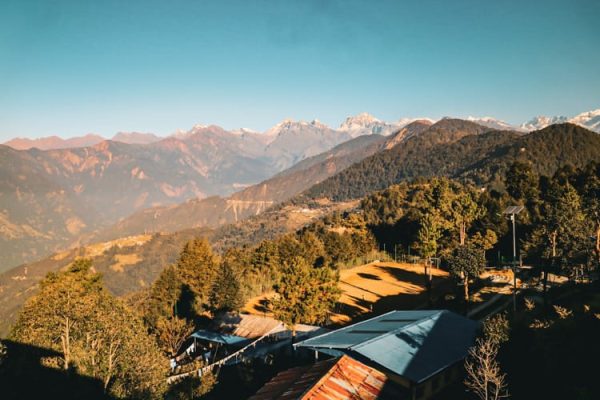
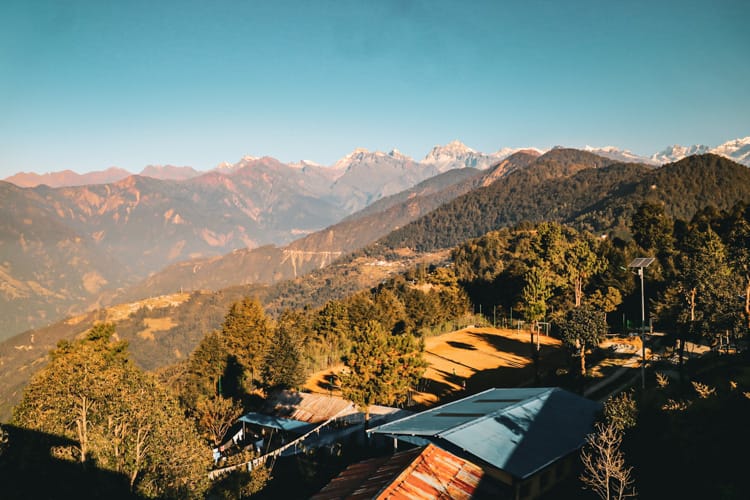
The trail crosses a valley and passes through the villages of Parachin and Gangyul before reaching Sermathang. This stretch gives you an extended look at traditional village life in Helambu, terraced fields, Buddhist monasteries, stupas, and prayer wheels lining the path. Mountain views accompany you throughout the day
Trek to Melamchi Pul Bazaar
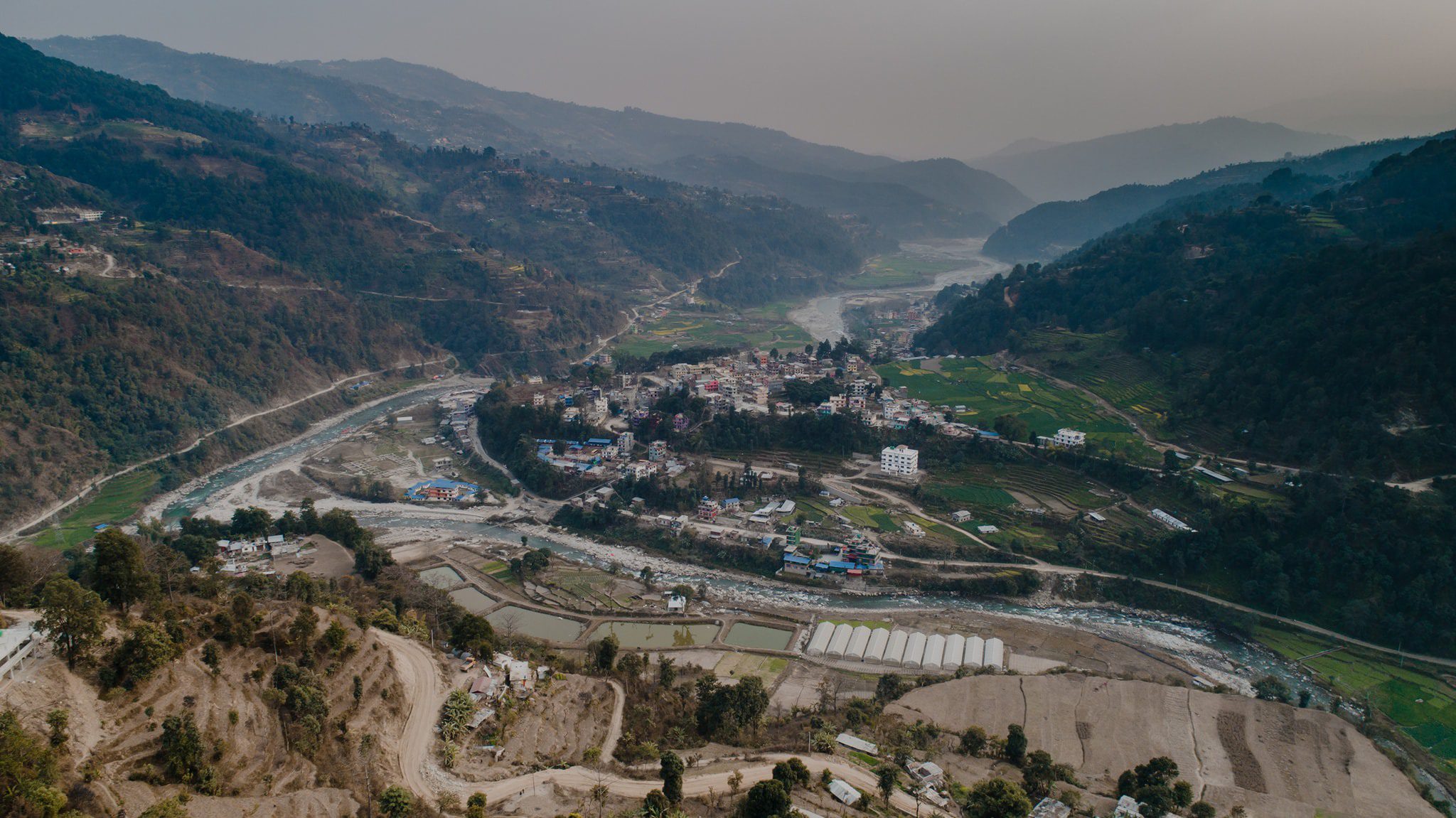
The final trekking day descends through agricultural terraces to the road-head town of Melamchi Pul Bazaar. This completes the three-region circuit from the glacial peaks of Langtang through the sacred lakes of Gosainkunda to the cultural heartland of Helambu. The warmer air and lower altitude at the valley floor feel like a different world after two weeks above 2,000m
Drive to Kathmandu and Farewell Dinner
A scenic drive through mountain valleys back to Kathmandu, arriving by early evening. Farewell dinner with traditional Nepali food and cultural performances closes out the three-region circuit

Final Departure
Transfer to Tribhuvan International Airport for your international departure. MountainKick handles the airport drop-off. Depending on your flight timing, there may be time for a final breakfast or last-minute shopping.
Activity: Airport drop-off | Time: As per flight schedule
3D Route Map
Includes & Excludes
-
Airport and hotel transfers Private vehicle on arrival and departure days
-
3-star hotel in Kathmandu Twin-sharing with breakfast included
-
Teahouse accommodation on trek Twin-sharing throughout all trekking nights
-
Licensed Langtang guide NTB licensed, full time, dedicated to your group
-
Porter service One porter carries your duffel for every two trekkers
-
Langtang National Park permit and TIMS Both arranged in Kathmandu before departure
-
Local bus Kathmandu to Syabrubesi Day 2, departs Gongabu Bus Park
-
Public bus Melamchi Pul Bazaar to Kathmandu Day 16, return leg after Helambu section
-
Farewell dinner with cultural show Traditional Nepali food and performance, Kathmandu
-
Duffel bag MountainKick kit, yours to keep
-
Staff costs covered Salary, insurance, equipment, food and accommodation for all crew
-
All taxes and official charges No hidden fees added after booking
-
International flights To and from Kathmandu, booked independently
-
Nepal visa $30 / $50 / $125 on arrival at Kathmandu airport
-
All meals during the trek Budget $25 to $35 per day
-
Lunches and dinners in Kathmandu Breakfast only is covered at the hotel
-
Travel insurance Must include helicopter rescue to 5,000m minimum
-
Personal trekking gear Rental options available in Kathmandu through us
-
Hot showers, Wi-Fi, charging on trail Small extra charge at each teahouse
-
Drinks and bottled water Available at every teahouse
-
Tips for guides and porters 10 to 15% of trip cost is the standard across Nepal
-
Costs from illness or itinerary changes Travel insurance covers most of these scenarios
Enhance Your Trek
We Handle the Details
FreeWhere You'll Sleep & What You'll Eat
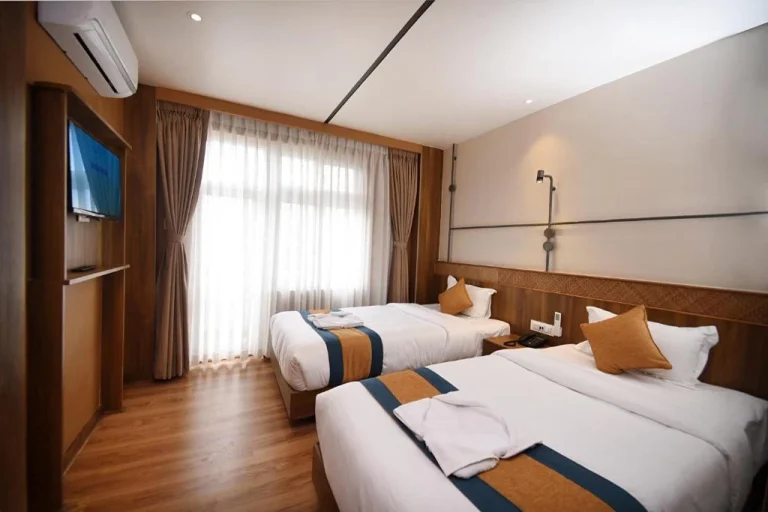
In Kathmandu you stay in a 3-star hotel in Thamel on twin-sharing basis with breakfast included. Rooms have private bathrooms, hot water, and Wi-Fi. On all trekking nights you stay in teahouses across the Langtang Valley, Gosainkunda, and Helambu sections. Rooms are simple with beds, pillows, and blankets provided. Bathrooms are shared throughout. Facilities get more basic as you gain altitude. At Gosainkunda at 4,380m expect the most stripped-back conditions on the route, with limited electricity and no reliable hot showers. Single supplement is available on request at lower elevations but cannot be guaranteed above 3,500m.
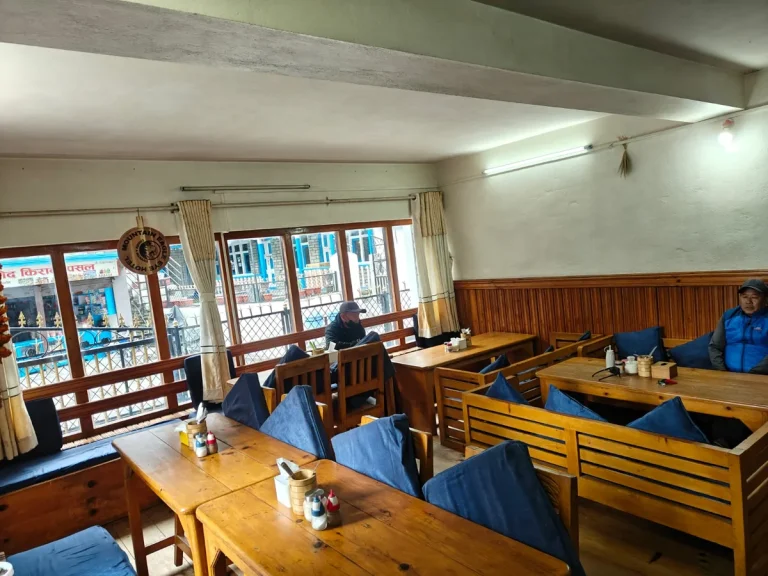
Breakfast is included at the Kathmandu hotel. All meals on trek days are your own cost, ordered and paid at each teahouse. Teahouses serve dal bhat, noodle soups, fried rice, eggs, pasta, porridge, and chapati. Vegetarian options are available throughout. Food prices increase with altitude. Budget $30 to $40 per day for three meals and drinks on the trail. Avoid meat above Syabrubesi as supply chains are unreliable at higher elevations.
| Meals and drinks per day | $30 to $40 /day |
| Hot shower | $3 to $5 |
| Wi-Fi | $2 to $5 per day |
| Battery charging | $1 to $2 per device |
| Bottled water | $2 to $4 per litre |
What Our Trekkers Say
“An amazing trek with so much variety”
As a group of three friends, we had a fantastic time on this route. Langtang itself was beautiful, but Gosainkunda was the real highlight for us. Our guide was excellent and made the longer days much easier, and finishing through Helambu showed us a completely different side of the region.…
“Beautiful lakes, villages and mountain views”
This was our first proper trek in Nepal and we loved it. Travelling as a couple, our guide was patient, knowledgeable, and always checking that we were comfortable. Gosainkunda Lake was spectacular, especially early in the morning, and the route through Helambu gave us a quieter chance to see village…
“A memorable journey through the Himalayas”
We wanted something longer and less crowded, and this trek delivered exactly that. The landscape shifts constantly, from the forests of Langtang to the high lake at Gosainkunda and then down through Helambu. The MountainKick team were very professional and our guide took great care of the group, challenging but…
Frequently Asked Questions
How difficult is the Langtang, Gosainkunda and Helambu Trek?
This trek is rated challenging. It involves 13 days of walking reaching 4,610m at Laurebina La Pass and an optional 5,000m at Tserko Ri. All trails are walkable without technical climbing equipment. The main challenges are the duration, altitude exposure, and some demanding ascent and descent days. Previous hiking experience is beneficial and good cardiovascular fitness is required before departure.
What is the maximum altitude on this trek?
The highest point on the trekking route is Laurebina La Pass at 4,610m. The optional Tserko Ri climb reaches 5,000m. The highest sleeping altitude is Gosainkunda at 4,380m. All three are well above 3,500m where acute mountain sickness commonly occurs, so proper acclimatization is essential. Read our altitude sickness guide before departure.
When is the best time to do this trek?
Autumn from September to November offers the best conditions with clear skies and stable weather. October is peak season for good reason. Spring from March to May is excellent too with rhododendron forests in full bloom between 2,500m and 3,500m. Monsoon from June to August brings rain, leeches on lower sections, and poor visibility. Winter from December to February is possible but expect snow on Laurebina La and reduced teahouse availability at higher elevations.
Do I need technical climbing equipment?
No. Unlike the Langtang Ganja La Pass Trek which requires ropes, crampons, and ice axes, this entire route is walkable without technical equipment. Good trekking boots, trekking poles, and appropriate layered clothing are sufficient for both Laurebina La Pass and the optional Tserko Ri climb.
What permits are required?
Two permits are required: the Langtang National Park Entry Permit and the TIMS card. Both are arranged by MountainKick in Kathmandu before the trek starts and are included in the package price. You do not need to arrange these yourself.
Are meals included?
Meals are not included during trekking days. You order and pay at each teahouse along the route. Budget $30 to $40 per day for three meals plus drinks and snacks. Breakfast is included at the Kathmandu hotel and the farewell dinner on Day 16 is included. Teahouse menus offer dal bhat, noodle soups, fried rice, eggs, pasta, and chapati.
What is Gosainkunda and why is it significant?
Gosainkunda is a sacred alpine lake at 4,380m in Langtang National Park. Hindu mythology holds that Lord Shiva created the lake by thrusting his trident into the mountainside. The lake is one of 108 in the cluster, covers 13.8 hectares, and is revered by both Hindus and Buddhists. During the Janai Purnima festival each August thousands of pilgrims make the journey here.
How does this compare to the Langtang Valley Trek?
The Langtang Valley Trek covers just the first section of this route in 10 days from $510. This combined trek adds Gosainkunda and Helambu, making it the most comprehensive single trek in the Langtang region. Doing all three sections separately would require multiple trips from Kathmandu and cost significantly more overall.
What is the accommodation like at Gosainkunda?
Gosainkunda at 4,380m has the most basic accommodation on the trek. Expect simple twin rooms, limited electricity, and no reliable hot showers. Teahouses provide bedding but bringing a sleeping bag rated to at least 0°C is strongly recommended for warmth and hygiene. Single rooms are extremely limited at this elevation, particularly in peak season.
How fit do I need to be?
You should comfortably hike 5 to 7 hours per day for consecutive days. This is a 17-day commitment with limited rest days. Prepare with 3 to 4 months of regular hiking, running, or cycling, and practice hikes with significant elevation gain. You do not need to be an athlete but good baseline fitness makes a real difference on the harder days.
What travel insurance do I need?
Travel insurance covering emergency helicopter evacuation to at least 5,000m is mandatory on this trek. Helicopter rescue costs approximately $4,000 to $6,000 without insurance. Purchase your policy before arriving in Nepal and carry a printed copy on the trail. Confirm trekking coverage and helicopter evacuation are explicitly included in your policy.
Are there ATMs on the route?
No ATMs exist beyond Kathmandu on this route. Withdraw all cash before departure. Budget $30 to $40 per day for teahouse meals plus additional trail costs for hot showers, Wi-Fi, and battery charging. Carry small denominations as change is limited at teahouses, particularly at higher elevations.
How does this compare to Everest Base Camp or the Annapurna Circuit?
The EBC Trek (14 days, from $1,160) reaches higher altitude (5,545m at Kala Patthar) and requires a domestic flight. The Annapurna Circuit (16 days, from $770) crosses Thorong La at 5,416m. The Langtang Gosainkunda Helambu Trek reaches lower maximum altitude (4,610m on route) but covers more diverse terrain and culture across three regions. It is less crowded than both, does not require flights, and is more affordable. It is a strong alternative for trekkers who want variety over extreme altitude.
What wildlife might I see?
Langtang National Park is home to red pandas, Himalayan black bears, musk deer, Himalayan tahr (wild mountain goats), langur monkeys, and over 250 bird species. Red pandas are the park’s flagship species – the forest sections between 2,500-3,500m (particularly around Shin Gompa) are prime habitat. Sightings are rare because the animals are shy and largely nocturnal, but your guide will point out signs of their presence.
Can this trek be shortened or customized?
Yes. MountainKick offers full customization. Common modifications include shortening the trek by skipping the Helambu section (ending at Dhunche after Gosainkunda, reducing to 13-14 days), adding extra acclimatization days, upgrading transport to private vehicle, or combining with the Tamang Heritage Trek for deeper cultural immersion. Visit our customize your trip page.
What should I pack?
Essential items: layered clothing (base layer, insulating mid-layer, waterproof shell), warm down jacket, trekking boots (well broken-in), trekking poles, sleeping bag rated for 0C to -5C, 25-35L daypack, headlamp, water bottles, sunscreen SPF 40+, and personal medications. A detailed packing checklist is available on the trip page. Sleeping bags and down jackets can be rented from MountainKick for approximately $35 each.
What is the food like on the trek?
Teahouse menus are similar across the route. Standard options include dal bhat (the Nepali national dish of rice, lentils, vegetables, and pickles – typically with unlimited refills), noodle soups (thukpa), fried rice and noodles, momos (Tibetan dumplings), eggs, pancakes, chapati, and simple pasta dishes. Food prices increase with altitude. Tea and instant coffee are available everywhere. Bottled water and soft drinks are available but contribute to mountain waste – consider water purification tablets or a SteriPen instead.
What is the booking process?
Submit an inquiry through the trip page or contact MountainKick directly. A deposit confirms your dates (private departure or group). MountainKick provides a detailed equipment checklist and pre-trip coordination. Full payment is due before departure. The team handles all permits, transport, accommodation, and guide/porter arrangements. MountainKick has representatives in Australia, the USA, and Europe for local support during the booking process.
Departure Dates & Pricing
Your dates, your group, your way
Same route and guides, just your group. Tell us when you'd like to go and how many of you there are, and we'll send you a day by day plan with a price.
- Nothing to pay now
- Plan and price by email
- Confirm with a 20% deposit
"*" indicates required fields
Rather chat? Message us on WhatsApp
-
1
20% deposit: due on booking Secures your place on the departure. The deposit is non-refundable. We also need a copy of your passport.
-
2
80% balance: due on arrival Pay the rest in Kathmandu before the trip starts. Bank transfer, cash, or card (4% card fee).
| Cancel before you arrive | Deposit not refunded, nothing more to pay |
| Cancel after the pre-trip meeting | No refund |
| Date or name change | USD 200 per person |
| MountainKick cancels trip | Full refund or reschedule |
Weather delays and extra days cost extra, so travel insurance is required. We give you documents for any claim.
Read the full terms and conditionsPacking List
Clothing and Layers
ⓘ This trek reaches 4,610m. Pack your warm layers where you can reach them quickly, not buried at the bottom of your duffel.
Footwear
ⓘ The descent from Laurebina La to Ghopte is steep and rough. Boots with solid ankle support and grip protect your knees significantly on this section.
Sleeping and Warmth
ⓘ Sleeping bags rated to -10°C can be rented through us in Kathmandu before departure. Essential for Gosainkunda and high Helambu nights.
Trekking Equipment
Documents and Money
ⓘ Withdraw all cash before departing Kathmandu. No ATMs exist anywhere on this route including Helambu. Budget NPR for 15 days of meals, hot showers, Wi-Fi, and tips.
Personal and Toiletries
First Aid
ⓘ Your guide carries a basic first aid kit throughout the trek. This list covers personal items that supplement what the guide carries.
Trekking in Winter (Dec to Feb)
Trekking in Monsoon (Jun to Aug)
⚠ Langtang and Helambu are hikeable in monsoon but not recommended as a first Himalayan trek. Trails below Lama Hotel become muddy and leech-heavy, teahouses above Gosainkunda may close, and the Laurebina La Pass crossing becomes significantly harder in wet conditions. Speak to Kumar before booking a June to August departure.
Leave at home
-
Cotton clothing Absorbs sweat and stays wet. Dangerous at altitude when temperatures drop.
-
Heavy DSLR with multiple lenses Adds serious weight to your daypack every single day. A mirrorless or phone camera is enough.
-
Hardcover books Heavy and unnecessary. Download reading material before departure
-
More than two pairs of shoes Boots and camp sandals cover everything. Extra shoes waste porter weight allowance.
-
Valuables and jewellery No safe storage on trail. Leave anything irreplaceable in Kathmandu luggage storage.
-
Full-size toiletries Decant into small bottles. Space and weight matter more than comfort products.
Sleeping bags and down jackets can be rented through us in Kathmandu before departure. Trekking poles are best purchased or rented in Thamel. MountainKick provides a duffel bag for every trekker and connects you with trusted gear shops at the pre-trip briefing.
Langtang, Gosainkunda & Helambu Trek
Talk to Kumar and the team before you commit. Ask about gear, fitness, altitude or a private group.


Tales from the Himalayas
 Travel
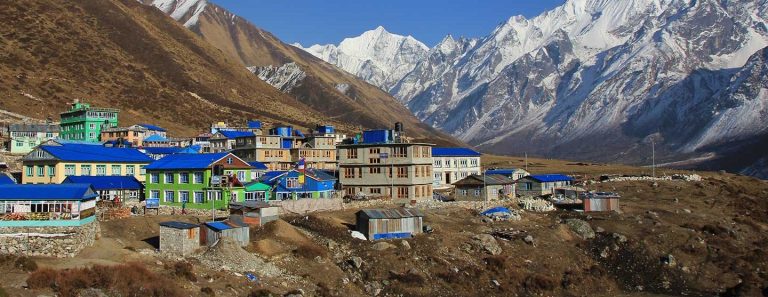
 Best Time to Trek Langtang Valley: Month by Month
Langtang is close to Kathmandu and good for much of the year, but the season changes everything from the views…
 Annapurna Region
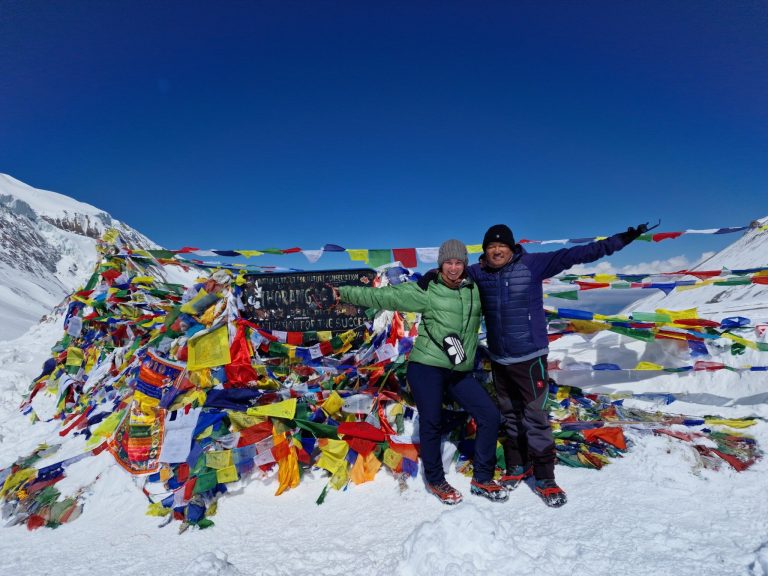
 Thorong La Pass: A Guide to the Big Day on the Annapurna Circuit
Thorong La at 5,416m is the highest point of the Annapurna Circuit. Here’s what crossing day is really like, from…
 Everest Region
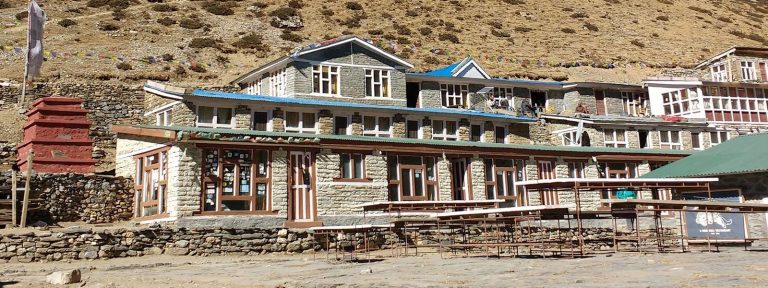
 Annapurna Circuit Teahouses: What the Rooms Are Really Like
Teahouses on the Annapurna Circuit range from comfortable lodges in Manang to bare rooms at Thorong Phedi. Here’s what to…