

Kathmandu-Nagarkot Hike
●●●●● 4.9 · 60+ TripAdvisor reviewsHike to the top of two hills above Kathmandu in this journey through forests and countryside. Shivapuri National Park is known for its flora and fauna and for its popularity among trekkers. Most people in Kathmandu and also most tourists begin their trekking experience by hiking through the park to Chisapani. This is exactly you […]
Kathmandu-Nagarkot Hike: What to Expect
Hike to the top of two hills above Kathmandu in this journey through forests and countryside.
Shivapuri National Park is known for its flora and fauna and for its popularity among trekkers. Most people in Kathmandu and also most tourists begin their trekking experience by hiking through the park to Chisapani. This is exactly you will do. And from there, you will do some more trekking to reach the Nagarkot hills – the most visited hill station in Kathmandu.
Day-by-Day Itinerary
Arrival.
We will pick you up from Tribhuvan International Airport as you land into Kathmandu (4,600 feet) and take you to your hotel.
Drive to Sundarijal. Then trek to Chisapani (6,939ft).
A private vehicle will take you to Sundarijal which is approximately nine miles northeast from Kathmandu. Sundarijal, with its waterfalls and rivers, is a holy site for Hindus. It lies in the bottom of Shivapuri National Park and this is where we begin our trek. After entering through the gate of the national park, we will hike uphill through the forest. There are villages and shops at regular intervals where we could rest or drink tea.Plenty of rivulets cross our path on our way up and if you are lucky you could see a wild animal or bird like monkeys, squirrels, deer and leopards. We reach Chisapani in five hours. You will be treated with magnificent views of the Himalayas from Chisapani.
Trek to Nagarkot (7,201ft).
With the Himalayas in the backdrop, we embark for Nagarkot after breakfast. The trail passes through forests like the previous day but the landscape in different as you will be trekking on top of hills not toward the top. After about three hours, we will stop for lunch at either Jhule or Chauki Bhanjyang. Then we leave for Nagarkot which takes about four hours more. We walk past several villages on our way till we finally reach Nagarkot. This hill station is one of the most popular destinations around Kathmandu and is renowned for beautiful scenes of sunrise and sunset.
Drive to Kathmandu. Sightseeing in Kathmandu.
We will drive you back to Kathmandu in a private vehicle passing through Bhaktapur Durbar Square on our way. Bhaktapur Durbar Square is a centuries-old royal courtyard where the former palaces and temples still stand in their former glory. This site is included in the Unesco’s World Heritage List for its historical, religious and cultural significance. You will feel like you have got back in time as the people and neighborhoods here have remained the same for ages. We also visit the Boudhanath Stupa, a Buddhist monastery, and the Pashupatinath Temple, one of world’s most sacred Hindu temples. Both of them are also in the Unseco list.
Departure.
We will drop you to the airport and bid you goodbye.
What Our Trekkers Say
“A great short hike from Kathmandu”
As a couple, we really enjoyed getting out of Kathmandu for a day. The walk to Nagarkot took us through small villages and countryside, a nice change from the city, and the views were beautiful once we arrived, especially later in the afternoon. Our guide was great and MountainKick organized…
“Lovely walk and beautiful views”
There were four of us and we had a very enjoyable day hiking to Nagarkot. The trail gave us a chance to see local village life along the way, and we were lucky with the weather, fantastic mountain views from Nagarkot. The whole trip was relaxed and well organized by…
Frequently Asked Questions
Where will I be staying during the trip?
In Kathmandu, you will stay in a three-star hotel while you will be staying at standard guesthouses during your travel. There will be electricity, internet, laundry and hot showers in all of the places you stay. You will have to share your room with a fellow traveller in our typical package. At some destinations, especially in the Himalayas, you will have to stay in a tented camp. If you want to make separate living arrangements, talk to us beforehand and we can arrange single rooms for additional $250. Some guesthouses at very high altitudes and remote places may not have attached washrooms or single rooms.
And food?
All your major meals (breakfast, lunch and dinner) are included in your trekking package except in Kathmandu (where only breakfast is provided for). You will be served local food at all places we dine but you can order anything you like on the menu which you will have to pay for yourself. You will have a range of options so there won’t be a problem if you are a vegetarian or vegan. We make sure you get healthy and hygienic food throughout your travel.
How much help do I get during the trek?
Our guides and porters always put your safety and comfort first. We have English-speaking guides who take you to all major attractions throughout the travel and are happy to answer all your queries. We have one porter assigned each for two travellers and you will have to pay separately if you want to hire extra porters. We have local support staff in all villages and camps you reach to assist you in any way possible.
What happens in case of injuries and emergencies?
The guides always carry a professional first aid kit with them to treat with minor injuries. We also have health professionals at villages and camps along the journey. The travel insurance you take (which is compulsory) covers any and all emergency rescue and evacuation.
What if I want to do something beyond the itinerary?
We are always happy to accommodate your wishes during the travel so far as they do not conflict with schedules and other travellers. If you have special plans, you can talk to us beforehand so that we can arrange a customised trip for you.
What equipment do I bring?
You have to bring all travel equipment yourself. Please see the equipment section for a standard list of required equipment prepared by our guides. Most of the items are easily available in Kathmandu in case if you miss any and we also lend you some of the gears for the duration of the trip for a small fee.
Will I get to communicate with the outer world?
There is internet and telephone connection in all of our stops for the day throughout the journey. You will be able to call back home or post your pictures on Facebook everyday.
What travel documents do I need?
As soon as you land into Kathmandu, we take care of all your travel documents required during your trip. You just need to bring your passport and a copy of your travel insurance. Tourist fees and permits to enter certain areas will be arranged for by Mountain Kick.
Which is best time of the year to travel?
Most of the trekking routes are open throughout the year but September through to December and March to May are the best months to travel.
How much money do I need to carry during the trip?
Around $50 will be enough to buy you lunch and dinner in Kathmandu. During your travel, you can get by with around $25 a day. But it depends on how much you want to spend. Due to the exchange rate and predominantly rural economy of Nepal, things are pretty cheap in Nepal.
Can I use my credit cards?
Almost all international credit cards are accepted in Nepal. However, not all places, especially during your travel, accept them. There may be a fee involved in processing your card.
Are tips for my guides and porters expected? How much?
Our staff do not expect you to tip them. Generally, travellers tip them if they are satisfied with the service as a means of gratitude. Even when travellers tip the guides and porters, there is no fixed rate. However, if you like to tip them, follow customs of your own country for tipping (which, as we have learned, is 10 to 15 percent of total cost for most western countries).
How do I book a tour?
Click Book Now to enter your details and we shall contact you. You can contact us directly for any further information or to prepare a customized itinerary for you. For payment information, see our Terms and Conditions.
Departure Dates & Pricing
No upcoming fixed departures are scheduled at the moment. Contact us to arrange a private departure on dates that suit you.
Your dates, your group, your way
Same route and guides, just your group. Tell us when you'd like to go and how many of you there are, and we'll send you a day by day plan with a price.
- Nothing to pay now
- Plan and price by email
- Confirm with a 20% deposit
"*" indicates required fields
Rather chat? Message us on WhatsApp
-
1
20% deposit: due on booking Secures your place on the departure. The deposit is non-refundable. We also need a copy of your passport.
-
2
80% balance: due on arrival Pay the rest in Kathmandu before the trip starts. Bank transfer, cash, or card (4% card fee).
| Cancel before you arrive | Deposit not refunded, nothing more to pay |
| Cancel after the pre-trip meeting | No refund |
| Date or name change | USD 200 per person |
| MountainKick cancels trip | Full refund or reschedule |
Weather delays and extra days cost extra, so travel insurance is required. We give you documents for any claim.
Read the full terms and conditionsPacking List
Documents
ⓘ Bring USD cash for the visa fee. Cards are not accepted at the visa on arrival counter at Tribhuvan Airport.
Clothing
ⓘ Temples require covered shoulders and knees on Day 2. For the trek wear moisture-wicking layers and broken-in boots. For rafting bring clothes you do not mind getting soaked.
Personal Items
ⓘ Sunscreen and lip balm are available in Thamel but bring your own. Your guide checks your kit before the trek starts on Day 7 and can arrange rental of missing items in Pokhara.
Electronics
ⓘ Nepal uses Type C, D, and M plug sockets. Bring a universal adapter if your devices use a different plug type.
Money
ⓘ ATMs are reliable in Kathmandu and Pokhara. Withdraw sufficient cash before the trek starts on Day 7. Teahouses on the Panchase trail are cash only and there are no ATMs between Pokhara and Kande.
Trekking in Winter (Dec to Feb)
Trekking in Monsoon (Jun to Aug)
⚠ Monsoon months from June to August are not recommended for this itinerary. Paragliding from Sarangkot is frequently grounded by low cloud and rain from June onward. The Panchase trek is manageable in light rain but summit views are often lost entirely. If you travel in June expect disruption to the paragliding section and plan for a backup activity in Pokhara.
Leave at home
-
Large wheeled suitcase You move between hotels, a guesthouse, and teahouses across 12 days. A duffel or soft bag is much easier throughout
-
Sleeping bag All accommodation aA sleeping bag is provided by MountainKick for the trek. No need to bring your ownincludes beds with bedding. Not required
-
Hiking poles Trekking poles are useful on this trip but not essential. Can be rented in Thamel or Pokhara if needed
-
Cotton clothing for trek days Cotton holds moisture and dries slowly. Wear moisture-wicking synthetic or merino wool on the trail
-
Heavy non-waterproof boots Too heavy and stiff for the Panchase trail. A lightweight hiking boot with ankle support is sufficient
A down jacket and sleeping bag are provided by MountainKick for the duration of the trek. Trekking poles and hiking boots can be rented in Thamel or Pokhara if needed. Your guide checks your full kit before the trek starts on Day 7 and arranges rental of any missing items on the spot.
Kathmandu-Nagarkot Hike
Talk to Kumar and the team before you commit. Ask about gear, fitness, altitude or a private group.


Tales from the Himalayas
 Travel
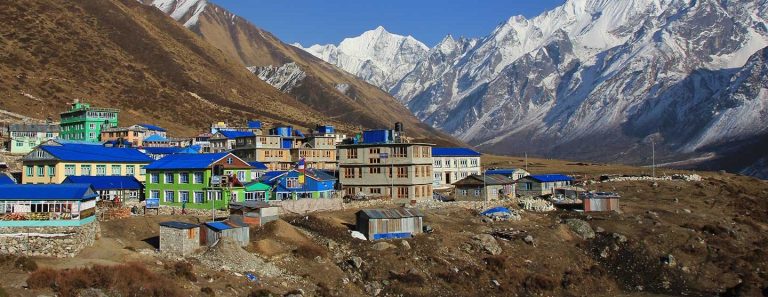
Best Time to Trek Langtang Valley: Month by Month
Langtang is close to Kathmandu and good for much of the year, but the season changes everything from the views…
 Annapurna Region
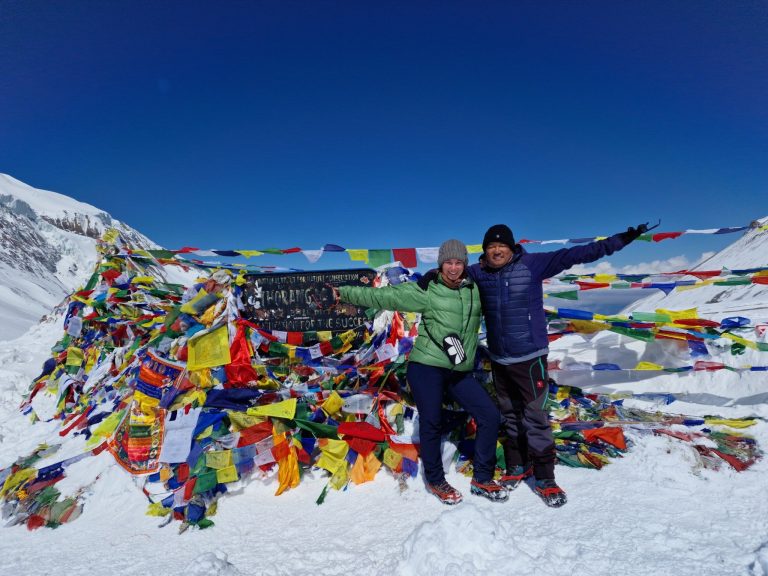
Thorong La Pass: A Guide to the Big Day on the Annapurna Circuit
Thorong La at 5,416m is the highest point of the Annapurna Circuit. Here’s what crossing day is really like, from…
 Everest Region
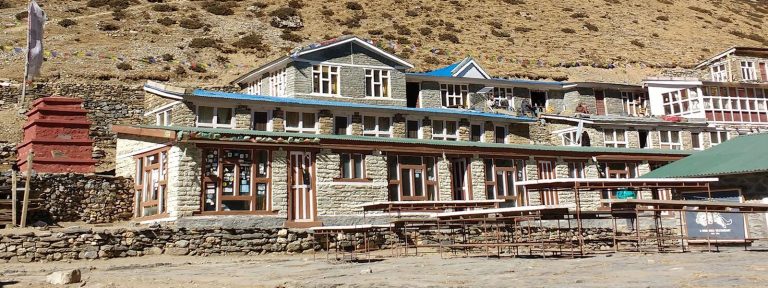
Annapurna Circuit Teahouses: What the Rooms Are Really Like
Teahouses on the Annapurna Circuit range from comfortable lodges in Manang to bare rooms at Thorong Phedi. Here’s what to…