

Upper Mustang Trek
Walk into Nepal's walled Buddhist kingdom with licensed guides, no middlemen, no outsourcing.
On The Trail
What It Really Looks Like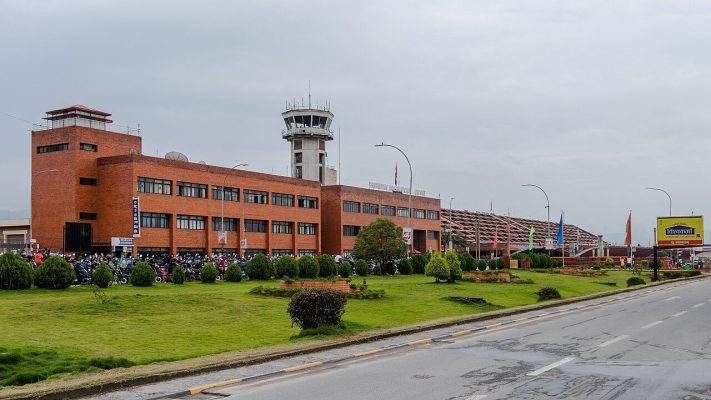
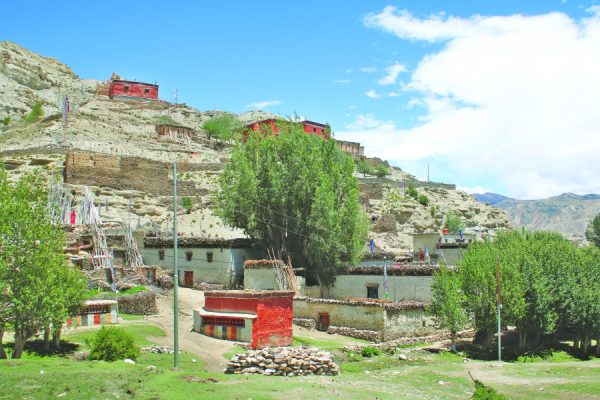
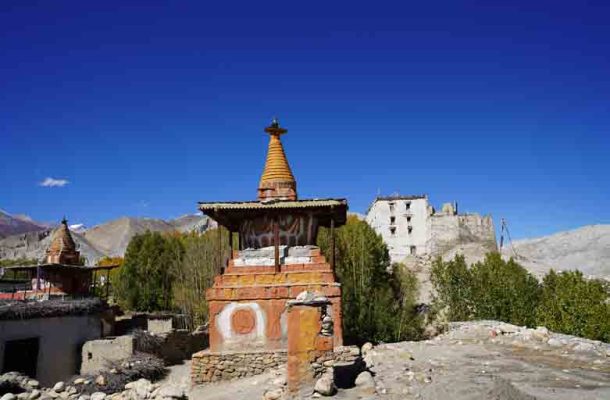
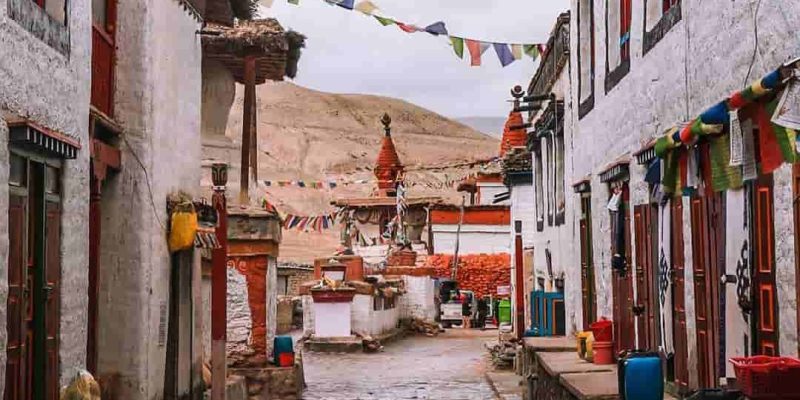
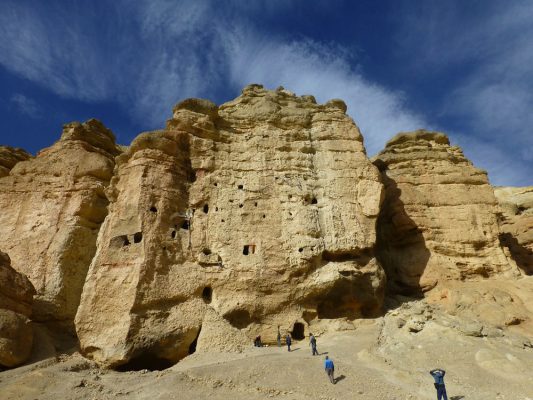
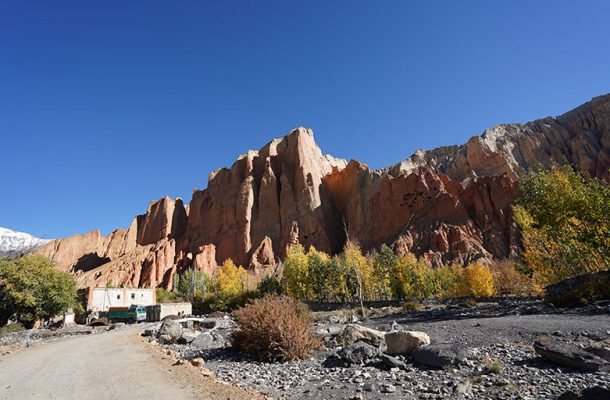
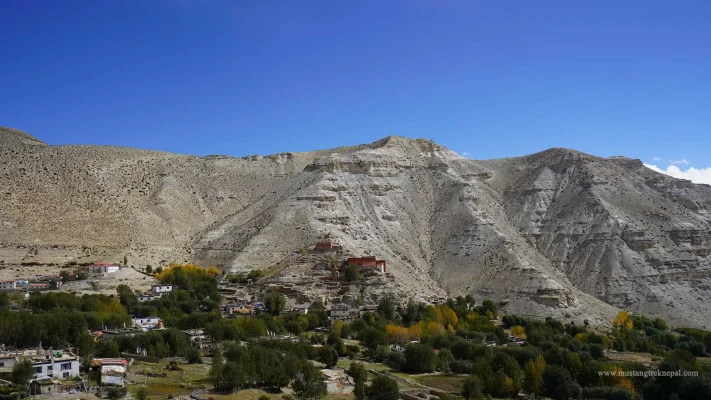
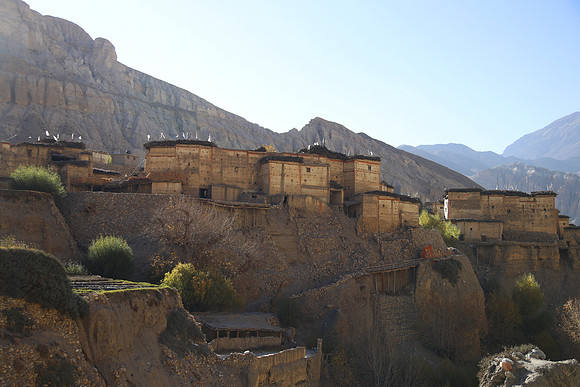
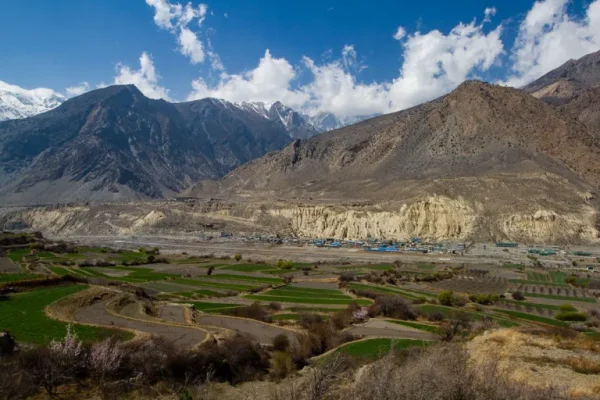
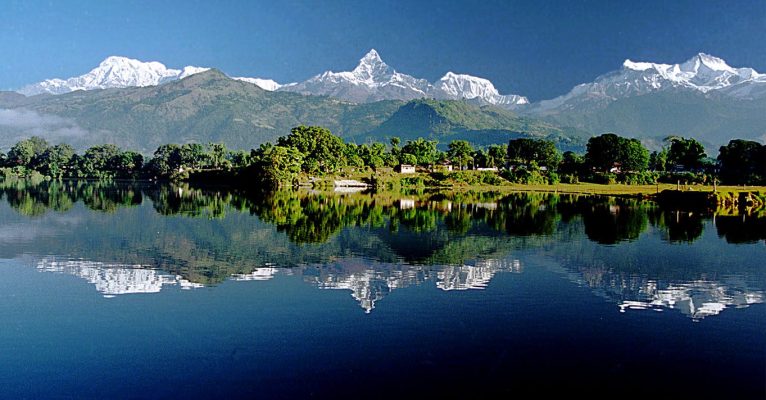
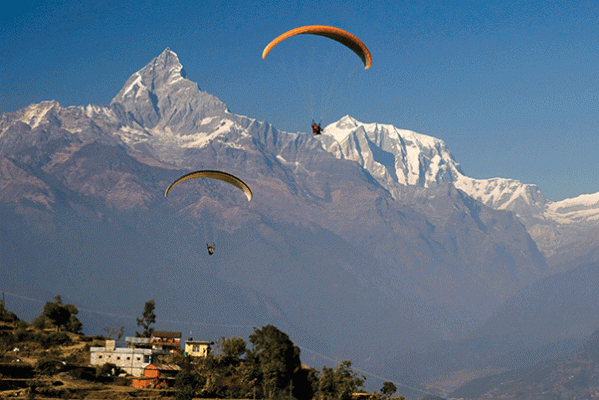
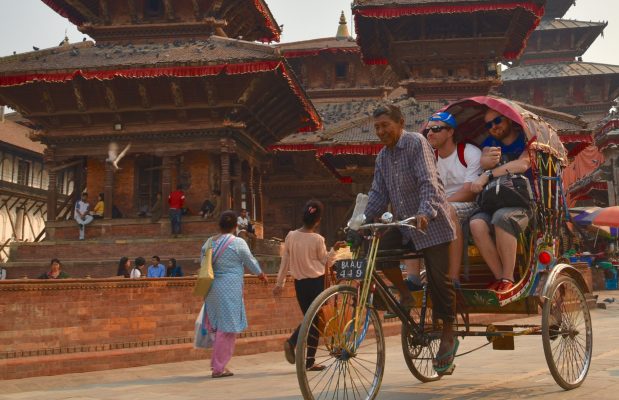
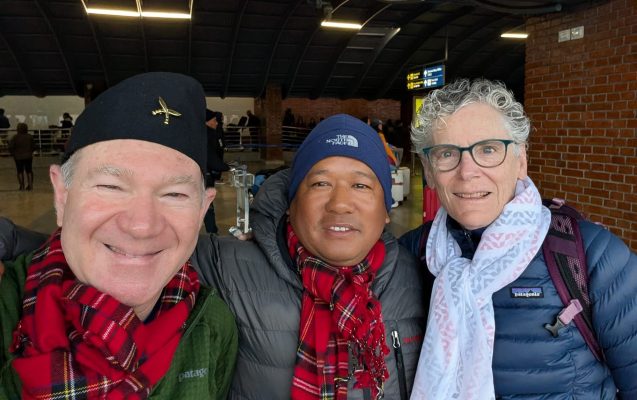
Upper Mustang Trek: What to Expect
Walk through a walled capital built in 1380. Foreign trekkers were only allowed inside in 1992.
Cross the Chogo La at about 4,280m on the way out of Lo Manthang, higher than the walled city itself. Most Upper Mustang itineraries top out near Lo Manthang and never go higher.
Restricted area permit and licensed guide required by law. We handle both directly, no agencies in between.
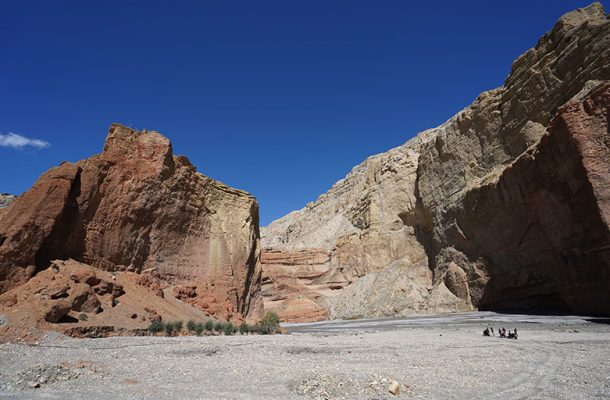
High desert cliffs and the world's deepest gorge. No jungle, no rice terraces, nothing like the rest of Nepal's trails.
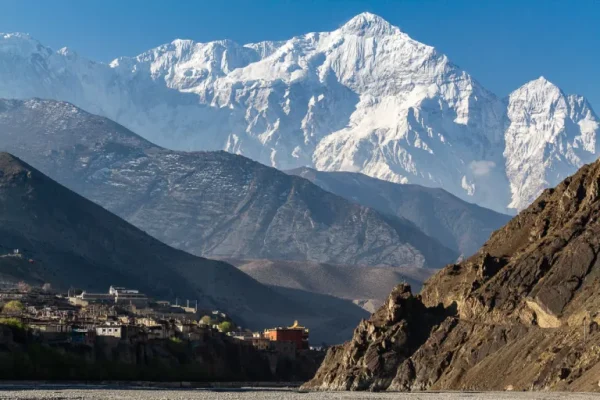
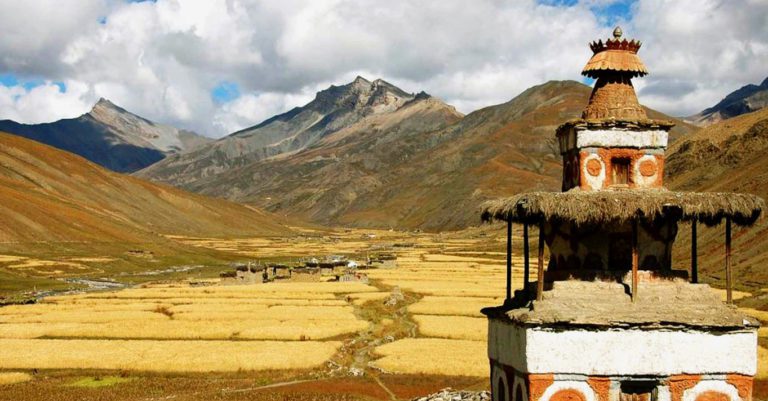
Upper Mustang feels like nowhere else in Nepal. Once you cross into the restricted zone at Kagbeni, the green hills disappear and you’re walking through high desert cliffs, cave dwellings, and windswept valleys shaped more by Tibet than by the rest of the Himalayas. The trail runs along the Kali Gandaki, the world’s deepest gorge, before climbing into a landscape of red rock and whitewashed villages that has changed little in centuries. You’ll spend two nights in the walled city of Lo Manthang, then loop back on a different route over Dhi Pass instead of retracing your steps.
Kathmandu → Pokhara → Jomsom → Kagbeni → Chele → Geling → Charang → Lo Manthang → Dhakmar→ Syangboche → Tetang → Jomsom → Pokhara → Kathmandu
On the trail
- Tangbe and Chele, mud brick villages with narrow medieval alleys
- Chungsi Cave, a sacred meditation cave built into a cliff face
- Ghar Gompa, a monastery that tradition links to Guru Padmasambhava in the 8th century
- Namgyal Gompa, a hilltop monastery outside Lo Manthang with valley views
This trek follows the same Kali Gandaki corridor as the Annapurna Circuit Trek, a good next step if you want more mountain passes and less desert.
Day-by-Day Itinerary
Arrival in Kathmandu (1,400m / 4,600ft)
Our team meets you at Tribhuvan International Airport and takes you to your hotel in Thamel. Later we hold a pre-trip briefing to walk through the itinerary, gear, and permits. Rest up before the drive to Pokhara starts tomorrow.

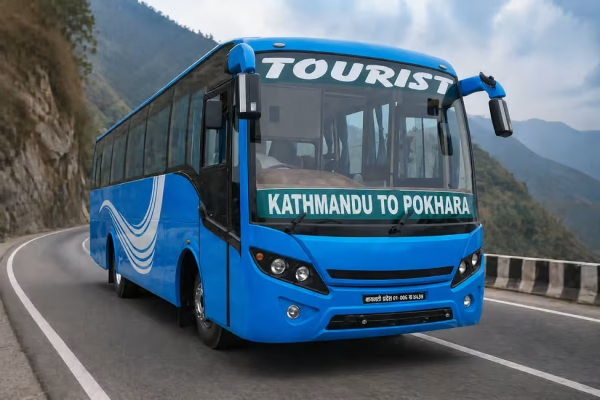
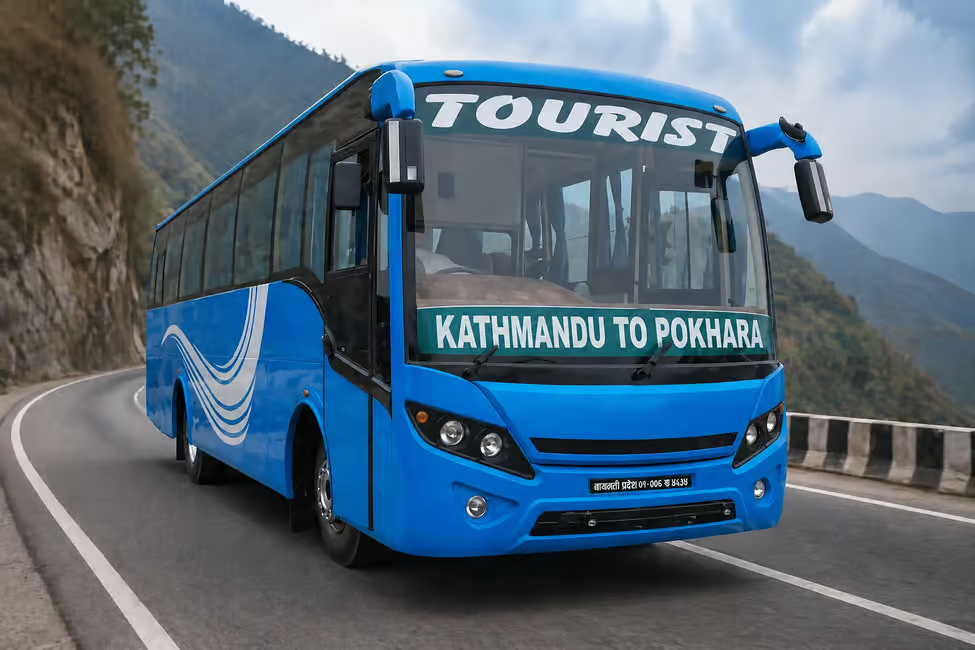
Drive to Pokhara by Tourist Bus
We leave Kathmandu on a tourist bus and follow the Prithvi Highway west, climbing through hills and river valleys most of the way. Pokhara sits on the edge of Phewa Lake with the Annapurna range behind it. Free evening to explore the lakeside before we head to Jomsom tomorrow.
Fly to Jomsom, trek to Kagbeni
A short flight takes us over the hills into Jomsom, right on the Kali Gandaki. From there we trek three hours up the river valley to Kagbeni, the last village before the restricted zone. Mud brick houses and apple orchards line the trail, with the Nilgiri peaks rising to the south.

Trek to Chele
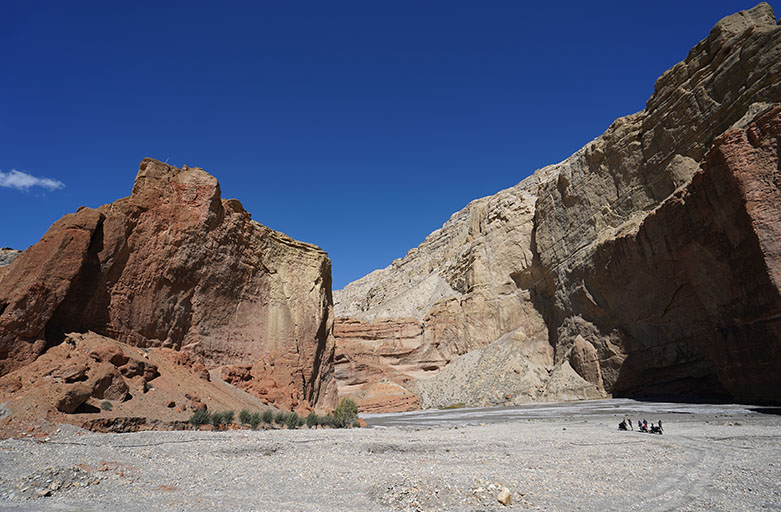
This is where the landscape changes fast. We climb out of Kagbeni into dry, wind carved hills, cross the Kali Gandaki, and pass through Tangbe’s narrow alleys before reaching Chele. Vegetation thins out here and the terrain turns to bare rock and cliffs.
Trek to Geling
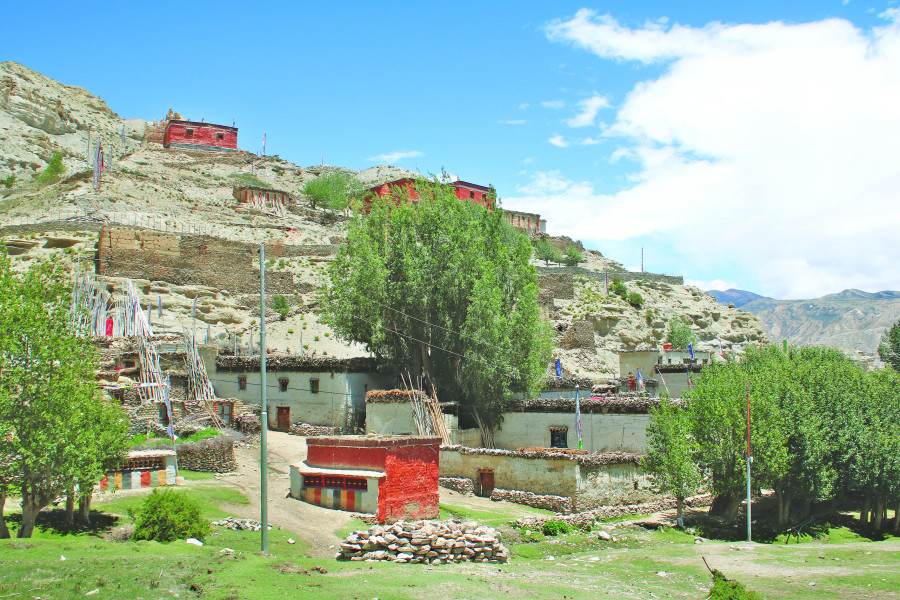
Today is long, climbing over exposed ridges and small passes with the wind picking up by midday. We pass through Samar and Syangboche before dropping to Geling, with the Himalayas visible in the distance most of the way.
Trek to Charang
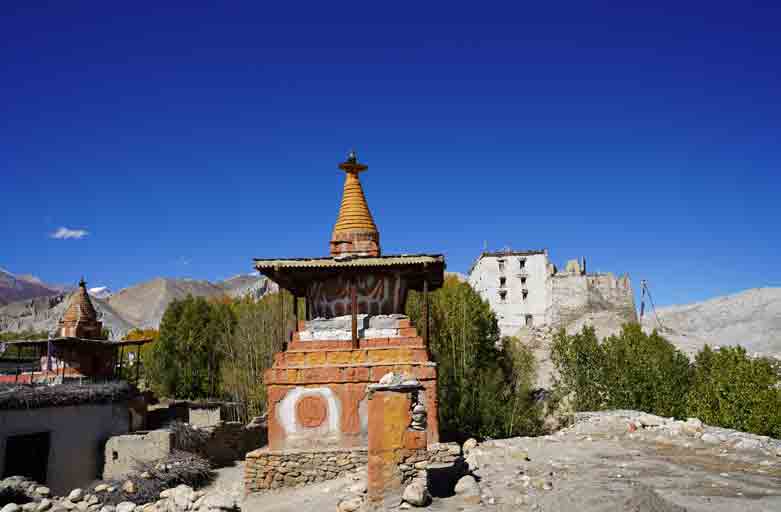
We climb over the Nyi La, at roughly 4,000m, and drop to Ghami, one of the larger villages in Upper Mustang, with its long mani wall. From there the trail crosses farmland of buckwheat and barley to Charang, where a centuries-old palace and monastery still stand above the village.
Trek to Lo Manthang
The trail climbs steadily over rocky terrain until the walled city comes into view. Lo Manthang was founded in 1380 and closed to foreigners until 1992. Inside the walls, narrow lanes lead past the royal palace, monasteries, and homes that have stood for centuries.
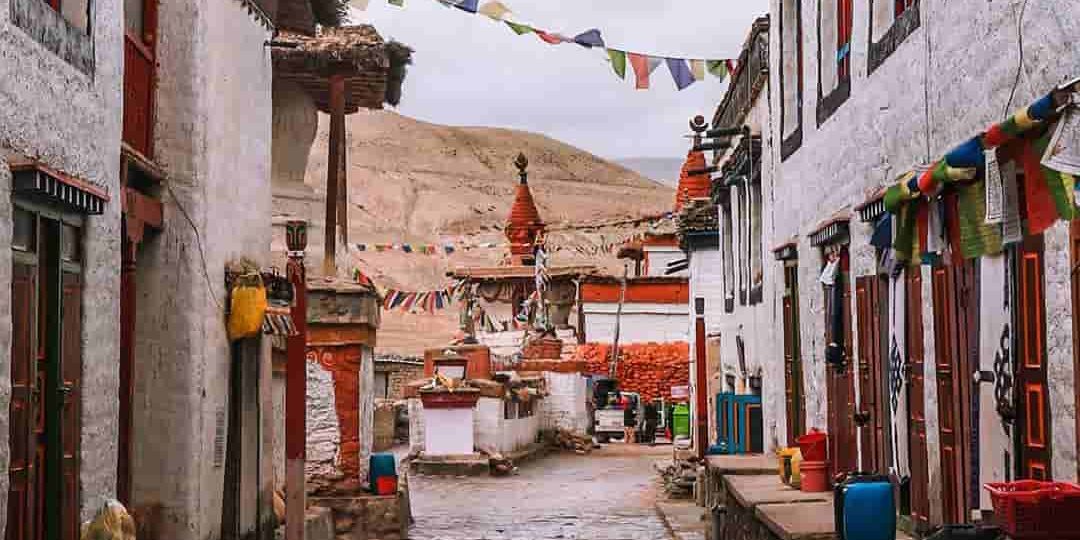
Explore Lo Manthang
A full day to explore beyond the walls. We visit Namgyal Gompa, a monastery on a hilltop west of the city, then continue to Tingkar to see ancient fortress ruins. We return to Lo Manthang by evening for a second night inside the walled city.
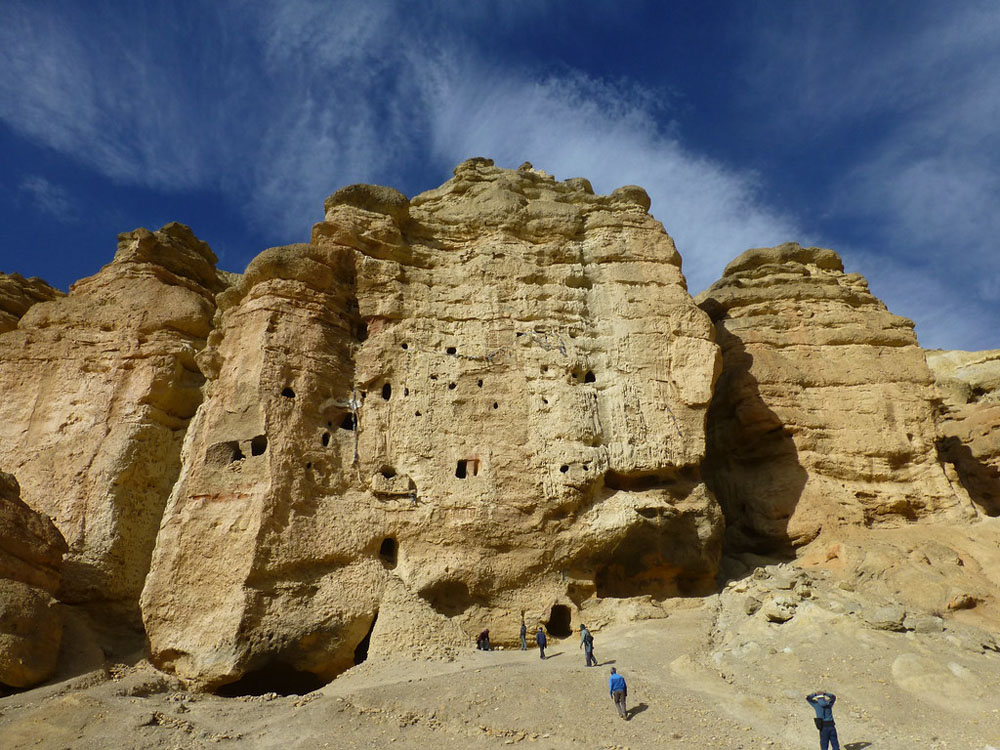
Trek to Dhakmar
We leave Lo Manthang on a quieter trail than the one we arrived on and climb to the Chogo La at about 4,280m, the highest point of the trek. On the way down we stop at Ghar Gompa, a monastery that tradition says was founded by Guru Padmasambhava in the 8th century. The day ends in Dhakmar, known for its red sandstone cliffs and cave dwellings.
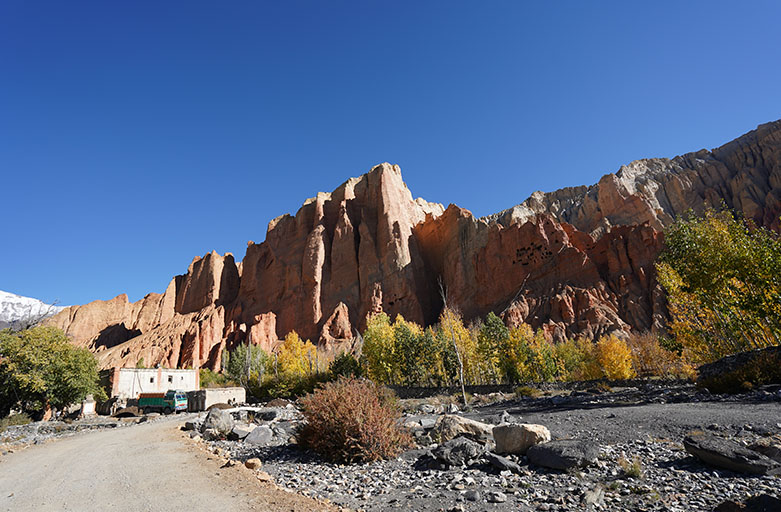
Trek to Syangboche
A mostly downhill day. From Dhakmar we walk back through Ghami’s fields and rejoin the main trail to Syangboche, with views back across the valley toward Lo Manthang.
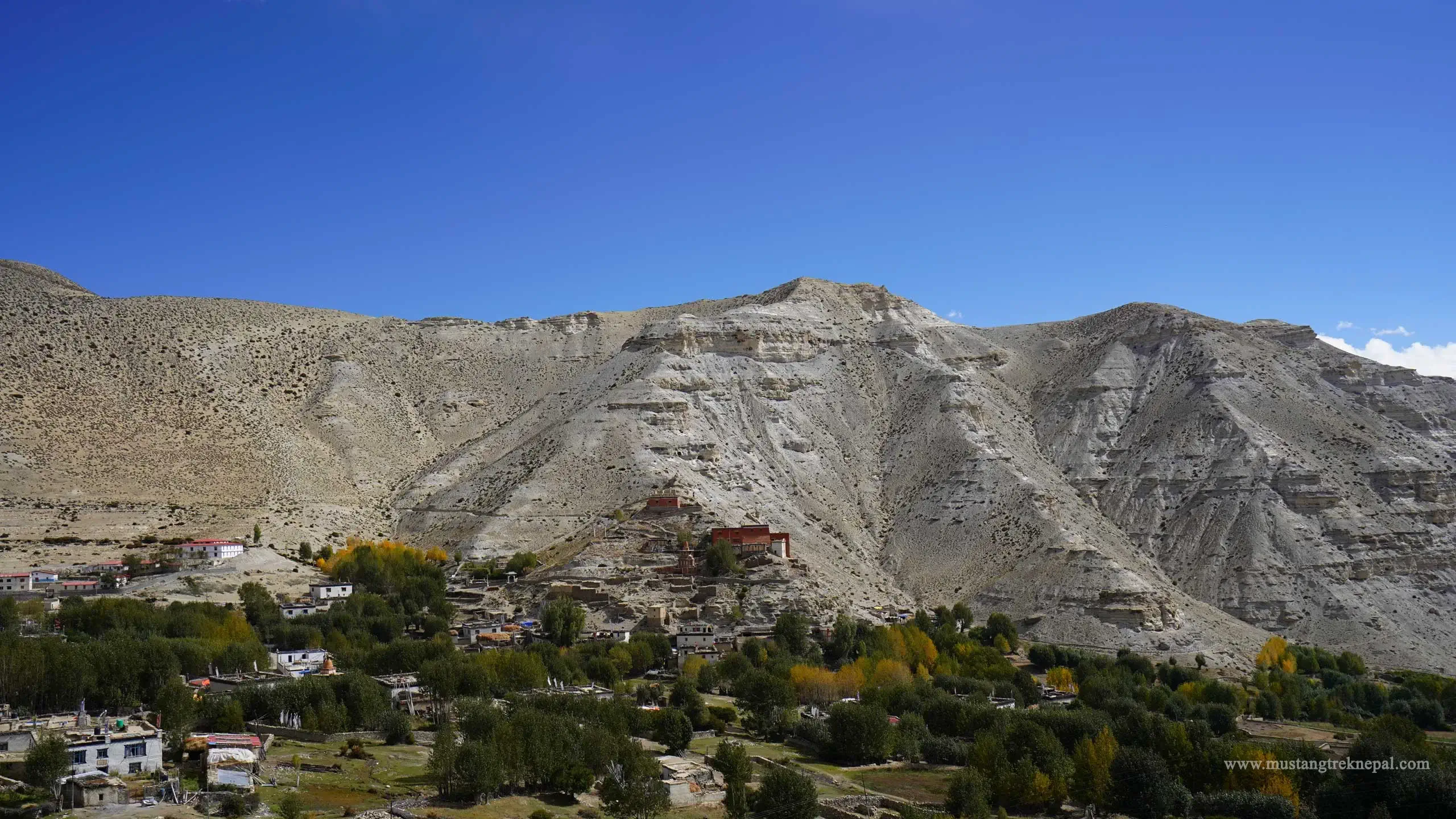
Trek to Tetang
The longest day on the return, dropping through Chhusang’s cliffs and cave dwellings before reaching Tetang. Elevation drops fast here, close to 1,000m of descent, so knees take the brunt of it.
Trek to Jomsom
The last trekking day, mostly downhill and along the river. The Himalayas fall further behind us as we walk, and the trail widens back into the more traveled part of the valley. We reach Jomsom by afternoon.

Fly to Pokhara
A short flight back over the hills to Pokhara. After twelve days on the trail, the lakeside city is a welcome change of pace. Evening free to rest, get a proper shower, or explore the restaurants around Phewa Lake.
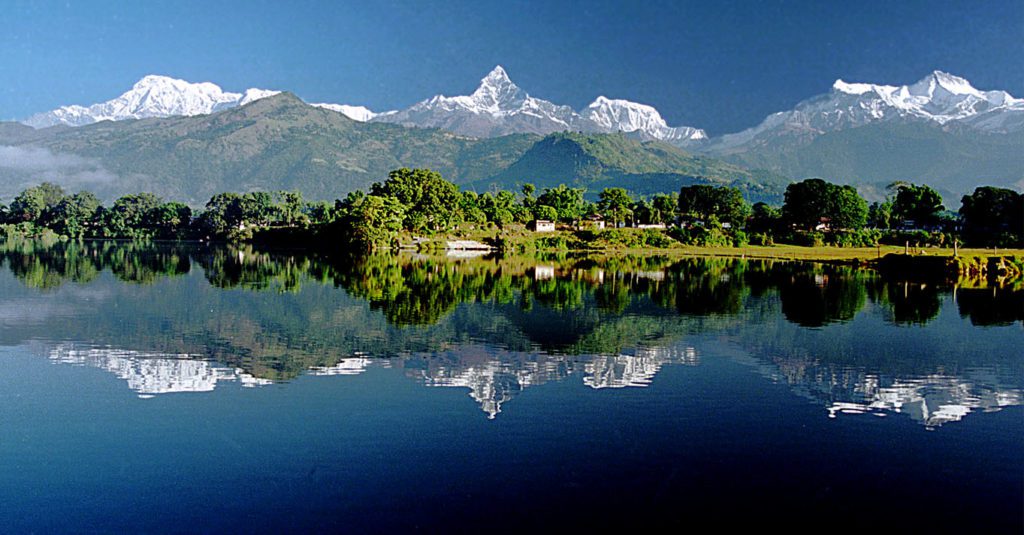
Free day in Pokhara
A day to rest or explore. Devi’s Falls, the World Peace Pagoda, and boating on Phewa Lake are all easy to reach from town. No fixed plan today, just recovery time before the drive back to Kathmandu.

Drive to Kathmandu by Tourist Bus
We retrace the Prithvi Highway back to Kathmandu. In the evening we host a farewell dinner to mark the end of the trek and share stories from the trail before everyone heads out tomorrow.

Final Departure
Depending on your flight time, there may be a few free hours for last minute shopping in Thamel. We transfer you to the airport in time for your departure. Thank you for trekking with us.
3D Route Map
Includes & Excludes
-
Airport transfers Arrival and departure in a private vehicle
-
Hotel in Kathmandu and Pokhara Twin-sharing, breakfast included, 4 nights total
-
Teahouse accommodation on trek Twin-sharing throughout, 10 nights
-
Licensed guide for the full trek NTB-certified and English speaking
-
Porter service 1 porter per 2 trekkers, 20kg load limit
-
Upper Mustang Restricted Area Permit $50 per person per day, counted from Kagbeni
-
ACAP permit Annapurna Conservation Area entry fee
-
TIMS card Trekkers Information Management System
-
Flights Pokhara to Jomsom and return Scenic 20-minute flight both ways
-
Tourist bus Kathmandu to Pokhara and return
-
Farewell dinner in Kathmandu Traditional Nepali meal on your final evening
-
MountainKick duffel bag Yours to keep
-
International flights To and from Kathmandu
-
Nepal visa fee 15 days $30 · 30 days $50 · on arrival at TIA
-
Travel insurance Must cover trekking and helicopter evacuation to the trek's maximum altitude, about 4,300m
-
All meals on trek Budget $30 to $50 per day at teahouses
-
Lunch and dinner in Kathmandu and Pokhara Except farewell dinner on Day 15
-
Guide and porter tips Customary and appreciated
-
Personal expenses Hot showers, wifi, charging and snacks
Enhance Your Trek
We Handle the Details — At No Extra Cost
Where You'll Sleep & What You'll Eat
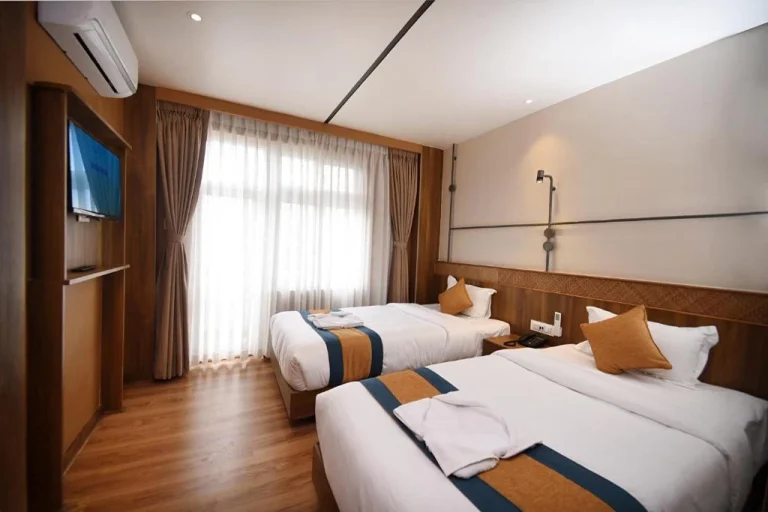
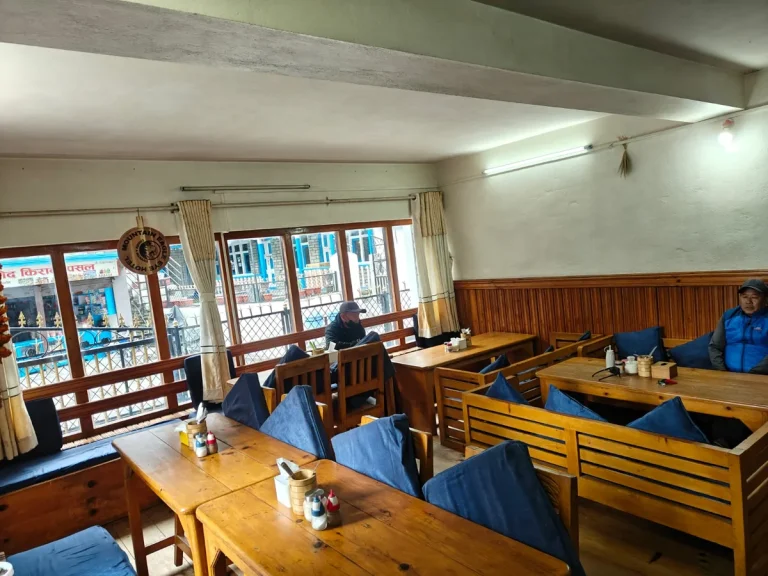
Twin-sharing rooms throughout. In Kathmandu you’ll stay at Hotel Vistara, or similar class, and in Pokhara at Mountain View Hotel, or similar class, both comfortable 3-star properties on city nights. On the trail, family-run Loba and Thakali teahouses, simple, warm, and well placed for each day’s walk.
- Kathmandu: Hotel Vistara or similar, private bathroom, hot shower, breakfast included
- Pokhara: Mountain View Hotel or similar, private bathroom, hot shower, breakfast included
- Trail: twin-sharing teahouse, shared facilities throughout
- Standards are good from Kagbeni to Lo Manthang, more basic on the return through Dhamkar and Syangboche
- Single supplement available on request
- Hotel upgrades in Kathmandu and Pokhara available on request
 A typical Dal Bhat set
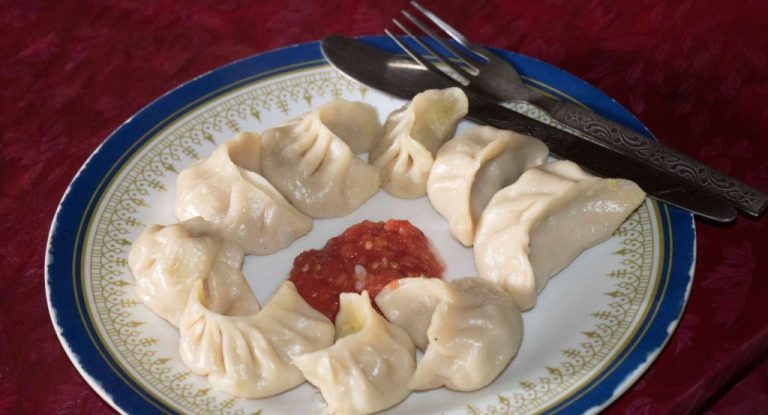
Meals on the trail are pay as you go. Teahouse menus cover dal bhat, noodle soups, momos, fried rice, eggs, and porridge, with Tibetan dishes like thukpa and tsampa appearing more often past Charang. Dal bhat is always the right call, cooked fresh and refillable at any altitude. Meat is not recommended past Lo Manthang, since everything arrives by mule and freshness cannot be guaranteed that far out. Prices climb the further north you go, since everything is carried in.
| Meals on trail | $30 to $50 / day |
| Hot shower | $4 to $6 |
| Charging per device | $3 to $5 |
| Wifi where available | $2 to $4 |
| Bottled water | $2 to $3 |
What Our Trekkers Say
“I’m already planning for the trip AGAIN and you would know which company I’d choose AGAIN…”
Finally, I had the opportunity to meander across the splendor of the Himalayas. My first concern after researching everything there was to know about Nepal was my safety and my child’s welfare. But upon our arrival at the airport, I found out that Kathmandu is one of the meanest places…
“MountainKick is haven for trekkers and one cannot afford to miss it if you are interested in trekking in Nepal.”
To whoever reading this and wondering about the legitimacy of this company, they are for real. The team is genuinely dedicated to making your trekking memorable and rewarding. Such is the professionalism of the company that they went steps further to assist us that included the tracking down of the…
“We liked the concern of this company for its staffs and the environmental awareness and it has.”
There was always a response from Jagat as we had so many things to ask. We had insisted on having a Nepali guide instead of a westerner because we had to make sure the money we spend actually goes to Nepali people. We chose this company because we had heard…
“We had the trip of our lifetime”
We had the trip of our lifetime thanks to the warm hospitality bestowed upon us and the beauty of such amazing country. From well-organized trips, exotic locations, cultural sightseeing to the thrill of safari, “soft” trekking to Poon Hill, everything was memorable. Our trekking guide was Shiva, apparently named after…
Frequently Asked Questions
Is Upper Mustang trekkable during monsoon (June-August)?
Yes. Upper Mustang sits in the rain shadow of the Annapurna and Dhaulagiri ranges, so it stays largely dry even when the rest of Nepal is under monsoon rain. It’s one of the few regions in the country where a monsoon trek makes sense.
Can I do this trek solo?
As of March 2026, Nepal removed the two-trekker minimum for restricted-area permits, so a solo traveler can now get the Upper Mustang permit alone. A licensed guide is still mandatory either way, that requirement hasn’t changed.
How fit do I need to be?
You don’t need technical climbing experience, but you do need to be comfortable walking 5 to 8 hours a day on consecutive days at altitude. Regular hiking or cardio training in the months before the trek makes a real difference, especially for the longer days around Geling and the Dhi Pass crossing.
What's the altitude sickness risk?
The trek’s high point is Dhi Pass at 4,100m, which carries a real but manageable risk of mild altitude symptoms. Our itinerary builds in gradual elevation gain and a full rest day at Lo Manthang, and guides are trained to recognize and respond to AMS symptoms early.
What is the Tiji Festival, and should I plan around it?
Tiji is a three-day Buddhist ceremony held in Lo Manthang, usually in May, marking the mythical defeat of a demon threatening the kingdom. Dates shift slightly year to year based on the lunar calendar, so we confirm exact dates before booking if you want your trek to coincide with it.
How is this different from the Annapurna Circuit or Everest Base Camp trek?
Upper Mustang is drier, more remote, and more focused on Tibetan Buddhist culture than mountain scenery. There’s no high pass crossing like Thorong La on the Annapurna Circuit, and no Everest views. What you get instead is walled cities, cave dwellings, and a landscape that looks more like the Tibetan plateau than Nepal.
Do I need travel insurance?
Yes, and it should cover emergency evacuation up to at least 4,500m given the trek’s high point. This isn’t included in the trip cost and is your responsibility to arrange before departure.
Departure Dates & Pricing
No upcoming fixed departures are scheduled at the moment. Contact us to arrange a private departure on dates that suit you.
-
1
20% Deposit — Due on booking Secures your place on the departure. Refundable within cancellation window.
-
2
80% Balance — Due on arrival Pay the remainder in Kathmandu before the trip begins. Bank transfer, card, or cash accepted.
-
3
Bhutan & Tibet — Full payment 20 days prior Full balance required at least 20 days before departure for Bhutan and Tibet tours.
| 30+ days before departure | Deposit forfeited, balance refunded in full |
| 15–29 days before departure | 50% of total trip cost charged |
| Under 15 days | No refund |
| MountainKick cancels trip | Full refund or reschedule |
Every MountainKick trip runs privately on dates that work for you. Same route, same guides, your schedule. Group pricing scales with traveller count.
| Travellers | Price Per Person (USD) |
|---|---|
| 1 | $1987 |
| 2-3 | $1697 |
| 4-7 | $1519 |
| 8-12 | $1480 |
Ready to go? Request your preferred dates or message us directly on WhatsApp — we'll confirm availability within a few hours.
We never force our customers to follow our set itinerary. You can customize your itinerary exactly the way you want. Please share with us your ideas.
"*" indicates required fields
Packing List
| Item | Qty | Note |
|---|---|---|
| Waterproof hiking boots, high-ankle | 1 pair | Well broken in before arrival. Ankle support matters on the loose, rocky trail past Chele. |
| Hiking socks, merino wool | 4 to 5 pairs | Never cotton. Merino handles the dust and temperature swings across long days. |
| Camp sandals or flip flops | 1 pair | For teahouse evenings, letting your feet breathe after a full day in boots. |
| Gaiters | 1 pair | Keeps grit and sand out of your boots. Wind kicks up loose dust constantly past Kagbeni. |
| Item | Qty | Note |
|---|---|---|
| Thermal base layer tops, merino or synthetic | 2 | Wear one, keep one dry. Never cotton at any altitude. |
| Thermal base layer bottoms | 1 to 2 | One for sleeping, one for trekking on the coldest mornings. |
| Fleece jacket or mid-layer | 1 | Primary warmth layer for evenings, especially at Lo Manthang. |
| Down jacket, 600 fill or higher | 1 | Essential from Kagbeni onward. Worn every evening above 3,000m. |
| Windproof jacket with hood | 1 | This matters more than rain gear here. Afternoon wind is the defining condition of this trek. |
| Windproof pants | 1 | Doubles as a warm layer at Dhi Pass and other exposed sections. |
| Trekking pants, quick-dry | 1 to 2 pairs | Quick-dry only. Jeans are never appropriate on this trail. |
| Lightweight t-shirts, moisture-wicking | 2 to 3 | For midday walking when the sun is direct and strong. |
| Sun hat, wide brim | 1 | UV exposure in this high desert is intense with almost no shade cover. |
| Item | Qty | Note |
|---|---|---|
| Warm beanie | 1 | For cold mornings and evenings, especially past Charang. |
| Liner gloves, touchscreen compatible | 1 pair | For phone and camera use without exposing bare hands to the wind. |
| Insulated gloves or mittens | 1 pair | Liner gloves alone aren't enough once the afternoon wind picks up. |
| Buff or neck gaiter | 2 | Your most used item on this trek. Doubles as dust mask, wind guard, and sun protection. |
| Item | Qty | Note |
|---|---|---|
| Daypack, 25 to 35L with rain cover | 1 | Rain cover doubles as a dust cover here, still worth having. |
| Sleeping bag rated to minus 15 degrees | 1 | Teahouses provide blankets, but nights below freezing are normal even in peak season. |
| Sleeping bag liner | 1 | Adds warmth and keeps rental bags cleaner throughout the trek. |
| Trekking poles, collapsible | 1 pair | Genuinely useful on the loose, rocky descents past Dhi Pass. |
| Headlamp with extra batteries | 1 | For early starts and unreliable teahouse power past Lo Manthang. |
| Polarized sunglasses, Cat 3 or 4 | 1 | UV intensity is severe here, reflected off pale rock and sand with almost no vegetation to soften it. |
| Water purification tablets or UV purifier | 1 | Boiled water is available for a fee at most stops. |
| Dry bags | 2 | One for electronics, one for documents inside your duffel. Dust gets everywhere here, not just moisture. |
| Power bank, 10,000mAh minimum | 1 | Charging costs $3 to $5 per device at teahouses. |
| Universal plug adapter | 1 | Nepal uses 230V, Type C/D/M outlets. Bring one before you arrive. |
| Item | Qty | Note |
|---|---|---|
| Personal first aid kit | 1 | Include blister treatment, pain relief, and any personal medication. |
| Water bottle, 1L wide-mouth | 1 to 2 | Handles boiled water from teahouses. |
| Electrolyte powder sachets | 10 to 15 | The dry air here dehydrates faster than trekkers expect. |
| High protein snacks | As needed | Menus get simpler and more repetitive the further north you go. |
| Sunscreen SPF 50 | 1 | Reapply constantly. Desert exposure at this altitude burns fast, even on cool days. |
| Lip balm with SPF | 1 | Lips and skin crack quickly in the dry wind. Bring more than you think you need. |
| Item | Qty | Note |
|---|---|---|
| Quick-dry microfiber towel | 1 | Teahouses do not provide towels. |
| Hand sanitizer | 2 small | Use before every meal and after shared facilities. |
| Biodegradable wet wipes | 2 packs | Your main cleaning method past Lo Manthang, where showers get unreliable. |
| Toilet paper | 2 to 3 rolls | Teahouses can run out. Carry your own and pack out used paper. |
| Toothbrush and toothpaste | 1 | Travel size. |
| Item | Qty | Note |
|---|---|---|
| Passport, valid 6 months minimum | 1 | Keep a photocopy stored separately from the original. |
| Passport photos | 2 extras 2 extras2 extras | Required for the Restricted Area Permit application. |
| Travel insurance document | 1 | Must cover helicopter evacuation to 4,500m. Print a hard copy and carry it on trail. |
| Cash, Nepali rupees and USD | As needed | Budget $30 to $50 per day for meals plus a buffer for showers, wifi, and charging. |
| Trek permit copies | 1 set | We handle the Restricted Area Permit and ACAP. Carry your copies at all times, checkpoints exist along this route. |
| Item | Note |
|---|---|
| Heavier insulated gloves | Standard insulated gloves aren't enough once temperatures drop toward minus 20. |
| Extra thermal base layer | A third set for the coldest nights, winter here is genuinely severe, not just chilly. |
| Balaclava | Full face protection against wind chill, essential at Dhi Pass in winter. |
| Hand warmers | Single-use packets for early starts and cold evenings. |
| Down-filled sleeping bag, rated below minus 20 | Standard trek-grade bags aren't warm enough for winter nights in Upper Mustang. |
| Item | Note |
|---|---|
| Light rain shell | A backup layer for the rare shower, not the daily necessity it is elsewhere in Nepal. |
| Extra buffs or dust masks | Dust levels can be higher in the dry monsoon heat. |
Sleeping bags and down jackets can be rented in Kathmandu or Pokhara. Trekking poles are best purchased in Thamel or Pokhara Lakeside. We connect you with trusted shops at the pre-trip briefing. A MountainKick duffel bag is provided to every trekker as part of the package.
What Not to Bring
Upper Mustang Trek
Kumar and the team have guided this route for over a decade. Ask anything — gear, fitness, altitude, private groups — before you commit.

Tales from the Himalayas
Fresh stories and expert insights from our mountain adventures
Best Treks in Nepal for Beginners: How to Choose Your First Trek
You don't need experience to trek in Nepal, but you do need the right first trek. Here's how to choose one by fitness, altitude and time, with our real prices and routes.
Poon Hill vs Mardi Himal vs Annapurna Base Camp: Which Annapurna Trek Should You Choose?
Three of the most popular treks from Pokhara, but they ask very different things of you. Here's how Poon Hill, Mardi Himal and ABC compare on days, altitude, cost and views.

Annapurna Region, Everest Region, Essentials
Everest Base Camp vs Annapurna Base Camp: Which Trek Should You Choose?
Both take about two weeks, but they suit very different trekkers. Here's how to decide.