

Everest Foothills Trek
●●●●● 4.9 · 60+ TripAdvisor reviewsTrek to Tengboche Monastery through the heart of the Khumbu, with licensed guides who know every turn
Friends paying separately still get the group price.
On The Trail
What It Really Looks Like
Everest Foothills Trek: What to Expect
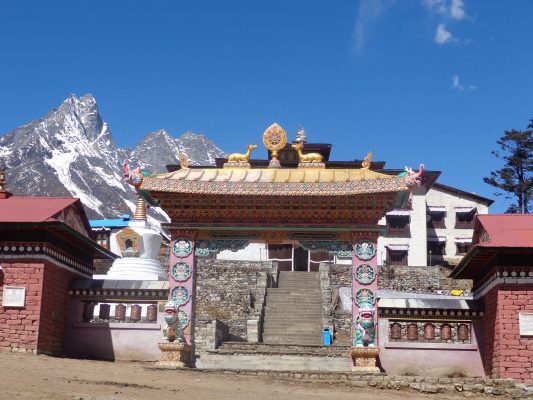
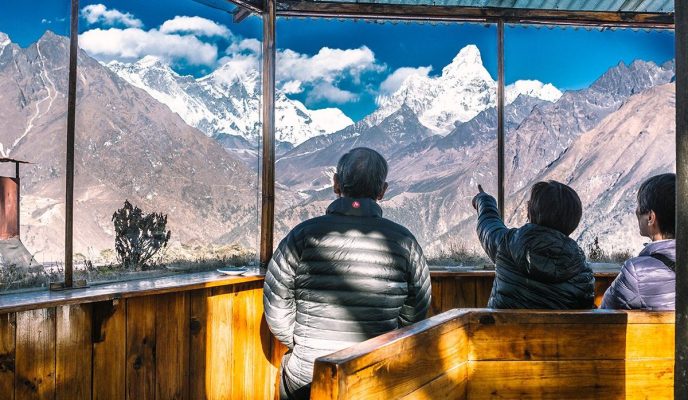
Everest, Lhotse and Ama Dablam from Tengboche, the Khumbu's best-known monastery
Our own licensed guides, not contractors hired for the week
Full Khumbu experience built into a schedule that actually fits
Sleep indoors every night, from Lukla up to Tengboche and back
The Everest Foothills Trek runs Lukla to Tengboche Monastery in 9 days. You walk through Sagarmatha National Park, spend three nights in Namche Bazaar, and top out at 3,860m with Everest, Lhotse, and Ama Dablam filling the skyline. Daily walking is 3 to 6 hours on established trails with no technical terrain.
This is the right route if you want genuine Khumbu immersion without the 14-day EBC commitment. The altitude stays below 4,000m, the acclimatisation day is built in, and the trail is well-serviced the whole way. If reaching Everest Base Camp itself is the goal, the EBC Trek is the one to book.
Every group is led by one of our own licensed guides. No outsourcing, no agency middlemen. Want to go higher? The 13-day Gokyo Valley Trek and the 14-day EBC Trek continue beyond Tengboche.
Day-by-Day Itinerary
Arrive in Kathmandu
A MountainKick representative meets you at Tribhuvan International Airport and transfers you to your hotel. The afternoon is free to rest. That evening we run a pre-trip briefing covering the route, gear, permits, and the Lukla flight logistics for the next morning.

Fly to Lukla, trek to Phakding
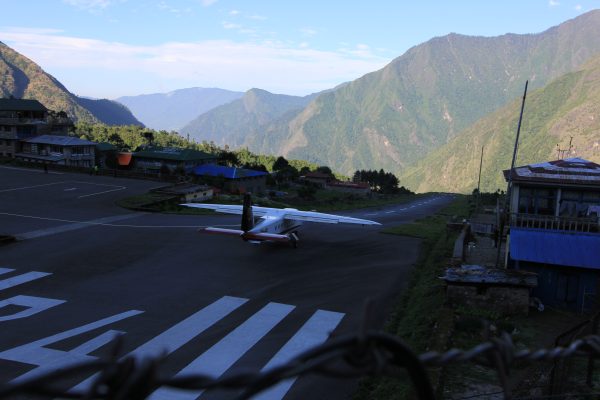
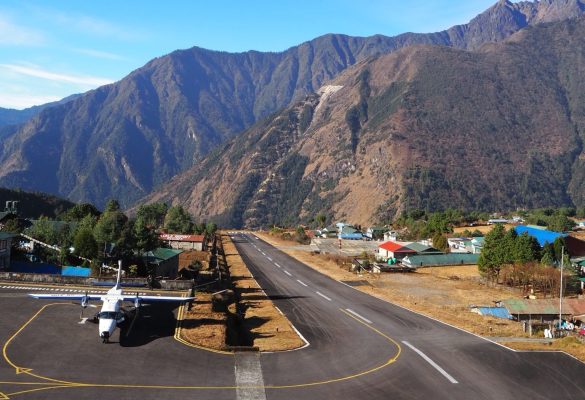
The 30-minute flight to Lukla is one of the memorable parts of this trip. From the airstrip the trail drops gently alongside the Dudh Koshi River through pine forest to Phakding. Easy first day by design — 3 to 4 hours, mostly downhill. Note: In peak season (March to May and September to November) flights usually leave from Ramechhap, which means a hotel pickup between 1am and 2:30am.

Trek to Namche Bazaar
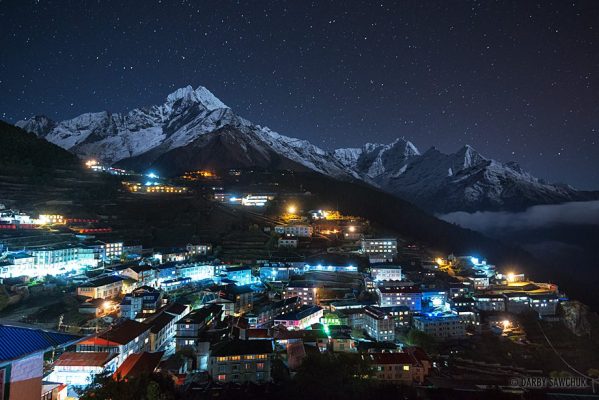
The trail follows the Dudh Koshi River, crossing several suspension bridges before entering Sagarmatha National Park at Monjo. The final two hours are a sustained climb into Namche — steep and worth it. On a clear day you’ll catch your first view of Everest above the ridge before you reach town.

Acclimatisation Day in Namche
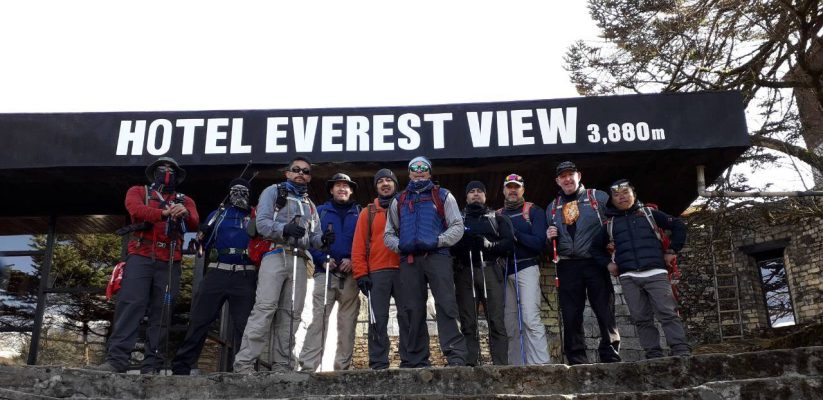
Rest day built for altitude adjustment. We hike up to the Everest View Hotel at 3,880m, clear sight lines to Everest, Lhotse, and Ama Dablam — then return to Namche to sleep lower. The rest of the day is yours: the Saturday market, Sherpa Culture Museum, or a teahouse with a view.

Trek to Tengboche
The trail climbs out of Namche through forest, drops to the Dudh Koshi River at Phunki Tenga, then ascends through rhododendron forest to Tengboche. Ama Dablam dominates the skyline most of the way up. Tengboche Monastery sits on a ridge with a full panorama of Everest, Nuptse, Lhotse, and Ama Dablam — the visual high point of this trek.

Return to Namche Bazaar
The return trail feels different heading downhill faster, and with a new perspective on the landscape you climbed through. Drop back through rhododendron forest, cross the river at Phunki Tenga, and make the short climb into Namche. Last chance for shopping or a proper sit-down meal.

Trek Back to Lukla
A long descent day back through Monjo and Phakding to Lukla. The trail is familiar by now and moves quickly. You’ll arrive in the late afternoon with time to settle in, sort your gear, and get an early night before the morning flight.

Fly Back to Kathmandu
Morning flight back to Kathmandu. Clear days give you a long view of the Himalayan range from the plane. Flights are weather-dependent — MountainKick handles any rebooking at no extra cost. Afternoon free for Kathmandu sightseeing or rest. We rebook your flight at no charge if weather holds it, but extra nights and meals are paid by you.

Final Departure
Transfer to Tribhuvan International Airport. Hotel checkout is at 12:00 PM. If your flight departs later, MountainKick can arrange luggage storage at the hotel.
3D Route Map
Includes & Excludes
-
Airport and hotel transfers by private vehicle Both directions, all internal road transport included
-
2 nights hotel in Kathmandu 3-star, twin-sharing, breakfast included
-
6 nights teahouse accommodation on trek Twin-sharing throughout
-
Kathmandu–Lukla–Kathmandu flights Return tickets, often via Ramechhap in peak season, with transfers included
-
Government-licensed guide Full time, from arrival to departure
-
Porter service One porter per two trekkers, 10kg per trekker (20kg per porter)
-
Sagarmatha National Park entry permit Arranged by MountainKick
-
Khumbu Pasang Lhamu Rural Municipality permit Local entrance fee, checked at Lukla
-
Oximeter and first aid kit Carried by your guide throughout the trek
-
Duffel bag Yours to keep
-
All government taxes and official charges Nothing hidden
-
All meals during the trek Teahouse meals are open menu. Budget $25 to $40 a day
-
Lunch and dinner in Kathmandu Wide range of restaurants available near your hotel
-
Travel insurance Compulsory. Must cover trekking to at least 4,000m and emergency helicopter evacuation
-
International flights to and from Kathmandu
-
Nepal visa fee On arrival at Tribhuvan Airport. 15 days $30, 30 days $50, 90 days $125
-
Personal trekking gear and equipment Can be bought or rented in Thamel before departure
-
Personal expenses Hot showers, WiFi, bottled water, alcohol, phone calls, laundry
-
Extra nights if flights are delayed Hotel and meals in Lukla or Kathmandu if weather holds your flight
-
Tips for guide and porter Customary but not mandatory, usually around 10 to 15% of the trip cost
-
Helicopter rescue Paid by your travel insurer, or by you if your policy doesn't cover it
Enhance Your Trek
We Handle the Details
FreeWhere You'll Sleep & What You'll Eat
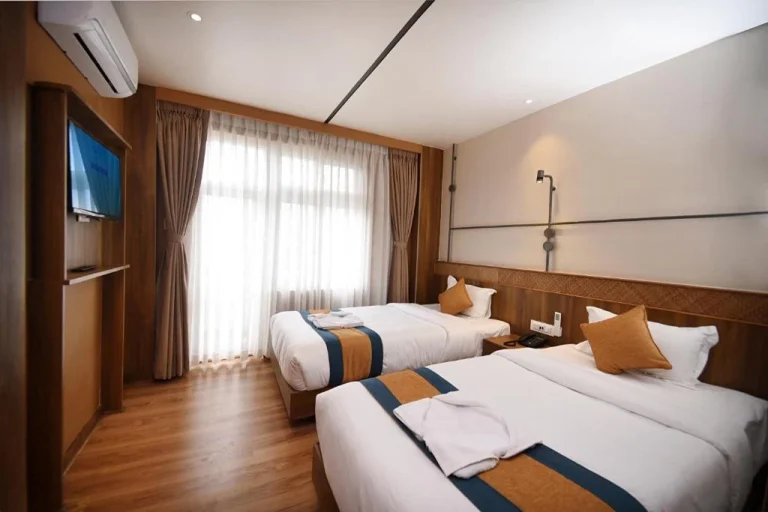
In Kathmandu you stay at a 3-star hotel in Thamel on a twin-sharing basis with breakfast included. Rooms are clean and comfortable with hot water and WiFi. Single supplement available on request. Upgrades to 4 or 5-star properties can be arranged.
On the trek you stay in teahouses every night. Rooms are simple — a bed, blankets, and a window. Shared bathrooms at most stops. Hot showers cost $2 to $5 extra. WiFi exists at Lukla and Namche but gets patchy and slower higher up. Facilities are best at Namche and Lukla, more basic at Tengboche. In peak season (October–November and March–May) book ahead — rooms fill fast, especially in Namche.

Breakfast included in Kathmandu only. All trek meals are on your own account, ordered from teahouse menus. Dal bhat is the best option at every stop — filling, cheap, and free refills. Avoid meat above Namche. Budget $25–40 per day.
| Breakfast | $5 to $8 |
| Lunch | $8 to $12 |
| Dinner | $8 to $12 |
| Hot shower | $2 to $5 |
| WiFi (where available) | $3 to $5 a day |
| Hot drinks | $1 to $3 each |
| Bottled water | $1 to $3, more higher up |
| Battery charging | $2 to $5 per device |
What Our Trekkers Say
“A wonderful introduction to the Himalayas”
We had a fantastic few days in the Everest region with Kumar, who made the whole trip feel easy and relaxed rather than rushed. The walk to Tengboche was beautiful, and the views of Ama Dablam from up there are hard to beat. A great option if you want a…
“Beautiful trek with a great guide”
Jiban was wonderful right from day one, friendly, patient, and always happy to point things out along the trail. Namche was a highlight, and the walk up to Tengboche gave us some incredible views. The length of the trek suited our holiday perfectly.
“Great short trek in the Everest region”
Rames looked after us really well the whole way through. We ended up enjoying the quieter trails, villages and mountain views even more than we'd expected going in. Tengboche was the clear highlight, with an amazing outlook over the surrounding peaks. MountainKick had everything running smoothly.
“An unforgettable few days in Nepal”
We wanted a taste of the Everest region without the time commitment of Base Camp, and this trek was exactly right. Sher was a fantastic guide who kept us comfortable throughout. The trail through the forests and villages was beautiful, and arriving at Tengboche surrounded by mountains is a moment…
Frequently Asked Questions
How long is the Everest Foothills Trek?
The trek is 9 days from Kathmandu to Kathmandu, with 6 days on the trail. You walk from Lukla to Namche, take an acclimatisation day, go up to Tengboche, then come back the same way. Most days are 3 to 6 hours of walking.
How difficult is the Everest Foothills Trek?
The trek is rated moderate. You walk 3 to 6 hours a day on well-used trails, with no technical sections. The hardest part is the Day 3 climb into Namche, which is about two hours of steady uphill. The highest point is 3,880m at the Everest View Hotel on Day 4, and you sleep no higher than Tengboche at 3,860m. If you can walk for a few hours with a small daypack, you can do this trek.
How does this compare to the full EBC Trek?
It follows the same trail from Lukla to Namche, but it turns around at Tengboche instead of carrying on to Base Camp. Tengboche (3,860m) is about 1,500m lower than Everest Base Camp (5,364m) and well below Kala Patthar (5,545m). It takes 9 days instead of 14, with shorter days and much less altitude stress. You still get big views of Everest, Lhotse and Ama Dablam. See the Everest Base Camp Trek.
Do I need to be fit?
You should be able to hike 4 to 6 hours carrying a small daypack. Six to eight weeks of basic cardio training before the trip helps — hiking, cycling, or stair climbing. You do not need to be an athlete, but the better your preparation, the more you will enjoy it.
What about altitude sickness?
This trek stays below 4,000m, well under the threshold where serious altitude sickness typically develops. Some people feel mild effects at Namche (3,440m) — headache, fatigue, poor sleep. The acclimatisation day on Day 4 is built in to give your body time to adjust. Drink 3 to 4 litres of water daily, avoid alcohol in the first few days at altitude, and tell your guide immediately if you feel unwell. For a full breakdown read our guide to altitude sickness on Nepal treks.
What about the Lukla flights?
Your return Lukla flights are included. In peak season (March to May and September to November), most flights leave from Ramechhap’s Manthali Airport, about 4 to 5 hours’ drive from Kathmandu. That means a hotel pickup between 1am and 2:30am. Off-peak, flights usually leave directly from Kathmandu and take about 30 minutes.
Lukla flights depend on the weather, and delays happen. We rebook your flight at no charge, but extra nights and meals are paid by you. Keep at least one spare day before your international flight home. See our Ramechhap flight guide.
What permits do I need?
You need the Sagarmatha National Park Entry Permit and the Khumbu Pasang Lhamu Rural Municipality Entry Permit. We also arrange a TIMS card. All of these are included and arranged by us. We just need your passport details and two passport-sized photos.
Can I join a group if I’m travelling alone?
Yes. Our group departures run on set dates with up to 8 trekkers, and every date runs even if you’re the only one booked. Group dates are $1,020 per person. If you’d rather go on your own dates, a private solo trip is $1,260.
Is this trek good for families?
Yes, for families with older children or fit teenagers. The days are short and the altitude stays below 4,000m. But altitude sickness can still affect children, and the Lukla flights and the climb to Namche are part of the trip. Ask us about your children’s ages and we can suggest whether this or a lower trek near Pokhara would suit them better.
What should I budget for personal expenses on trek?
Budget $25 to $40 a day for three meals. Hot showers are $2 to $5, wifi about $3 to $5 a day where available, and charging $2 to $5 per device. The last reliable ATM is in Namche Bazaar, and teahouses don’t take cards. For 6 days on the trail, carry around $200 to $300 in Nepali rupees, in small notes.
What visa do I need for Nepal?
Tourist visa on arrival at Tribhuvan International Airport. Bring USD cash, two passport photos, and a passport valid for at least 6 months. Current fees: 15-day $30, 30-day $50, 90-day $125. Online application also available via Nepal’s Department of Immigration.
When is the best time to do this trek?
Spring (March to May) and autumn (September to December). October and November give the most stable weather and clearest skies. March and April are warmer with rhododendrons in bloom. Avoid monsoon (June to August) trails are muddy, views are rare, and Lukla flights get delayed regularly.
Can I extend this trek to Everest Base Camp?
Yes. The most popular extension continues from Tengboche up through Dingboche, Lobuche, and Gorakshep to Everest Base Camp and Kala Patthar, adding 5 days. That becomes the Everest Base Camp Trek. Let us know before you book and we can adjust the itinerary.
Departure Dates & Pricing
Your dates, your group, your way
Same route and guides, just your group. Tell us when you'd like to go and how many of you there are, and we'll send you a day by day plan with a price.
- Nothing to pay now
- Plan and price by email
- Confirm with a 20% deposit
"*" indicates required fields
Rather chat? Message us on WhatsApp
-
1
20% deposit: due on booking Secures your place on the departure. The deposit is non-refundable. We also need a copy of your passport.
-
2
80% balance: due on arrival Pay the rest in Kathmandu before the trip starts. Bank transfer, cash, or card (4% card fee).
| Cancel before you arrive | Deposit not refunded, nothing more to pay |
| Cancel after the pre-trip meeting | No refund |
| Date or name change | USD 200 per person |
| MountainKick cancels trip | Full refund or reschedule |
Weather delays and extra days cost extra, so travel insurance is required. We give you documents for any claim.
Read the full terms and conditionsPacking List
Footwear
ⓘ Break boots in before you arrive. Blisters on Day 3 will ruin the rest of the trek.
Clothing
ⓘ Layers are everything. You will be hot on the climb and cold at rest stops.
Head and Hands
ⓘ Sun is intense at altitude. UV protection matters as much as warmth.
Bags and Carry
ⓘ MountainKick provides a duffel bag. Bring your own daypack for what you carry on trail.
Sleep and Comfort
ⓘ Teahouses provide blankets but quality varies. A sleeping bag liner adds warmth and hygiene.
Health and Safety
ⓘ Your guide carries a full first aid kit. This is your personal kit for day-to-day needs.
Electronics and Documents
ⓘ Power banks are your best friend. Charging at teahouses costs $2–5 and is not always available.
Leave at home
-
Jeans and cotton clothing Cotton holds moisture, dries slowly, and gets dangerously cold at altitude
-
Heavy camera equipment Extra weight adds up fast over 18km descent days
-
Large suitcase No storage at teahouses, leave it with us in Kathmandu
-
Excessive toiletries Water is scarce at higher elevations, keep it minimal
-
Valuables and jewellery No need on trail, security at teahouses is basic
-
Hair dryer or electric styling tools Power is limited and expensive above Namche
Sleeping bags and down jackets can be rented in Thamel, and we'll point you to shops we trust. We lend you trekking poles for free. A duffel bag is provided to every trekker as part of the package.
Everest Foothills Trek
Talk to Kumar and the team before you commit. Ask about gear, fitness, altitude or a private group.


Tales from the Himalayas
 Travel
Best Time to Trek Langtang Valley: Month by Month
Langtang is close to Kathmandu and good for much of the year, but the season changes everything from the views…
 Annapurna Region
Thorong La Pass: A Guide to the Big Day on the Annapurna Circuit
Thorong La at 5,416m is the highest point of the Annapurna Circuit. Here’s what crossing day is really like, from…
 Everest Region
Annapurna Circuit Teahouses: What the Rooms Are Really Like
Teahouses on the Annapurna Circuit range from comfortable lodges in Manang to bare rooms at Thorong Phedi. Here’s what to…