

Mera Peak Climbing
●●●●● 4.9 · 60+ TripAdvisor reviewsWalk into the quiet Hinku Valley and climb Nepal's highest trekking peak, with Everest and four other 8,000m giants in view from the top.
Friends paying separately still get the group price.
On The Trail
What It Really Looks Like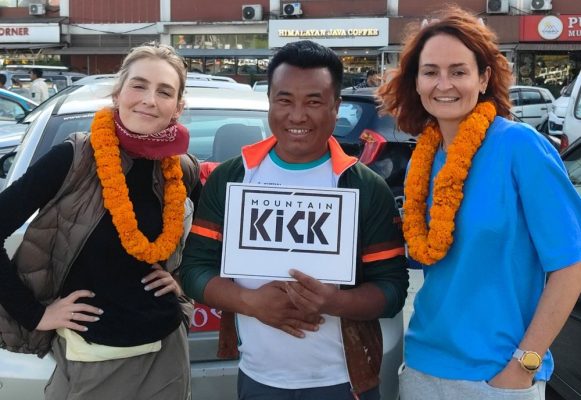
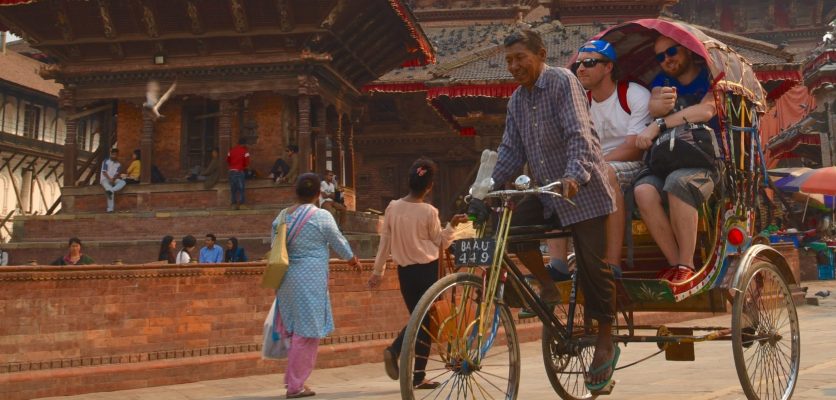
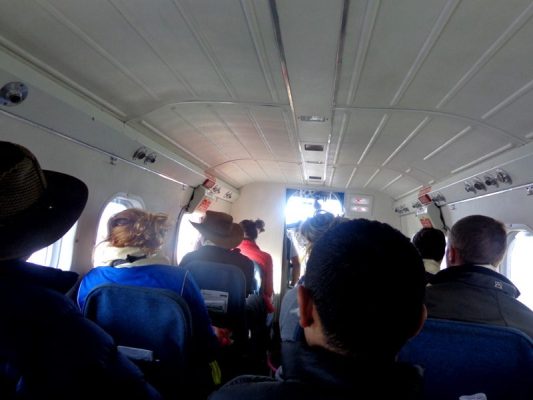
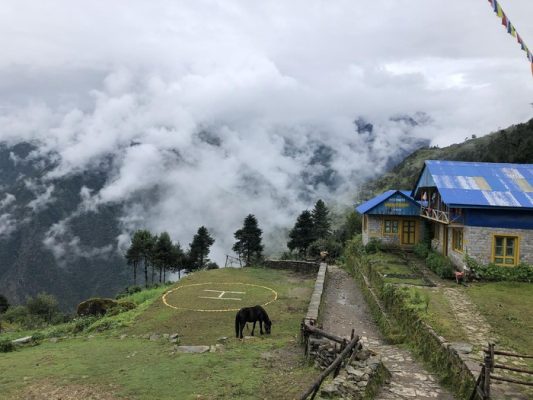
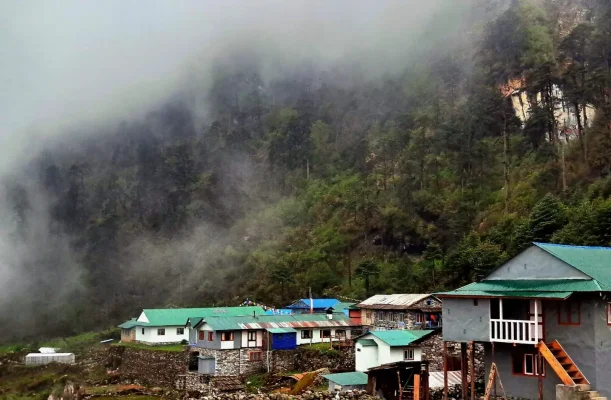
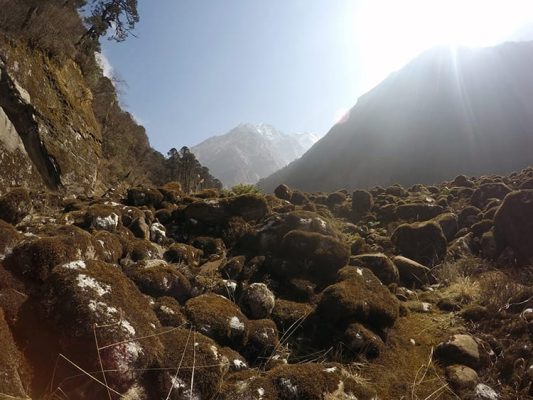
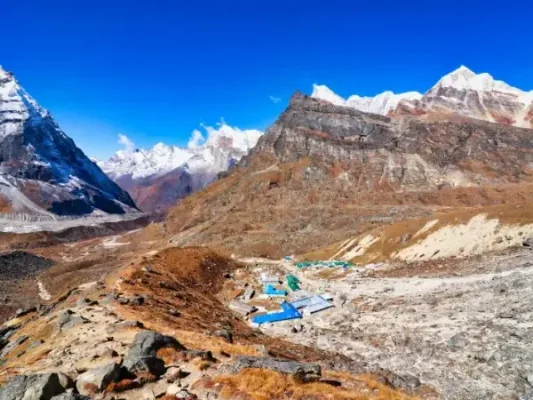
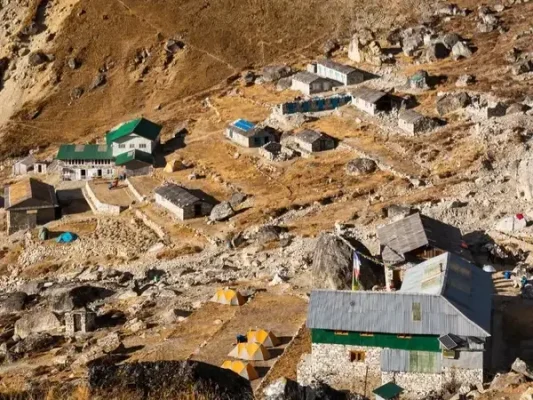
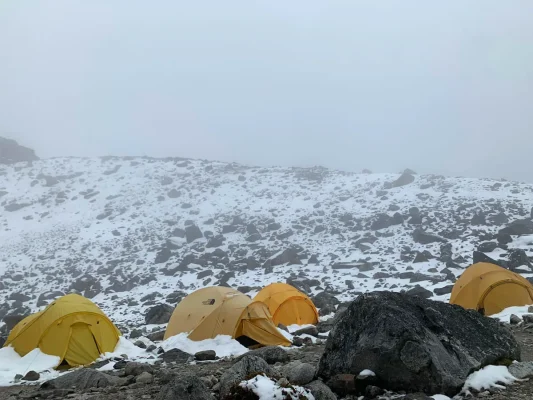
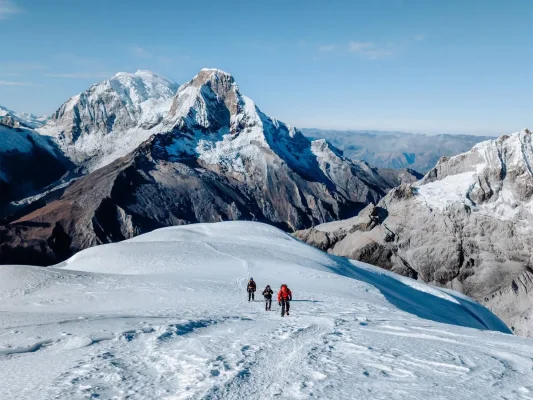
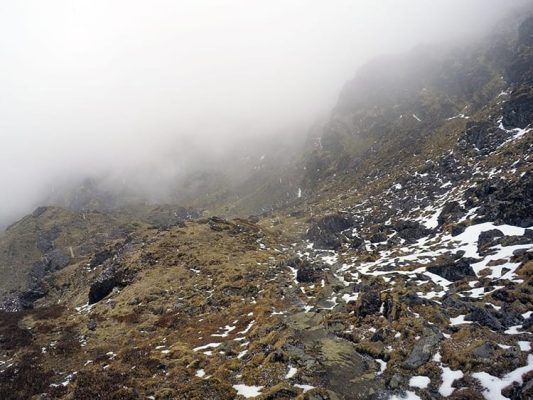
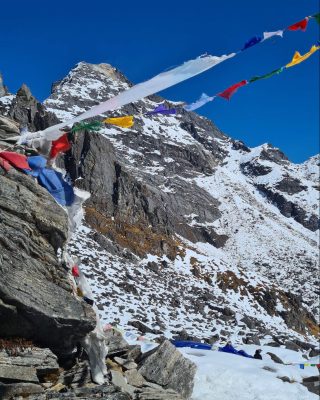
Mera Peak Climbing: What to Expect
You train at Khare and climb summit day with your own guide, never in a big rope team
Your guide teaches crampons, ice axe and rope work on real snow before summit day
A reserve day at Khare gives you a second chance if wind or snow closes the first window
Three meals a day on the trek and in camp, so you only budget for snacks and drinks
Mera Peak climbing is often the first real Himalayan summit for people who have already trekked to around 5,000m and want to go higher. At 6,476m it is the highest trekking peak in Nepal, and the climb itself is not very technical. Most of it is a steady walk up a glacier in crampons, with a short steep section near the top where your guide may fix a rope.
What makes it hard is the altitude and the long days. Summit day usually starts around 2am from High Camp and takes 10 to 12 hours there and back to Khare. On a clear morning you can see Everest, Lhotse, Cho Oyu, Makalu and Kangchenjunga from the top.
We walk in on the quieter southern route through Paiya and Pangkongma, then follow the Hinku Valley north to Khare. This route is slower than going straight over the Zatrwa La, but it gives your body time to adjust before you go above 4,000m. We rest at Thangnak and Khare, then climb to High Camp the day before the summit. On the way out we cross the Zatrwa La to Lukla.
You sleep in teahouses most nights and in a tent for one night at High Camp. All meals on the trek are included. You don’t need climbing experience, but you should be fit and comfortable walking 6 to 7 hours a day. Your guide will teach you the crampon, ice axe and rope skills you need at Khare.
Day-by-Day Itinerary
Arrive in Kathmandu
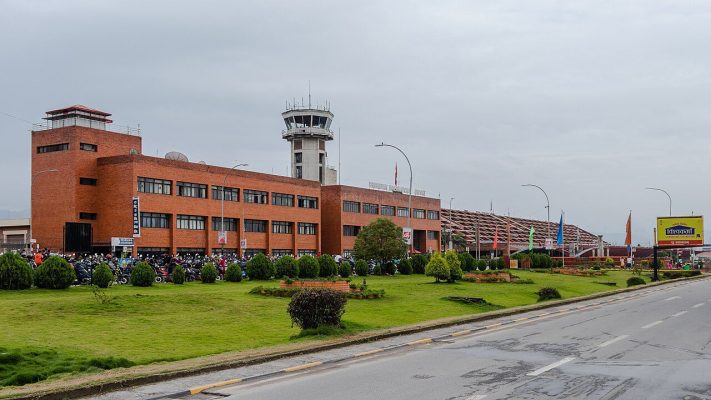
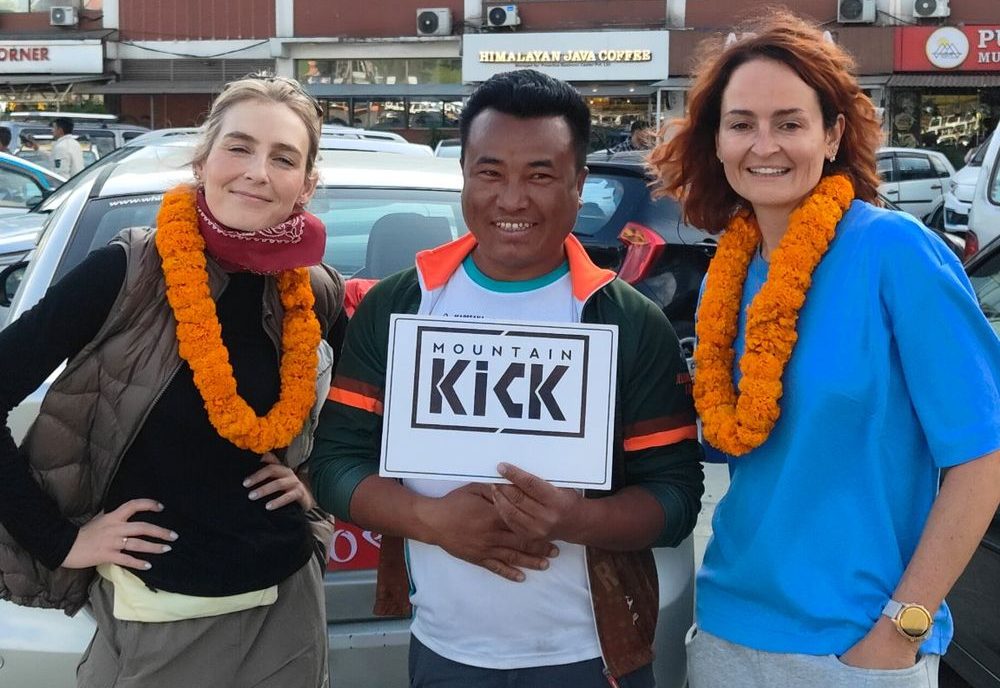
Our team meets you at Tribhuvan Airport and drives you to your hotel in Thamel. The rest of the day is free to rest after the flight. In the evening we hold a short briefing to go over the plan, check your documents and answer your questions about the trek and the climb.
Gear Check and Trek Preparation
Today is for getting ready. Your guide checks your clothing, sleeping bag and daypack, and helps you rent anything missing from shops we trust in Thamel. Your climbing gear is waiting at Khare, so you don’t need to carry it from here. We finalise your permits and you pack one duffel for the porters. Get an early night, as tomorrow starts very early.
Fly to Lukla and Trek to Paiya
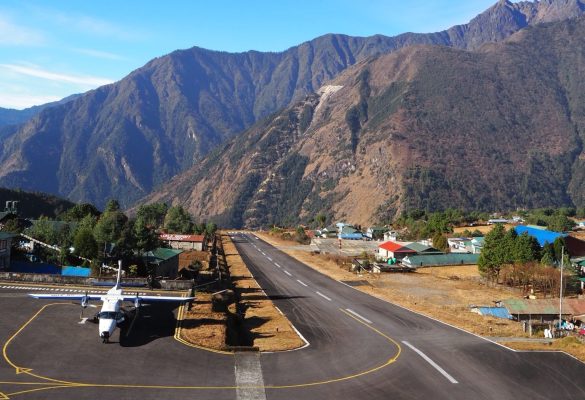
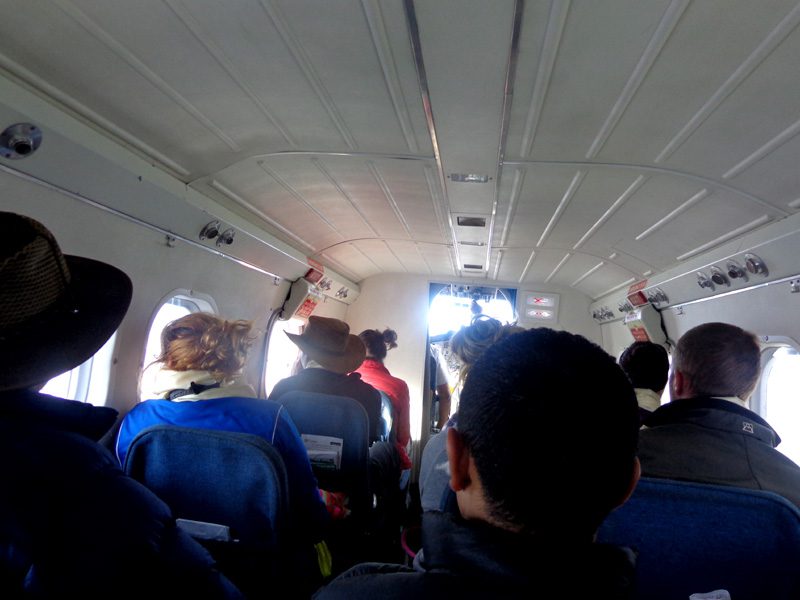
We leave Kathmandu around 2am for the 4 to 5 hour drive to Ramechhap, then take the short flight to Lukla. From Lukla the trail heads south, away from the main Everest route. It drops through forest to the Surke Khola, then climbs steadily to Paiya. Outside peak season the flight may leave from Kathmandu instead.
Trek from Paiya to Pangkongma
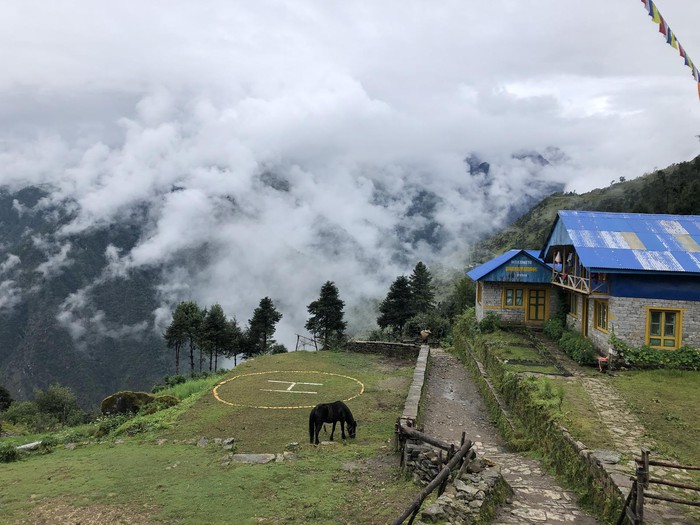
The trail drops to a small bridge, then climbs through rhododendron and bamboo forest to the Kari La at about 3,080m. On a clear day you can see back to Numbur and Karyolung. From the pass it is an easy walk down to Pangkongma, a Sherpa and Rai farming village with a small monastery and a few lodges.
Cross the Pangkongma La to Nashing Dingma
A short climb takes you to the Pangkongma La at 3,174m and your first view of Mera Peak. From the pass the trail drops steeply into the Hinku Valley. We cross the Hinku Khola on a suspension bridge, then climb for about two hours up the other side to Nashing Dingma, a small village with simple lodges.
Trek from Nashing Dingma to Chhatra Khola
This is a long day through thick rhododendron and bamboo forest on the west side of the Hinku Valley. There are no villages along the way, only the odd herders’ shelter, so we carry lunch. The trail tops out at about 3,350m before dropping to Chhatra Khola, a few simple lodges beside a stream.
Trek from Chhatra Khola to Kothe
The trail drops down to the Hinku Khola and follows the river north. The forest thins as you go, and Mera Peak comes into view at the head of the valley. Kothe is a small group of lodges on the riverbank, used by herders in summer and climbers in season. This is the last tree line stop before the high valley.
Trek from Kothe to Thangnak
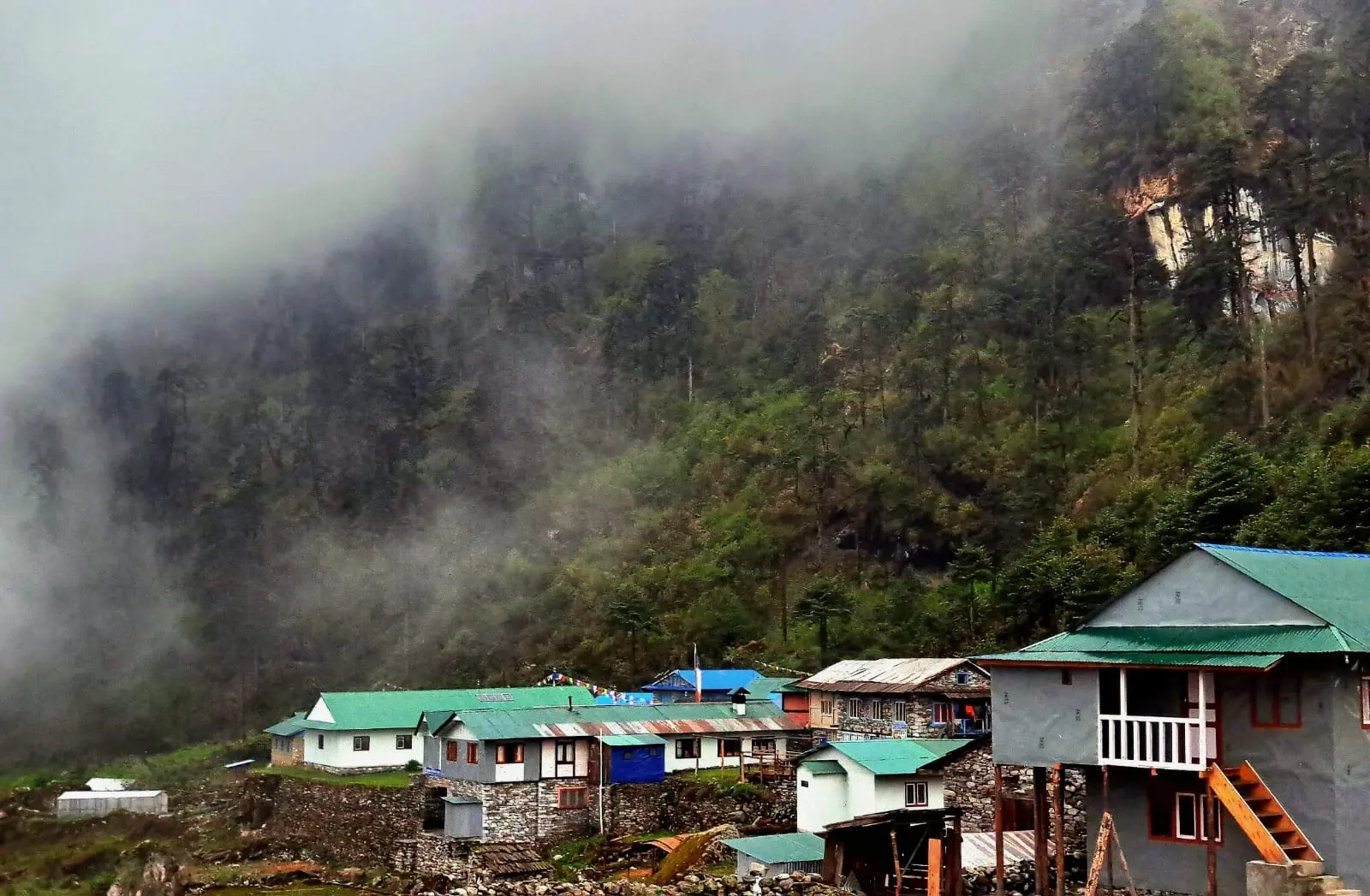
We follow the Hinku Khola up the valley floor, passing Lungsumgba Gompa, a small old monastery tucked under a rock wall. The trees disappear and the valley opens up below Kusum Kanguru and Mera’s north face. Thangnak is a summer grazing spot with a handful of lodges. Walk slowly today, as this is a big jump in altitude.
Acclimatisation Day at Thangnak
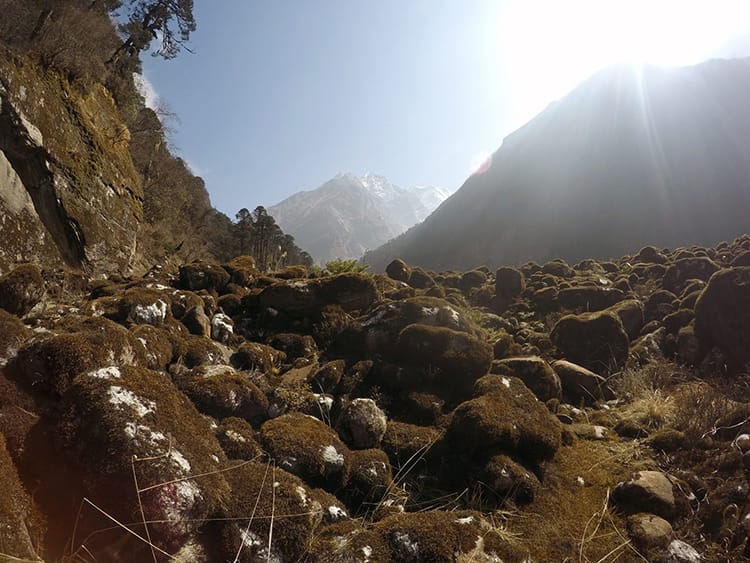
A rest day to let your body catch up. In the morning we hike up the ridge above Thangnak to about 4,900m, looking down on the Sabai Tsho glacier lake below Kyashar. Then we come back down to sleep. The rest of the day is free to rest, eat well and drink plenty of water before the move to Khare.
Trek from Thangnak to Khare
The trail follows the moraine of the Dig Glacier past the open pastures of Dig Kharka. The last section up to Khare is short but steep. Khare is a cluster of lodges right below Mera’s north face, and you can see the glacier route to the Mera La from here. Arrive early and rest for the afternoon.
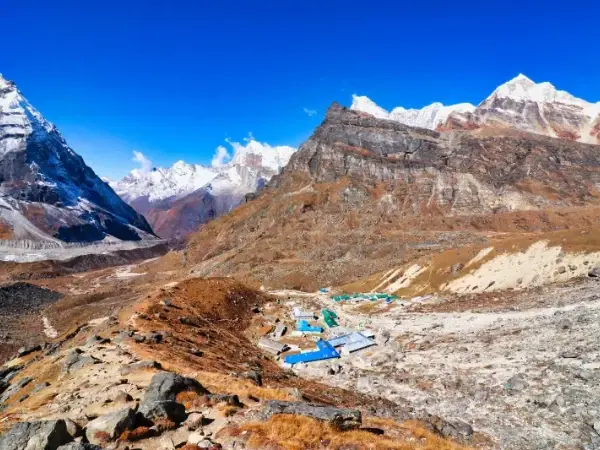
Rest and Climbing Training at Khare
Today your climbing gear is fitted at Khare: mountaineering boots, crampons, harness, ice axe and helmet. Then your climbing guide spends the morning on the snow slopes above the village, teaching you to walk in crampons, use an ice axe and clip onto a fixed rope. The afternoon is for rest before the climb to High Camp.
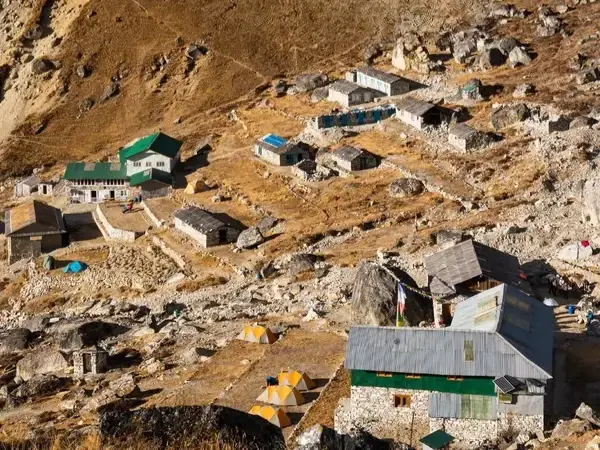
Khare to High Camp
We climb slowly up the glacier to High Camp, a rocky ledge on the mountain at about 5,780m. It is a short day, but at this height every step counts. The views from camp take in Everest, Lhotse, Makalu, Chamlang and Baruntse. We have an early dinner, prepare gear for the morning and try to sleep before a 2am start.
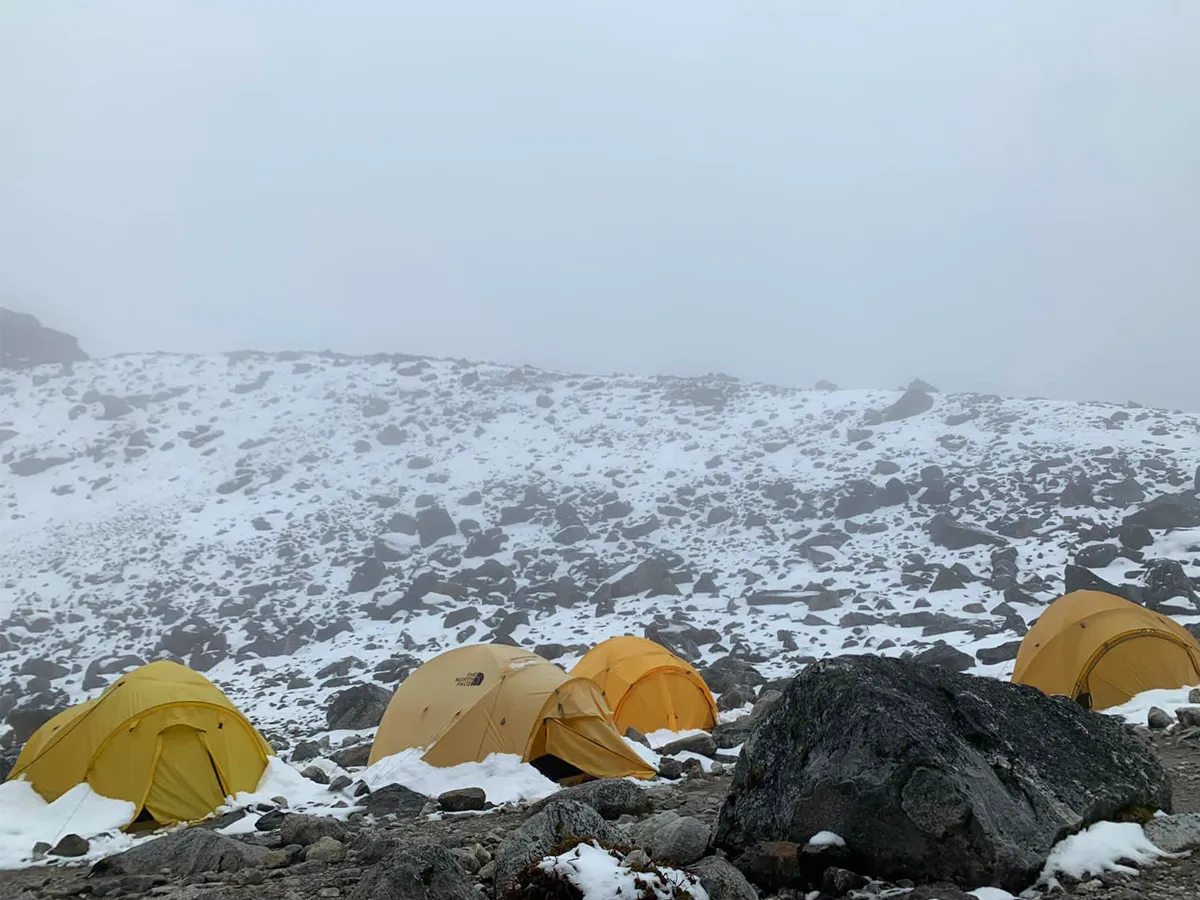
Summit Mera Peak and Descend to Khare
We leave High Camp around 2am, climbing slowly by headtorch, with one climbing guide for every two climbers. The glacier is steady but long. Near the top a short, steep snow slope leads to the summit, and your guide fixes a rope here if needed. At sunrise you can see Everest, Lhotse, Cho Oyu, Makalu and Kangchenjunga. Then we descend all the way to Khare.
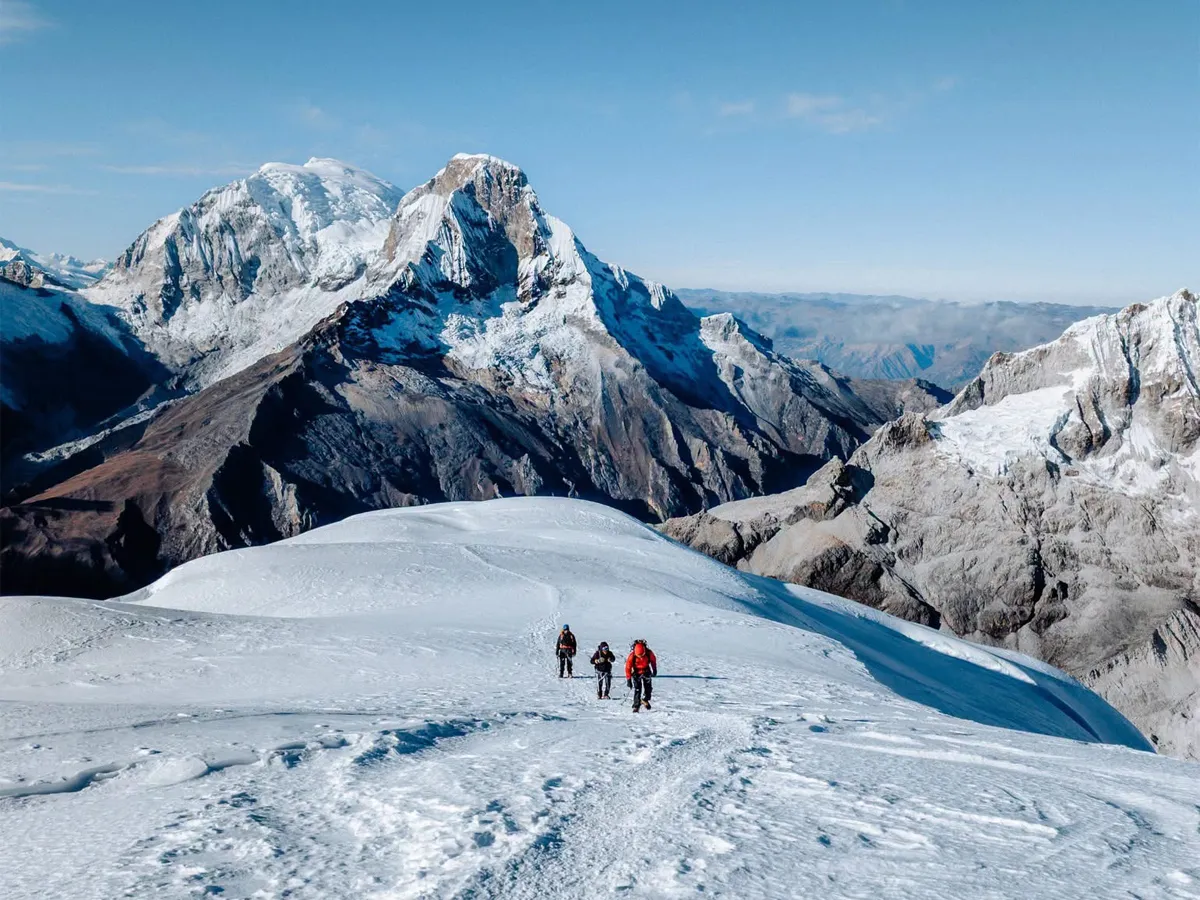
Spare Day at Khare
This day is kept free in case wind, snow or illness delays the summit. If the climb goes to plan, we start walking out early. That gives you an extra day in Kathmandu, which also helps if the Lukla flight is delayed by weather.
Trek from Khare to Kothe
We walk back down the Hinku Valley the way we came, passing Thangnak and Lungsumgba Gompa. The day is mostly downhill and easy on the lungs, but long on the knees, so use your poles. By the time you reach Kothe the air feels thick again and most people sleep much better.
Trek from Kothe to Thuli Kharka
We leave the Hinku Valley on a new trail, climbing west through rhododendron and juniper forest. The path goes up and down along the ridge before reaching the open pastures of Thuli Kharka. There are simple lodges here and good views back to Mera. Tomorrow we cross the last pass.
Cross the Zatrwa La to Lukla
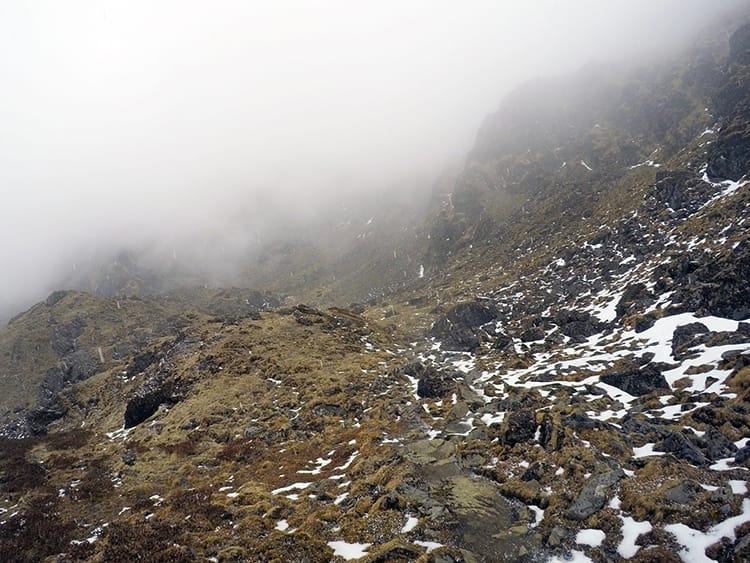
A short climb takes you to the Zatrwa La at about 4,610m, the last pass of the trip. From the top you can see across the Dudh Koshi Valley to Numbur and Karyolung. Then the trail drops steeply past Chutanga and through forest to Lukla. There may be snow on the pass early in the season. We celebrate with the crew tonight.
Fly Back to Kathmandu
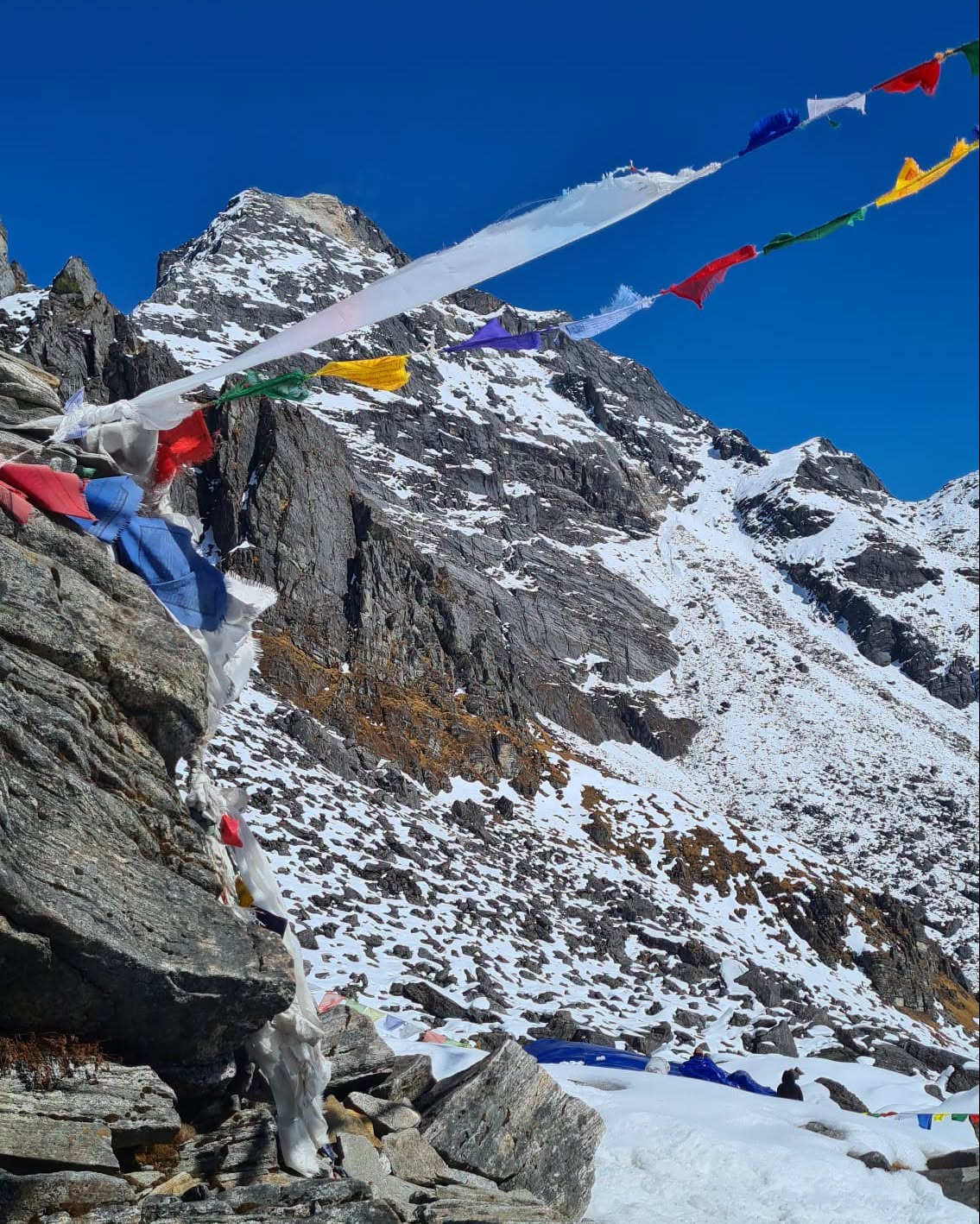
We take an early flight out of Lukla to Ramechhap, then drive 4 to 5 hours back to Kathmandu. Outside peak season the flight may go straight to Kathmandu. The afternoon is free to rest or shop in Thamel. In the evening we have a farewell dinner together.
Final Departure
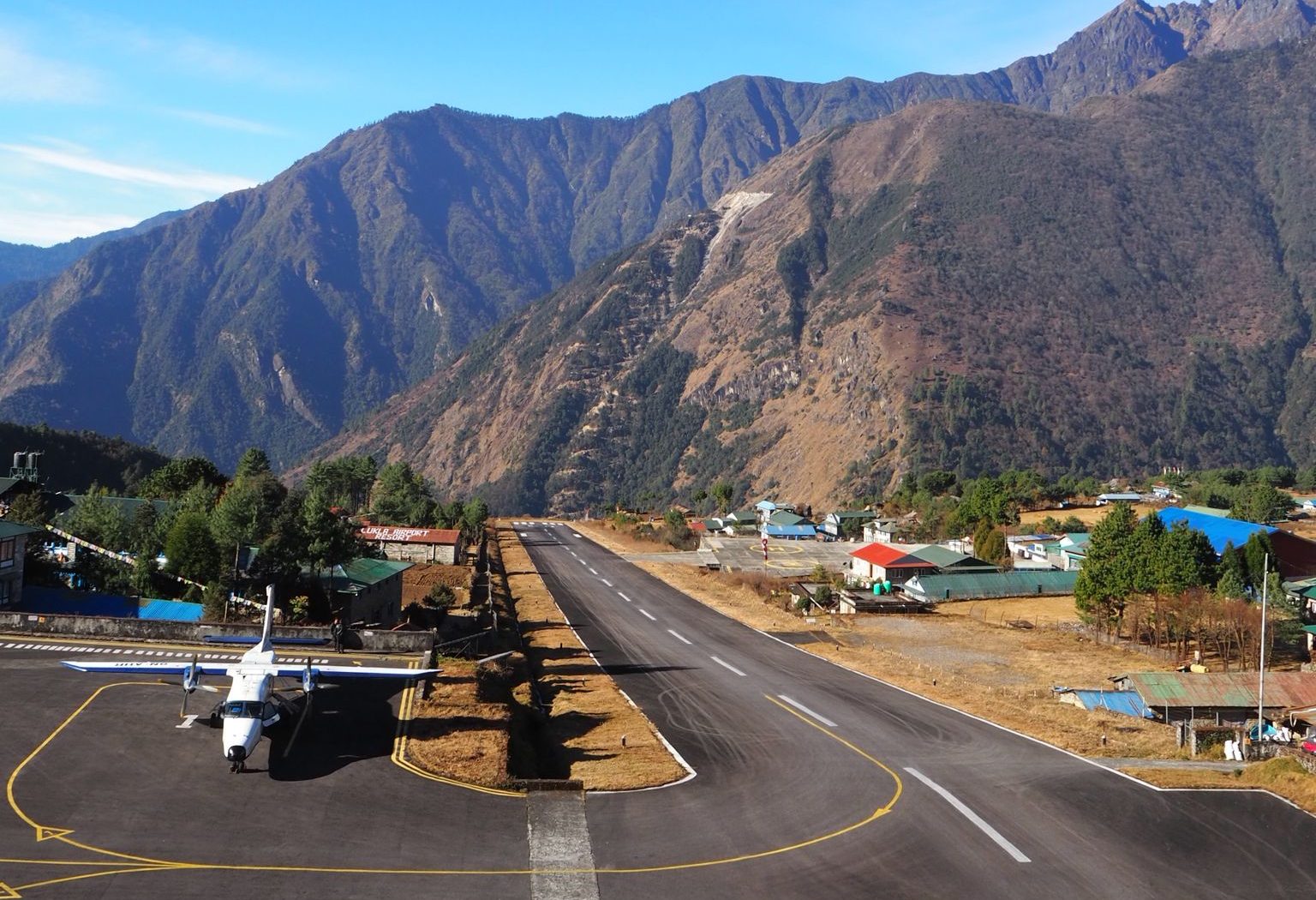
After breakfast you have free time until your flight. Our team picks you up from the hotel and drives you to Tribhuvan International Airport about three hours before your departure. We hope to see you back in the mountains soon.

3D Route Map
Includes & Excludes
-
Airport pickup and drop-off Private vehicle on arrival and departure days
-
3 nights hotel in Kathmandu Twin share with breakfast, on Days 1, 2 and 18
-
Lukla flights both ways Including the drive to and from Ramechhap in peak season
-
All meals on the trek and climb Breakfast, lunch and dinner from Day 3 to Day 17
-
Teahouse rooms on the trek Twin share, single rooms on request for extra
-
Tents and camp crew on the mountain One night on the mountain with a cook and hot meals
-
Our own licensed guide Leads the whole trek and handles all logistics. Groups of 5 or more also get an assistant guide.
-
Climbing guide for the summit One climbing guide for every two climbers. They join at Khare for training and lead you to the top.
-
Porters One porter for every two climbers, with wages, food and insurance covered
-
All permits Makalu Barun National Park, Khumbu Pasang Lhamu, the Mera Peak climbing permit and the garbage deposit
-
Group climbing gear Fixed ropes, snow bars and other team safety gear
-
All climbing gear Climbing boots, crampons, harness, ice axe, helmet, ascender, descender and carabiners, fitted at Khare on the training day
-
Duffel bag and trekking poles Duffel to keep, poles lent for the trip
-
First aid kit and pulse oximeter Your guide checks your oxygen levels every day on the trail
-
Farewell dinner In Kathmandu on Day 18
-
International flights and Nepal visa Visa on arrival costs USD 30 to 125 depending on length of stay
-
Travel insurance Must cover climbing to 6,500m and helicopter evacuation
-
Clothing and sleeping bag Down jacket and a -20°C sleeping bag can be rented in Kathmandu for about USD 1 a day each
-
Lunch and dinner in Kathmandu Except the farewell dinner
-
Drinks and snacks on the trail Including bottled drinks, hot showers, wifi and phone charging
-
Tips for guides and porters Not required, but most climbers tip at the end of the trip
-
Extra costs from delays Extra nights and meals if weather or flights hold you up
-
Helicopter rescue Paid by your insurer or by you directly to the helicopter company
Stay & Eat
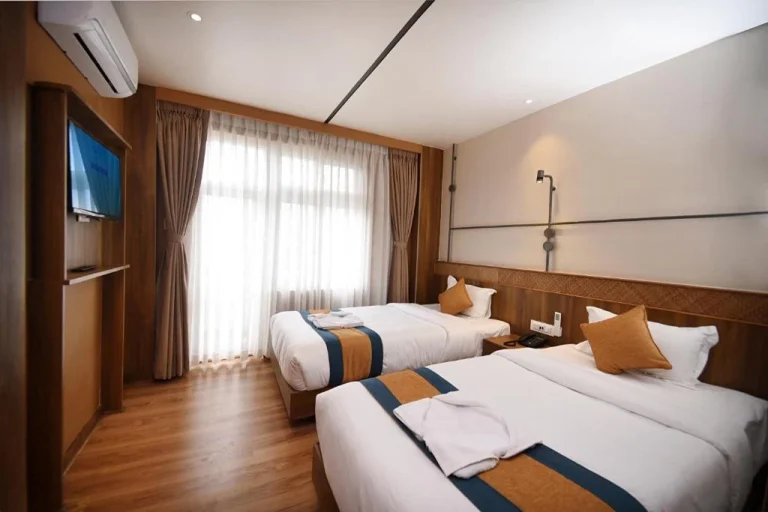
In Kathmandu you stay in a comfortable hotel in Thamel, twin share with breakfast. On the trek you sleep in simple teahouses run by local families. Rooms are basic, with two beds, a foam mattress and a blanket, and a shared toilet down the hall. Lodges get simpler as you go higher, and at Khare rooms are small and cold. The night before the summit you sleep in a tent at High Camp, put up by our crew.
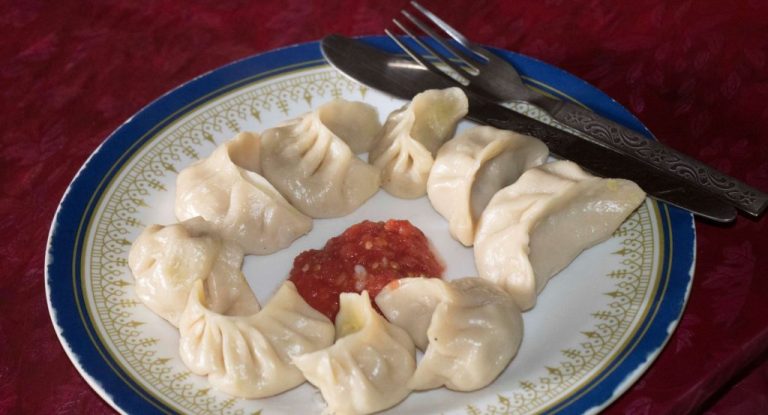
All meals on the trek and climb are included. Teahouses serve dal bhat, noodles, pasta, potatoes, eggs and soups, and our team takes your order and serves it so meals run on time. On the mountain our cook prepares hot meals and drinks in camp. In Kathmandu breakfast is included, and the farewell dinner is on us. Bottled drinks, snacks and treats on the trail are extra, so bring some cash.
| Drinking water | USD 3-6 a day |
| Phone and battery charging | USD 2-5 per charge |
| Hot shower | USD 3-7 per shower |
What Our Trekkers Say
“An incredible Mera Peak adventure”
Mera Peak was one of the hardest things we've done, but also one of the most rewarding. The trek through the remote valleys was beautiful and the mountain itself was incredible. Our climbing guide was experienced and patient, especially during the summit push, reaching the top and seeing the Himalayas…
“A proper Himalayan climbing experience”
I'd done some trekking before, but Mera Peak was my first Himalayan climb, and it was excellent from start to finish. The route was remote, the scenery incredible, and the climbing section gave us a real sense of adventure without feeling reckless. The MountainKick team were professional, friendly, and well…
Plan Your Private Trip
Private trip price per person
| Group size | Per person |
|---|---|
| 1 person | $3,040 |
| 2-3 people | $2,540 |
| 4-7 people | $2,430 |
| 8+ people | $2,310 |
Friends paying separately still get the group price. Confirm with a 20% deposit.
Send us your dates
We'll reply with a plan and exact price, usually within a few hours.
-
1
20% deposit: due on booking Secures your place. The deposit is non-refundable. We also need a copy of your passport.
-
2
80% balance: due on arrival Pay the rest in Kathmandu before the trip starts. Bank transfer, cash, or card (4% card fee).
| Cancel before arrival | Lose deposit only |
| Cancel after pre-trip meeting | No refund |
| Date or name change | USD 200 per person |
| We cancel the trip | Full refund or new date |
Travel insurance is required. Weather delays and extra days cost extra, and we give you documents for any claim.
Full terms and conditionsEnhance Your Trek
We Handle the Details
FreeFrequently Asked Questions
How difficult is the Mera Peak climb?
Mera is a non-technical climb, but it is still a serious one because of the altitude. Most of the route is a steady walk up a glacier in crampons, roped to your guide. Near the top there is a short steep snow slope where a fixed rope may be used. The hard part is summit day, which usually takes 10 to 12 hours above 5,800m in the cold.
Do I need climbing experience?
No. You need to be fit and comfortable walking 6 to 7 hours a day for several days in a row. Trekking above 4,000m before, for example to Everest Base Camp or on the Annapurna Circuit, helps a lot. Your guide teaches you crampon, ice axe and rope skills on the training day at Khare, and on summit day there is one climbing guide for every two climbers.
How should I train for Mera Peak?
Start about three to four months before the trip. Do long hill walks with a loaded daypack once a week, building up to 6 to 8 hours. Add two or three sessions of running, cycling or stair climbing each week, plus leg and core strength work. Practise walking downhill too, as the walk out is long and steep in places
Is climbing gear included?
Yes. We include climbing boots, crampons, harness, ice axe, helmet, ascender and carabiners, plus all group gear like fixed ropes. The gear is kept at Khare and fitted on the training day, so you don’t carry it up the valley. If you have your own boots that you trust, you are welcome to bring them. You only need to sort out your own clothing and sleeping bag.
What permits do I need?
You need a Makalu Barun National Park permit, the Khumbu Pasang Lhamu local permit and a Mera Peak climbing permit from the Nepal Mountaineering Association. The climbing permit costs USD 350 in spring and USD 175 in autumn, winter and summer. All permits and the garbage deposit are included in your trip price, and we arrange them for you
What if bad weather stops the summit attempt?
We keep a spare day at Khare for this. If wind or snow closes the first window, we try again the next day. Your guide decides on the day based on the weather and how the group is doing. Safety always comes before the summit, and there are no refunds if weather stops the climb
What happens if I get altitude sickness?
Your guide checks your oxygen level and pulse every day with a pulse oximeter. If you feel unwell, you rest or go down with an assistant guide or porter while the group carries on. Most people recover and rejoin. If symptoms get worse, our Kathmandu office arranges a helicopter, paid for by your insurance
What travel insurance do I need?
Your insurance must cover climbing to at least 6,500m and helicopter evacuation. Many standard policies stop at 4,000m or 6,000m, so check the altitude limit before you buy. Cover for trip cancellation and delays is also a good idea. We give you the documents you need for any claim
How do Lukla flights work?
In spring and autumn, flights to Lukla leave from Ramechhap, about 4 to 5 hours’ drive from Kathmandu, so Day 3 starts around 2am. In other months flights may go from Kathmandu. Lukla flights depend on clear weather and delays are common. The baggage limit is about 10kg for your duffel and 5kg for your daypack
When is the best time to climb Mera Peak?
The best months are April and May in spring, and October and November in autumn. Skies are clearer and the weather is more settled. March and early December are possible but colder at High Camp. We don’t run Mera in the monsoon from June to August
Can I join if I am travelling solo?
Yes. You can book a private climb on your own, or join one of our group dates if one fits your plans. Groups are kept to a maximum of 8 climbers. Solo trips are priced at the one-person rate
Can I continue to Everest Base Camp after the climb?
Yes. Instead of flying out from Lukla, you can walk up to Everest Base Camp and Kala Patthar while you are still acclimatised. This adds about 9 days on teahouse trails. Let us know when you book and we will plan the extra days for you
Packing List
Footwear
ⓘ You use two boot systems. Trekking boots for the trek in and out. Mountaineering boots from Khare to the summit and back on Days 12 and 13. Break in your trekking boots before you arrive. Never try to summit in trekking boots.
Clothing and Layers
ⓘ High Camp can drop below -20°C overnight. You need an expedition-weight down parka, not a standard trekking jacket.
Head, Hands and Neck
ⓘ Wind chill near the summit can reach -30°C before dawn. Expedition mittens are a must. Glacier goggles are separate from sunglasses and needed in white-out.
Technical Climbing Gear
ⓘ All gear in this list is provided by MountainKick and fitted at Khare on the training day, so you don't carry it up the valley. Group gear like fixed ropes and snow bars is also provided. If you prefer gear you already know, you are welcome to bring your own.
Gear and Equipment
ⓘ Your porter carries your duffel from Lukla to Khare. Our crew carries camp gear up to High Camp. Keep your daypack under 6kg for summit day, as you also carry climbing gear.
Health and Hydration
ⓘ Your guide carries a first aid kit and a pulse oximeter. This list is your personal kit for day-to-day needs. Talk to your doctor about Diamox before you leave. We do not provide or recommend it ourselves.
Toiletries
ⓘ No showers above Kothe most of the time. Wet wipes keep you clean higher up. Pack quick-dry fabrics only.
Documents and Money
ⓘ All meals are included, so you only need cash for extras. The last ATM is in Lukla and it often runs out of cash. Bring enough rupees from Kathmandu for the whole trek.
Trekking in Winter (Dec to Feb)
Trekking in Monsoon (Jun to Aug)
⚠ We don't recommend Mera Peak in the monsoon. Fresh snow hides crevasses on the glacier, visibility is poor, Lukla flights are often delayed, and the forest trails in the Hinku Valley get muddy and full of leeches. Spring and autumn are the only reliable seasons for a safe summit attempt.
Leave at home
-
Jeans and cotton clothing Cotton stays wet and causes dangerous chilling above 5,000m
-
Trekking boots above crampon point Climbing the glacier in trekking boots is dangerous. Your mountaineering boots are provided at Khare.
-
Standard -10°C sleeping bag High Camp drops below -20°C. You need a bag rated to at least -20°C.
-
Standard trekking down jacket only Not enough for the night at High Camp. You need an expedition parka.
-
Laptop No need and the weight is punishing on summit day
-
Valuables and jewellery Leave at the hotel in Kathmandu
All personal climbing gear is included in your trip and fitted at Khare on the training day. Sleeping bags and expedition down jackets can be rented in Kathmandu for around USD 1 a day each. If your shoe size is 12 or above, bring your own mountaineering boots, as larger sizes are hard to find in Nepal. A duffel bag is given to every climber as part of the package.
Mera Peak Climbing
Talk to Kumar and the team before you commit. Ask about gear, fitness, altitude or a private group.


Tales from the Himalayas
 Everest Region
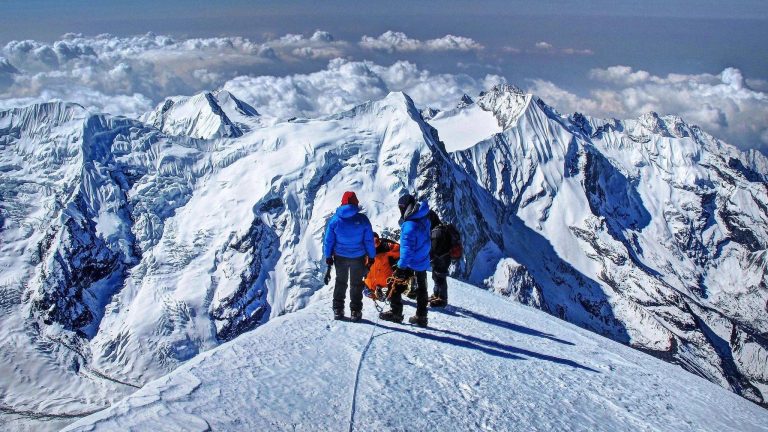
Mera Peak Climbing Cost: What You Actually Pay
What Mera Peak really costs, from USD 2,310 to 3,040 per person for 19 days, with meals, permits and climbing…
 Everest Region
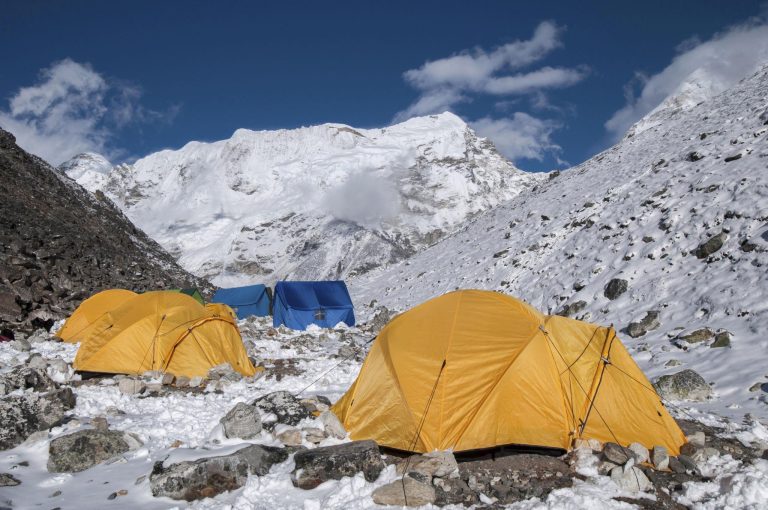
Island Peak Climbing Cost: What You Actually Pay
What Island Peak really costs: one flat price for the 16-day climb, or cheaper group rates when you combine it…
 Langtang Region
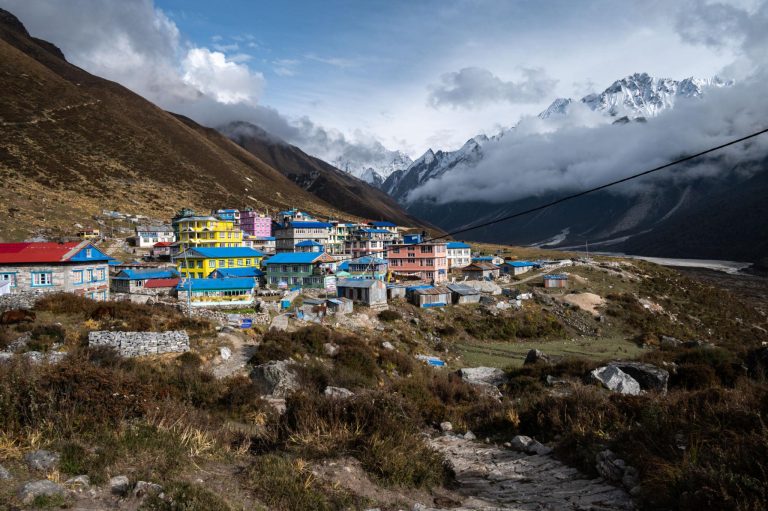
Which Langtang Trek Should You Do? 4 Routes Compared
Langtang Valley, Tamang Heritage, Gosainkunda and Ganja La compared by days, altitude, difficulty and cost. Here’s which Langtang trek suits…