

Everest Base Camp via Gokyo Valley
●●●●● 4.9 · 60+ TripAdvisor reviewsTrek to Everest Base Camp and Gokyo Ri in one route, crossing Cho La Pass and the Ngozumpa Glacier with licensed guides who know every step.
Friends paying separately still get the group price.
On The Trail
What It Really Looks Like
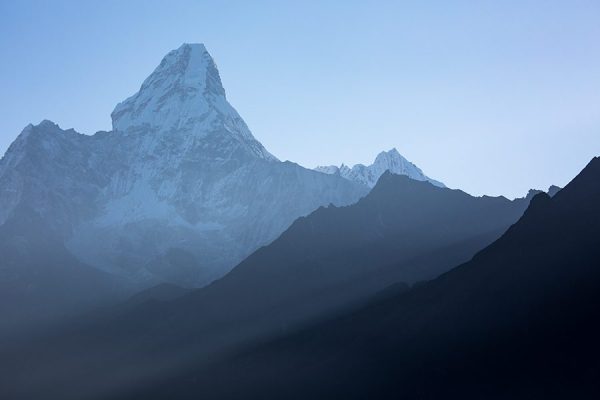
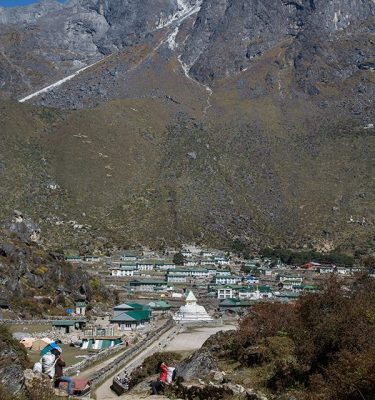
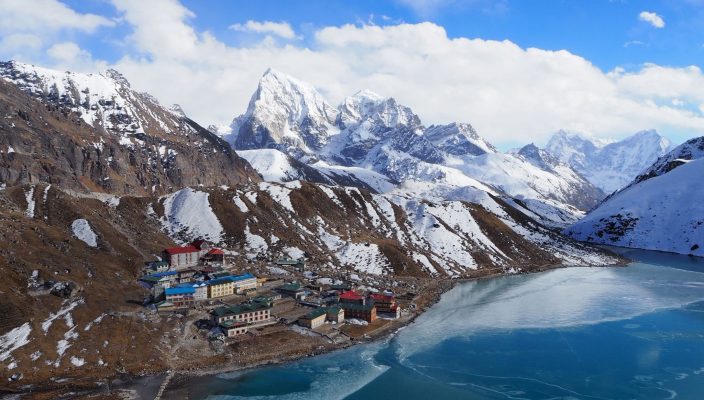
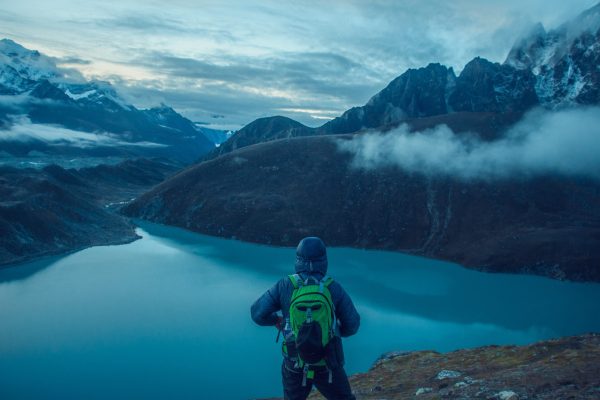
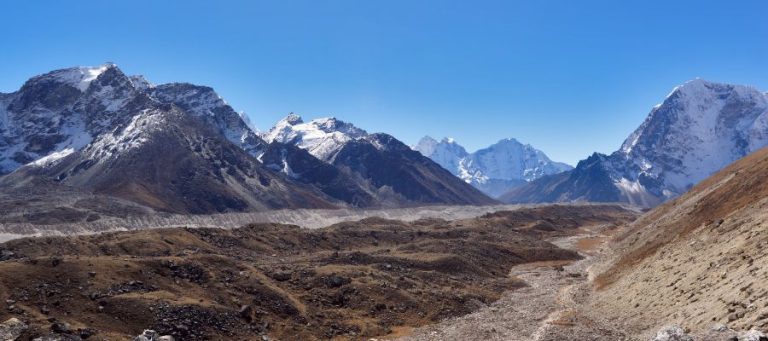
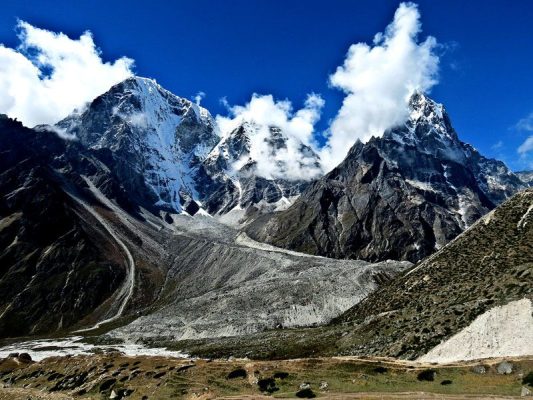
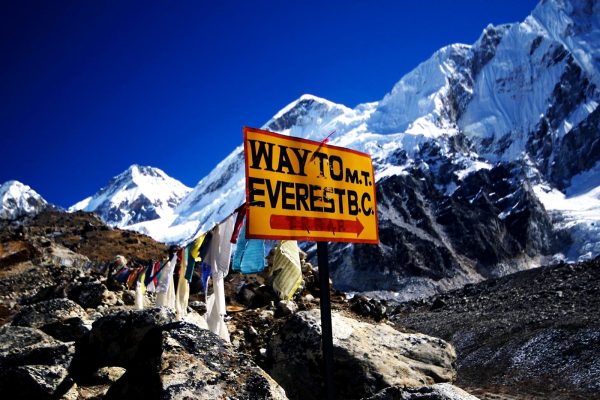
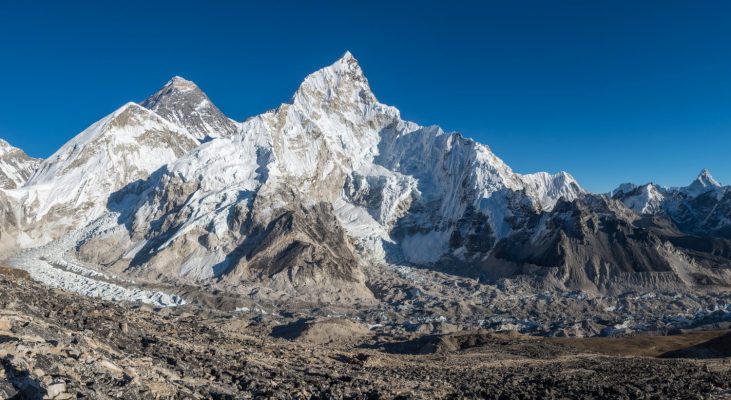
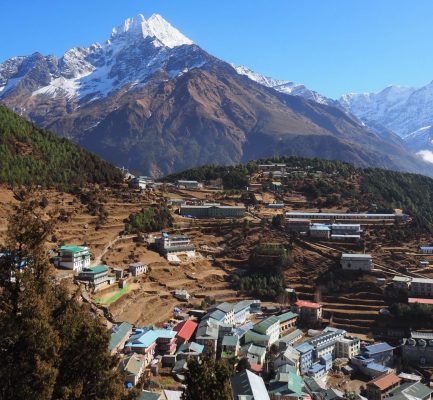
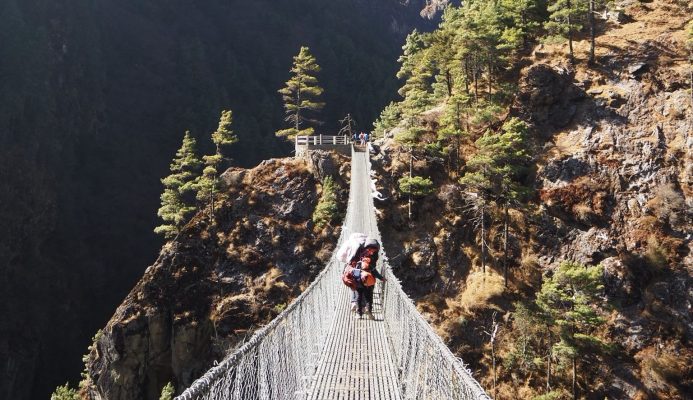
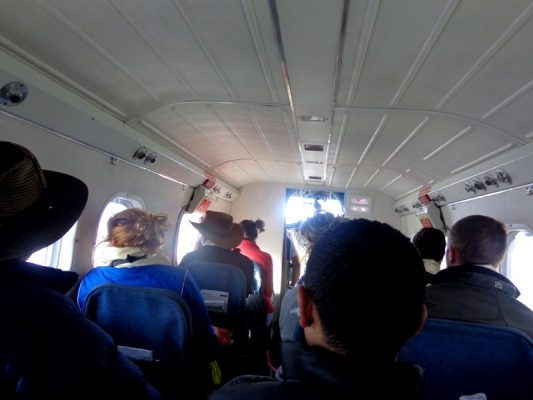
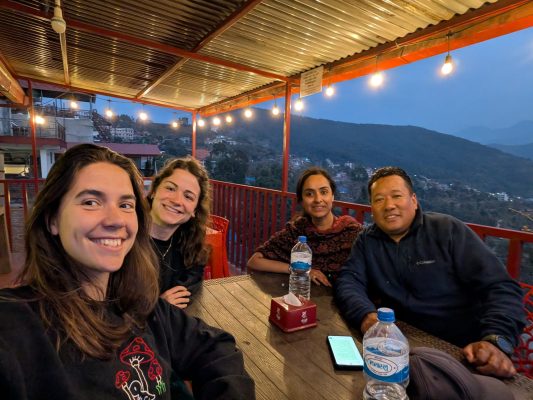
Everest Base Camp via Gokyo Valley: What to Expect
Kala Patthar at 5,545m and Gokyo Ri at 5,357m in one route
A genuine high-altitude glacier pass at 5,420m connecting the two valleys
Our own licensed guides, not contracted for the season
Six turquoise glacial lakes, Ngozumpa Glacier, and Everest Base Camp
This 17-day route covers around 145 to 160km from Lukla and back across 14 walking days. You enter the Gokyo Valley first via the quieter Phortse ridgeline, summit Gokyo Ri at 5,357m, cross Cho La Pass at 5,420m, then push to Everest Base Camp at 5,364m and climb Kala Patthar at 5,545m at dawn. Daily stages run 5 to 8 hours, with the Cho La crossing the hardest day at 7 to 8 hours.
This trek is rated hard. Seven consecutive nights above 4,400m, one night above 5,000m, and a glacier pass that requires crampons or microspikes depending on season. You should have at least one previous multi-day high-altitude trek behind you. Read our altitude sickness guide before you go.
Not sure which route is right for you? Our EBC vs Gokyo comparison breaks it down. For fewer days consider the 14-day EBC trek or the 13-day Gokyo Valley trek. For more, the Everest Three Passes Trek covers all three Khumbu high passes in 20 days.
Day-by-Day Itinerary
Arrive in Kathmandu
Our representative meets you at Tribhuvan International Airport and transfers you to your hotel in Thamel. The evening briefing covers gear, the route, Cho La Pass conditions, and what to expect on the trail. Get to bed early. The trek starts the next morning.

Fly to Lukla, Trek to Phakding
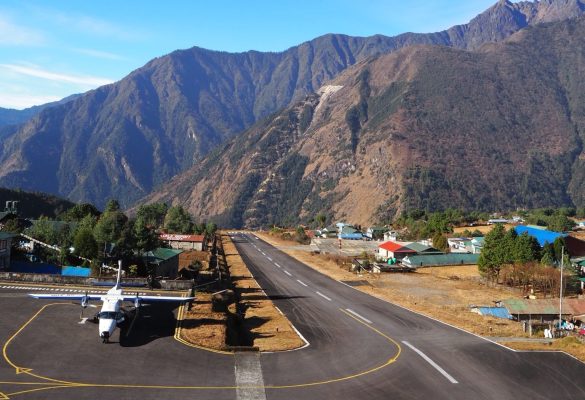
A 30-minute flight from Kathmandu lands you at Tenzing-Hillary Airport in Lukla. In peak season (March to May and September to November) flights usually leave from Ramechhap, which means a hotel pickup between 1am and 2:30am. From Lukla the trail descends gently through pine forest and Sherpa villages along the Dudh Koshi River to Phakding.

Trek to Namche Bazaar
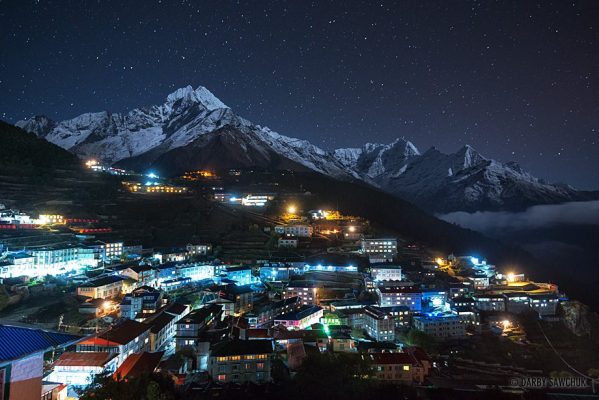
The first serious climb of the trek. From Phakding the trail follows the Dudh Koshi River, crosses the Hillary Suspension Bridge, and enters Sagarmatha National Park at Monjo where permits are checked. The final push to Namche is a steep 2-hour ascent through pine forest. On a clear day you get your first view of Everest before the town comes into sight.

Acclimatisation Day in Namche Bazaar
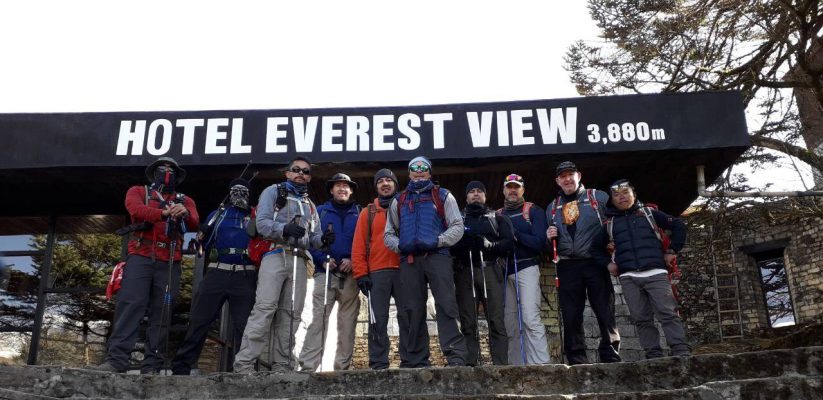
A full rest day built into the itinerary for good reason. We hike up to the Everest View Hotel at 3,880m then return to Namche to sleep lower, following the climb-high sleep-low principle. The afternoon is yours for the Sherpa Culture Museum, the Saturday market, or a coffee with views of Thamserku and Ama Dablam across the valley.

Trek to Phortse
Today you leave the main EBC trail and the crowds thin out immediately. The route climbs out of Namche along a high ridge with Everest, Nuptse, Lhotse, and Ama Dablam on the same horizon, passes through Mong La, then descends to Phortse Thanga before climbing to Phortse village. This is a traditional Sherpa settlement with far fewer trekkers than anything on the main Khumbu corridor.
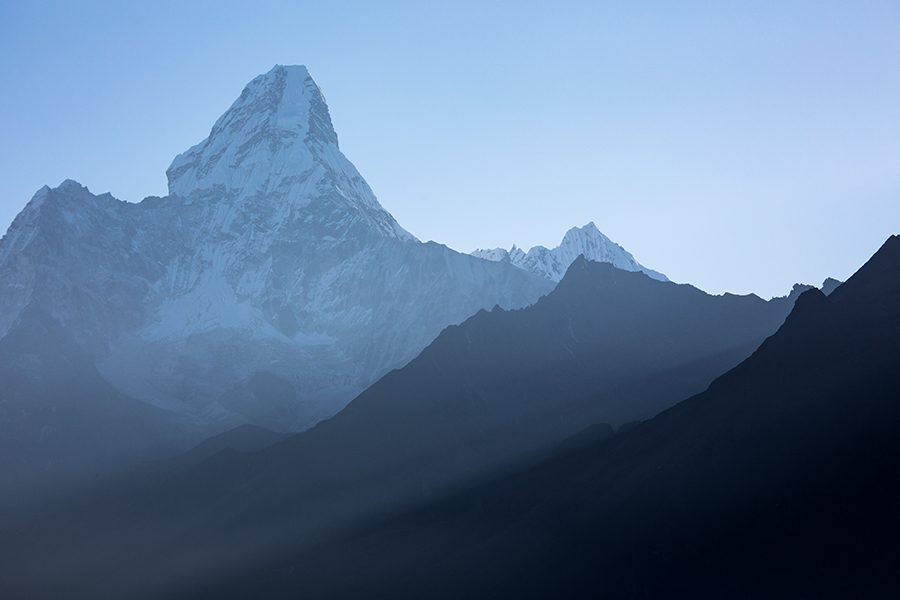
Trek to Machherma
The trail climbs steadily above the treeline into open alpine terrain with views of Cho Oyu ahead and the Dudh Koshi Valley dropping away below. You pass through Dole before continuing up to Machherma, a small cluster of teahouses that marks your first night well above 4,000m. Take it slow today, drink plenty of water, and eat a proper meal tonight.
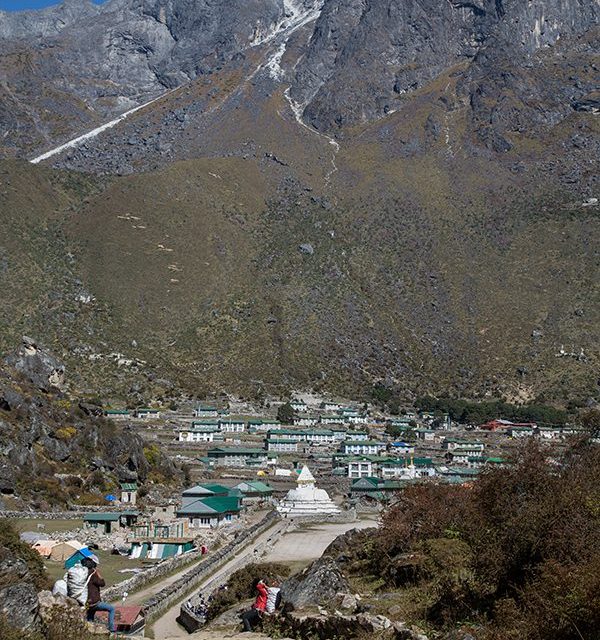
Trek to Gokyo Village
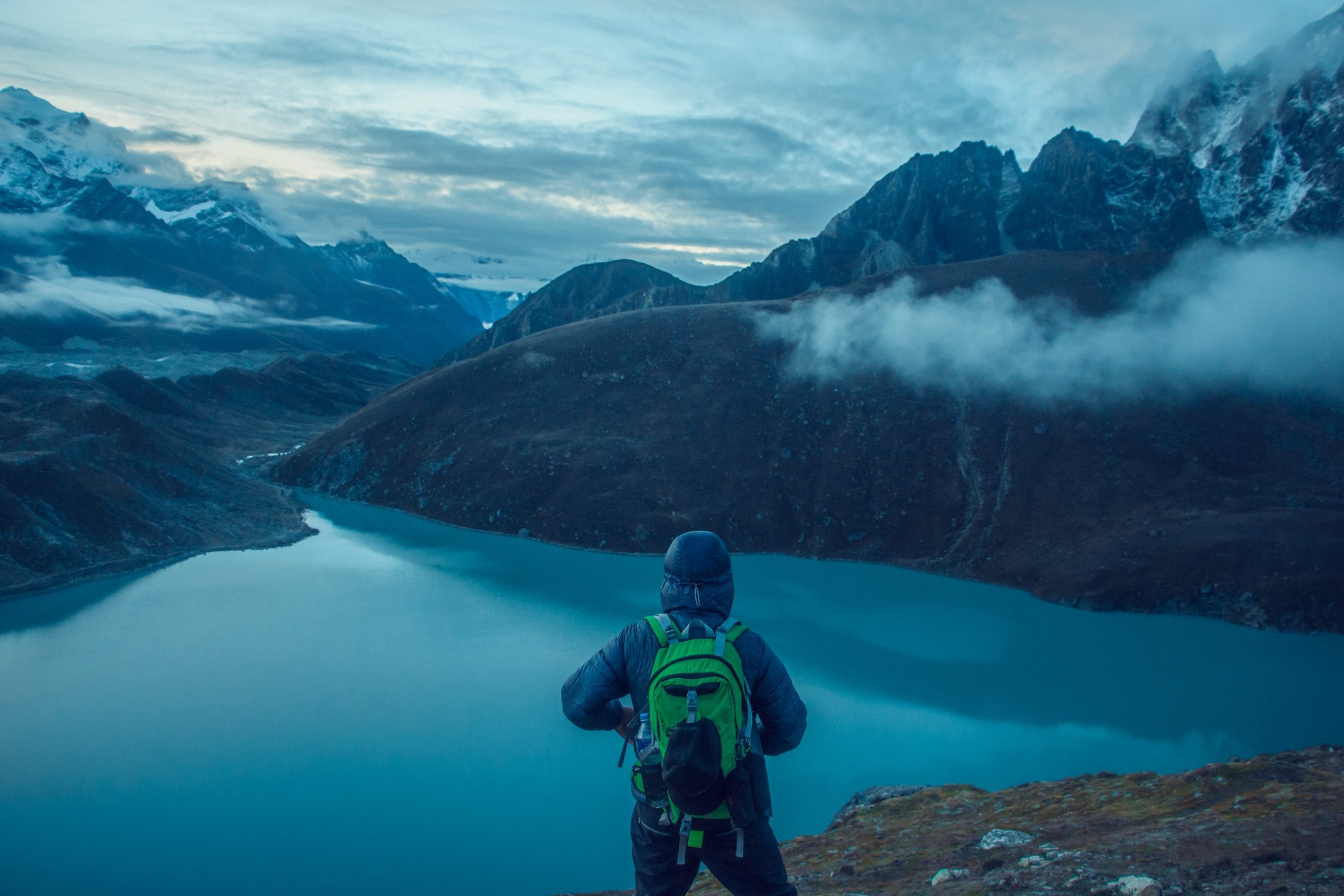
The trail passes the first and second Gokyo Lakes before reaching the third, the largest, beside which sits Gokyo village. The Ngozumpa Glacier, Nepal’s longest, fills the valley floor to the west. Most trekkers take an afternoon walk along the glacier edge to settle in and get a feel for the terrain before tomorrow’s early start on Gokyo Ri.

Summit Gokyo Ri, Return to Gokyo
You leave at 4:30am for the 3-hour climb to Gokyo Ri at 5,357m. On a clear morning Everest, Lhotse, Makalu, and Cho Oyu are all visible at once from the summit, a view most trekkers rate above Kala Patthar. After descending to Gokyo for a late breakfast the rest of the day is free to rest, walk to the fourth lake, or simply watch the glacier from the teahouse.
Trek to Thangna
A shorter day by distance but one that demands attention. The route crosses the Ngozumpa Glacier, Nepal’s longest, to reach Thangna at the foot of Cho La Pass. The glacier terrain is loose, rocky, and prone to rockfall in places so you stay close to your guide throughout. Thangna is a basic settlement with a handful of teahouses. Rest well and prepare your gear tonight for the early start tomorrow.
Cross Cho La Pass, Trek to Dzongla
The hardest day of the trek. You leave Thangna at 5:00 to 6:00am for the steep rocky approach to Cho La Pass at 5,420m, followed by a short glaciated crossing near the summit where crampons or microspikes are essential. The views from the top are exceptional with Ama Dablam dominating the skyline. A steep descent on the other side brings you to the remote settlement of Dzongla. If your guide assesses conditions as unsafe, the alternative descent via Dragnag is a well-established backup.
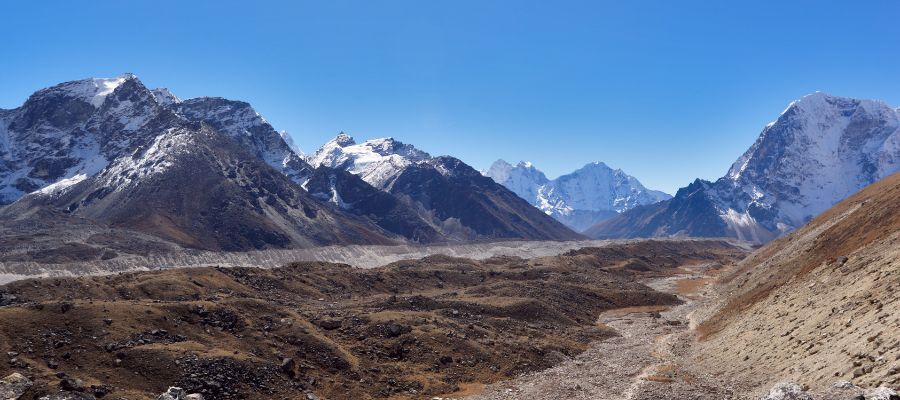
Trek to Lobuche
A relatively straightforward day after the demands of Cho La. The trail joins the main EBC corridor at Lobuche, traversing along the lateral moraine of the Khumbu Glacier with Nuptse and Pumori ahead. You pass the memorial cairns for climbers who have lost their lives on Everest, a sobering reminder of what lies above. After the pass, this short day feels easy, even though Lobuche is slightly higher than Dzongla

Trek to Gorakshep, Visit Everest Base Camp
The morning trek to Gorakshep follows the Khumbu Glacier edge through a stark lunar landscape of ice and moraine. After lunch you continue to Everest Base Camp, walking on the glacier itself for the final stretch. Everest is partially hidden from Base Camp by surrounding peaks but the Khumbu Icefall directly ahead and the prayer flags marking the spot make it one of the most powerful moments of the trek. You return to Gorakshep for the night.

Summit Kala Patthar, Trek to Pheriche
You leave before dawn for the steep climb to Kala Patthar at 5,545m, the highest point of the trek. The summit delivers the closest elevated view of Everest’s southwest face available without a climbing permit, best seen in the first light of sunrise. After descending to Gorakshep for breakfast, the trail drops steadily to Pheriche at 4,371m. The thicker air at lower elevation is immediately noticeable after days above 5,000m.

Trek to Namche Bazaar
A long descent back through the Khumbu Valley, passing Pangboche and climbing to Tengboche Monastery before dropping through rhododendron forest to Namche Bazaar. The route is familiar from the first days of the trek but the direction is kinder and the air noticeably richer with every hour of descent. Namche feels warmer, busier, and more comfortable after two weeks above 4,000m.

Trek to Lukla
The last full day of trekking and the longest by distance. From Namche you descend steeply to the Dudh Koshi River, cross the Hillary Suspension Bridge, pass through the Sagarmatha National Park checkpoint at Monjo, and make the final climb into Lukla. Celebrate tonight with your guide and porter, the hard work is done.

Fly to Kathmandu
An early breakfast before heading to Lukla airport for the return flight to Kathmandu. During peak season (March to May and October to November) the return flight operates via Ramechhap, meaning a 20-minute flight followed by a 4 to 5 hour drive back to Kathmandu. Morning flights are weather dependent so build buffer time before any international connections. The rest of the day is yours for a hot shower, a proper meal, and last minute shopping before the farewell dinner.

Final Departure
Our driver transfers you to Tribhuvan International Airport based on your flight time. If you have time before departure, Thamel has plenty of options for last minute shopping or a final coffee. Standard hotel checkout is midday and luggage storage is available for late flights.

3D Route Map
Includes & Excludes
-
Airport transfers Private vehicle for arrival and departure in Kathmandu
-
Kathmandu hotel Twin-sharing 3-star hotel in Thamel. Breakfast included on Kathmandu nights.
-
Lukla flights often via Ramechhap/Manthali in peak season. All transport arranged.
-
Sagarmatha National Park permit Required for all trekkers in the Everest region
-
Khumbu Pasang Lhamu Rural Municipality permit Local entrance fee, checked at Lukla
-
Licensed guide NTB-licensed and experienced in the Khumbu
-
Porter service One porter per two trekkers, 10kg per trekker (20kg per porter), with medical insurance
-
Teahouse accommodation on trek Twin-sharing throughout, 14 nights
-
Oximeter and first aid kit Carried by your guide throughout the trek
-
Farewell dinner in Kathmandu Traditional Nepali meal on your final evening
-
All ground transport Private vehicle for Kathmandu transfers and the Ramechhap drive
-
MountainKick duffel bag Yours to keep
-
All government taxes and official charges
-
International flights To and from Kathmandu
-
Nepal visa fees On arrival at Tribhuvan Airport. 15 days $30, 30 days $50, 90 days $125
-
Travel insurance Compulsory. Must cover trekking to at least 6,000m and emergency helicopter evacuation.
-
Meals during the trek Teahouse food is ordered and paid directly. Budget $25 to $40 per day.
-
Lunches and dinners in Kathmandu Plenty of good options in Thamel at all price points
-
Personal trekking gear Rental available in Kathmandu. We guide you to trusted shops.
-
Drinks — alcohol, soft drinks, bottled water
-
Hot showers on trek Available at most teahouses for $2 to $5
-
Extra nights if flights are delayed Hotel and meals in Lukla or Kathmandu if weather holds your flight
-
Helicopter rescue Paid by your travel insurer, or by you if your policy doesn't cover it
-
Personal expenses Laundry, phone calls, internet, battery charging
-
Tips for guide and porter Customary and appreciated. We provide guidance on standard amounts.
Enhance Your Trek
We Handle the Details
FreeWhere You'll Sleep & What You'll Eat
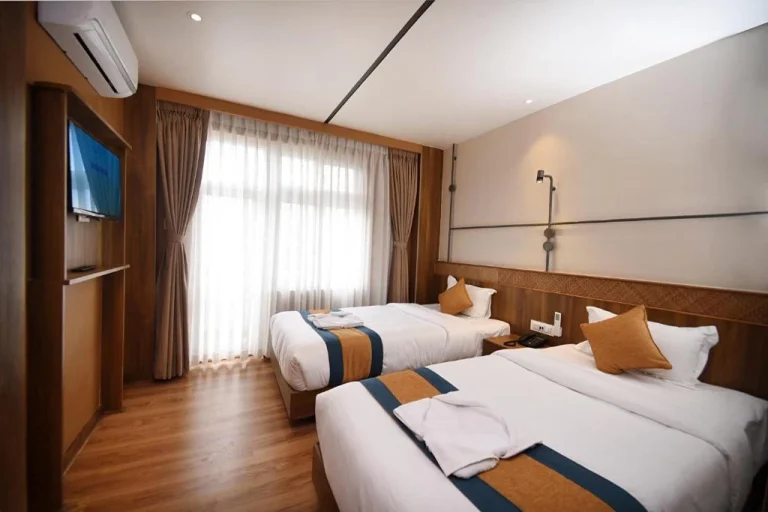
In Kathmandu: 3-star hotel in Thamel, twin-sharing, private bathroom, breakfast included.
On the trail: teahouse accommodation throughout, twin-sharing, shared bathrooms at most stops. Rooms are clean and simple with beds, pillows, and blankets provided.
Facilities get more basic with elevation. Above Namche expect cold nights and limited hot water. Single rooms are scarce above Machherma and not guaranteed.
The Gokyo Valley section has fewer teahouse options than the main EBC corridor. Gokyo village and Thangna fill fast in October and November. We handle all bookings in advance. Gorakshep is the most basic overnight on the route, cold and sparse, but only for one night.

Meals are not included during the trek. Teahouses serve dal bhat, momos, noodle soups, fried rice, pasta, porridge, and eggs. Vegetarian options are reliable throughout. Avoid meat above Namche as storage is unreliable at altitude.
The Gokyo Valley section has a smaller menu and higher prices than the main EBC trail. Gorakshep has the most limited options and the most expensive bottled water on the route at around NPR 350 per litre. Carry a water purification system from Namche onwards.
| Breakfast | $5 to $8 |
| Lunch | $8 to $12 |
| Dinner | $8 to $15 |
| Hot drinks | $2 to $4 |
| Hot shower | $2 to $5 |
| Bottled water (above Namche) | $2 to $4 |
| Wifi (where available) | $3 to $5 a day |
| Battery charging | $2 to $5 per device |
What Our Trekkers Say
“EBC and Gokyo Valley Trek”
A few of us did the EBC and Gokyo Valley trek with MountainKick, and Kumar made it a really smooth experience. He kept a close eye on everyone, especially once things got harder at altitude. Passing through Gokyo before pushing on to Base Camp was a highlight, the scenery along…
“Amazing trek in the Everest region”
I did the EBC and Gokyo trek as part of a small group, and it turned out to be a wonderful experience. Jiban guided us, patient, friendly, and clearly very familiar with the route. He never pushed the pace and was always around if we needed anything. Gokyo was the…
“Brilliant experience”
Our group trekked through Gokyo Valley and on to Everest Base Camp, and it was brilliant from start to finish. Rames guided us and kept morale high even on the tougher days, and there were a few. Having someone experienced leading the group made a real difference. Would recommend MountainKick…
“One of the best trips we have done”
Four of us friends went through the Everest region together and it's one of the best trips we've done. Sher took great care of us, always ready to explain something or step in when someone was struggling. Gokyo Lake was probably my favorite stretch, though finally standing at Everest Base…
“Incredible Nepal trek”
I trekked with a small group and couldn't have asked for a better setup. Kisor was calm, experienced, and easy company throughout. The route via Gokyo before reaching Everest Base Camp gave us views that made the whole trip feel bigger than just the final destination. A genuinely great trip…
Frequently Asked Questions
How long is the EBC via Gokyo Valley trek?
The trek is 17 days from Kathmandu to Kathmandu, with 14 walking days. The route is about 145 to 160km, from Lukla up the Gokyo Valley, over Cho La to the EBC trail, then back down to Lukla. Most days you walk 5 to 8 hours.
Do I need a licensed guide?
Since April 2023, Nepal’s rules require foreign trekkers on most routes to trek with a licensed guide. In the Khumbu, local authorities have pushed back on the rule and checks vary, but every MountainKick trek includes a licensed guide for the full trip. On this route a guide matters even more, for finding the line across the Ngozumpa Glacier and over Cho La.
Can I join a group if I’m travelling alone?
Yes. Our group departures run on set dates with up to 8 trekkers, and every date runs even if you’re the only one booked. Group dates are $1,260 per person. If you’d rather go on your own dates, a private solo trip is $1,620. Check the dates below, or message us and we’ll tell you who else is booked.
How does this trek compare to the standard Everest Base Camp Trek?
The standard EBC trek (14 days) follows the classic Khumbu corridor directly to Base Camp and Kala Patthar. This route adds the Gokyo Valley, Gokyo Ri summit, and Cho La Pass crossing before joining the EBC trail at Lobuche. You get two summit viewpoints instead of one, turquoise glacial lakes, the Ngozumpa Glacier, and a quieter trail section, but you also add 3 days, a high-altitude pass crossing, and more physical demand.
If you are deciding between the two, our EBC vs Gokyo comparison covers the differences in full.
What makes Cho La Pass the hardest day of the trek?
Cho La (5,420m) combines three demanding elements in sequence: a steep rocky approach from Thangna, a glaciated crossing near the summit where crampons or microspikes are essential, and a steep descent to Dzongla on the other side. The day runs 7 to 8 hours and requires a 5:00 to 6:00am start.
Your guide assesses conditions on the day and makes the final call. If the pass is unsafe, the alternative descent via Dragnag is a well-established backup route. This is not a day to push through if conditions are not right.
How does this trek compare to the Everest Three Passes Trek?
The Everest Three Passes Trek (20 days) crosses all three Khumbu high passes: Kongma La (5,535m), Cho La (5,420m), and Renjo La (5,360m). This EBC via Gokyo route crosses Cho La only, making it significantly more accessible while still delivering both Gokyo and EBC in one trip.
Think of it as the middle ground: more than standard EBC, less than Three Passes.
What is the best time to do this trek?
The best times are autumn (September to November) and spring (March to May). Autumn has the clearest views but the busiest teahouses. Spring is warmer, with rhododendrons lower down, but haze can build by May.
Early December is still good if conditions allow, but Cho La gets more snow and ice as winter sets in. From mid December to February the pass can be impassable, and we may need to reroute. The monsoon (June to August) makes Cho La slippery and dangerous, so it isn’t recommended.
How is acclimatisation structured on this route?
Two dedicated acclimatisation events are built into the itinerary.
The first is at Namche Bazaar on Day 4, where we hike to the Everest View Hotel at 3,880m and return to sleep lower. The second is the gradual three-day ascent through the Gokyo Valley from 3,840m to 4,790m before the Gokyo Ri summit push.
The route then moves through Cho La, Lobuche (4,940m), Gorakshep (5,164m), EBC (5,364m), and Kala Patthar (5,545m). Seven consecutive nights above 4,400m and one above 5,000m. Follow the schedule, drink 3 to 4 litres of water daily, and read our altitude sickness guide before you go.
How fit do I need to be?
You should be comfortable hiking 6 to 7 hours per day carrying a daypack of 3 to 5kg. You should also have at least one previous multi-day high-altitude trek behind you before attempting this route.
A good 2 to 3 month preparation plan: cardio 3 to 4 times a week, leg and core strength training twice a week, and several practice hikes of 5 or more hours with a loaded pack. Stair climbing is particularly good preparation for the Khumbu ascents and the Cho La approach.
Read our trek difficulty guide for a fuller picture of what hard means in practice.
What permits are required?
You need the Sagarmatha National Park Entry Permit and the Khumbu Pasang Lhamu Rural Municipality Entrance Permit. We also arrange a TIMS card. All of these are included and arranged by us. We just need your passport details and two passport-size photos before you arrive. For current fees, see our Nepal trekking permits guide.
How are the Lukla flights arranged?
Your return Lukla flights are included. In peak season (March to May and September to November), most flights leave from Ramechhap’s Manthali Airport, about 4 to 5 hours’ drive from Kathmandu. That means a hotel pickup between 1am and 2:30am, then a 20-minute flight. Off-peak, flights usually leave directly from Kathmandu and take about 30 minutes.
Lukla flights depend on the weather, and delays happen. We rebook your flight at no charge, but extra nights and meals are paid by you. Keep at least one spare day, ideally two, before your international flight home. See our Lukla flight delays guide.
What gear do I need for Cho La Pass?
Microspikes or crampons are usually needed for the glacier section near the top. Your guide will confirm before the crossing, and you can rent them in Kathmandu. Trekking poles help a lot on the steep descent, and we lend them for free. Bring a warm insulating layer and a windproof shell for the top of the pass, and a sleeping bag with a comfort rating around -15°C for the cold nights at Dzongla and Gorakshep.
What travel insurance do I need?
Travel insurance is compulsory. It must cover trekking to at least 6,000m and emergency helicopter evacuation. A rescue from the upper Khumbu or Gokyo valley can cost $3,000 to $6,000, and rescue companies usually want confirmation from your insurer before they fly. If your insurer doesn’t confirm in time, you pay the rescue company directly and claim it back later. Read our travel insurance guide for Nepal trekking for what to look for.
How much cash should I carry?
The last reliable ATM is in Namche Bazaar, and there are none in the Gokyo Valley or above Namche on the EBC side. Teahouses don’t take cards. Budget $25 to $40 a day for food, or $30 to $50 a day with hot showers, wifi, charging and snacks. For 14 days on the trail, carry around $400 to $600 in Nepali rupees, in small notes.
Can I do a helicopter return from Gorakshep?
Yes. After Kala Patthar you can fly from Gorakshep instead of walking out, which skips the 3-day descent and the Lukla flight. Seats need to be arranged in advance and depend on the weather, so we confirm it with you on the trail. Ask us for the current price when you book.
What happens if Cho La is closed?
Sometimes snow or ice makes Cho La unsafe, especially in early spring or late in the year. If that happens, your guide takes you back down from Gokyo towards Phortse and up the main trail to Lobuche. You still reach Base Camp and Kala Patthar, but it adds walking, and sometimes an extra day. Any extra nights or costs are paid by you, as set out in our terms.
Why book with MountainKick?
We’re a Kathmandu-based company with our own licensed guides, small groups and clear pricing. We don’t pass your trek to another agency. Our guides know the Gokyo and Cho La route well and are trained in first aid and spotting altitude sickness. If weather or trail conditions change the plan, we sort out the alternative route and rebook your flights. Read our TripAdvisor reviews, or our guide to choosing a Nepal trekking company.
The old answer promised alternatives “at no extra cost”. Your terms say extra costs from weather and disasters are paid by the client, so I took that out.
Departure Dates & Pricing
Your dates, your group, your way
Same route and guides, just your group. Tell us when you'd like to go and how many of you there are, and we'll send you a day by day plan with a price.
- Nothing to pay now
- Plan and price by email
- Confirm with a 20% deposit
"*" indicates required fields
Rather chat? Message us on WhatsApp
-
1
20% deposit: due on booking Secures your place on the departure. The deposit is non-refundable. We also need a copy of your passport.
-
2
80% balance: due on arrival Pay the rest in Kathmandu before the trip starts. Bank transfer, cash, or card (4% card fee).
| Cancel before you arrive | Deposit not refunded, nothing more to pay |
| Cancel after the pre-trip meeting | No refund |
| Date or name change | USD 200 per person |
| MountainKick cancels trip | Full refund or reschedule |
Weather delays and extra days cost extra, so travel insurance is required. We give you documents for any claim.
Read the full terms and conditionsPacking List
Footwear
ⓘ Break your boots in before you leave home. Cho La Pass on day 10 in new boots is not something you want to experience.
Base Layers
ⓘ Merino wool or synthetic only. Cotton holds moisture and gets dangerously cold at altitude.
Mid and Outer Layers
Headwear and Handwear
Bags and Packs
Sleeping
Trekking Equipment
Toiletries and Personal Items
First Aid and Medications
ⓘ Consult your doctor before the trek regarding Diamox and any personal medications. The Himalayan Rescue Association clinic at Pheriche runs altitude sickness talks during peak season.
Documents and Money
Trekking in Winter (Dec to Feb)
Trekking in Monsoon (Jun to Aug)
⚠ Monsoon is not recommended for this trek. Cho La Pass becomes genuinely dangerous with wet rock, soft snow, and poor visibility. Trails are muddy, leeches are common below Namche, mountain views are rare, and Lukla flights face frequent delays. If your only window is June to August, contact us and we will discuss the options honestly.
Leave at home
-
Jeans or cotton clothing Cotton holds moisture and gets dangerously cold at altitude
-
Heavy books Download to your phone instead. Weight matters above 5,000m.
-
Hair dryer or electric styling tools Power is limited and expensive above Namche
-
Expensive jewellery No need and adds security risk
-
Large toiletry bottles Decant into small containers. Every gram counts on Cho La day.
-
Umbrella Useless on exposed high passes. Waterproof jacket does the job.
Sleeping bags, down jackets, crampons and microspikes can be rented through us in Kathmandu. We lend you trekking poles for free. A duffel bag is provided to every trekker as part of the package.
Everest Base Camp via Gokyo Valley
Talk to Kumar and the team before you commit. Ask about gear, fitness, altitude or a private group.


Tales from the Himalayas
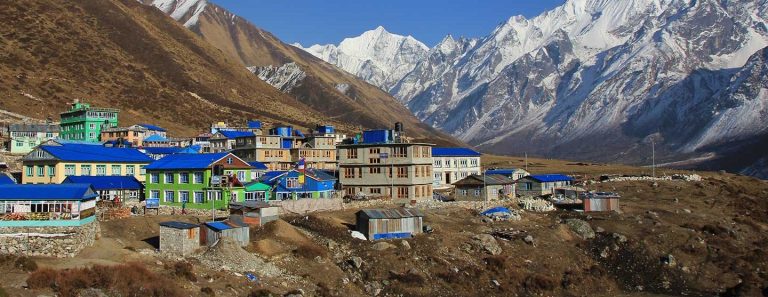 Travel
 Best Time to Trek Langtang Valley: Month by Month
Langtang is close to Kathmandu and good for much of the year, but the season changes everything from the views…
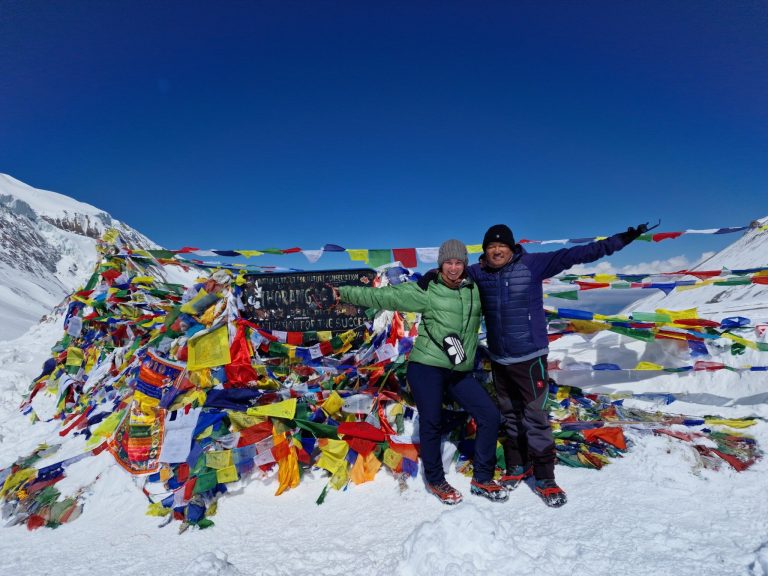 Annapurna Region
 Thorong La Pass: A Guide to the Big Day on the Annapurna Circuit
Thorong La at 5,416m is the highest point of the Annapurna Circuit. Here’s what crossing day is really like, from…
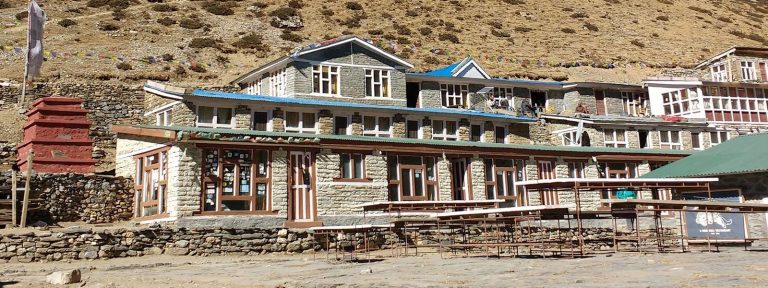 Everest Region
 Annapurna Circuit Teahouses: What the Rooms Are Really Like
Teahouses on the Annapurna Circuit range from comfortable lodges in Manang to bare rooms at Thorong Phedi. Here’s what to…