

Nepal Heritage and Poon Hill Trek
●●●●● 4.9 · 60+ TripAdvisor reviewsThirteen days from the temples of Kathmandu to the jungle of Chitwan, Buddha's birthplace at Lumbini and the lakeside at Pokhara, finishing with a four day trek to Poon Hill for sunrise over the Annapurna range.
Friends paying separately still get the group price.
On the Trip
What It Really Looks Like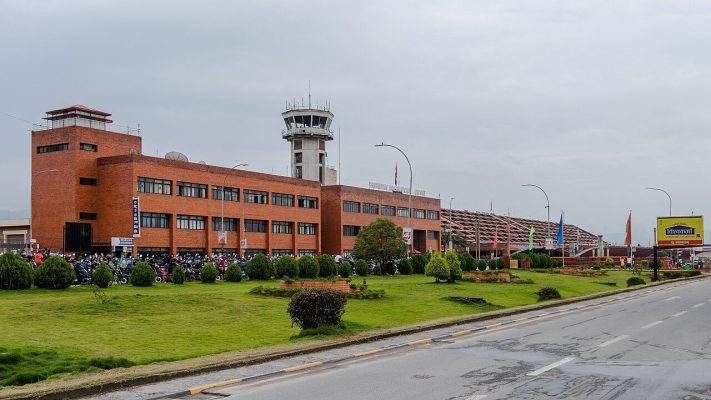
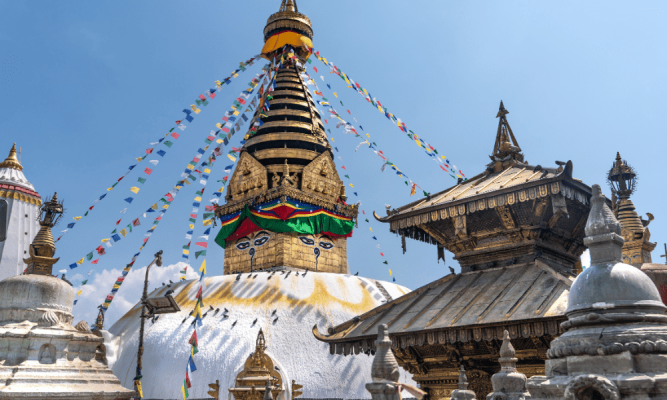
Nepal Heritage and Poon Hill Trek: What to Expect
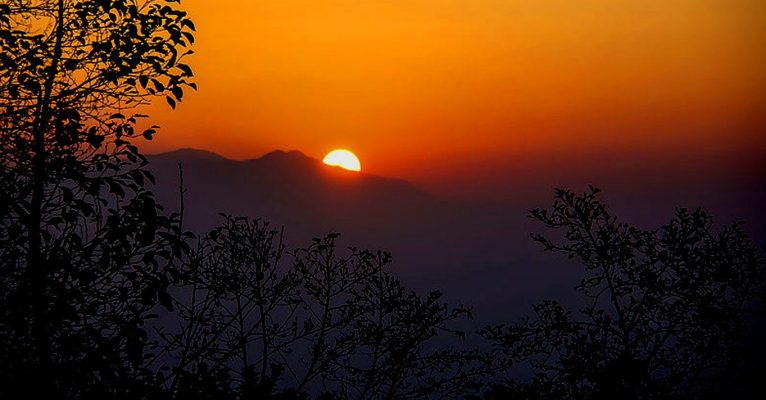
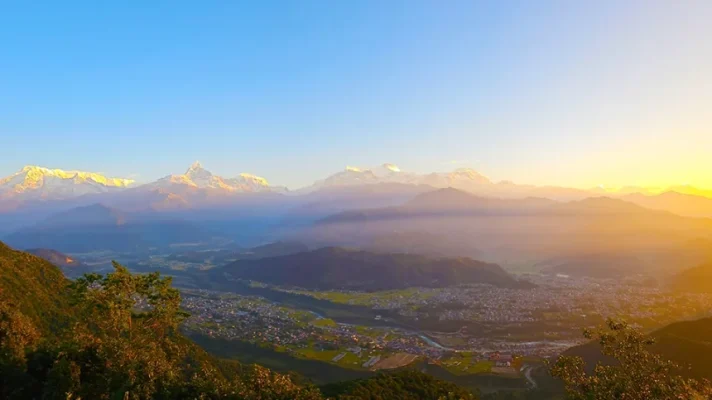
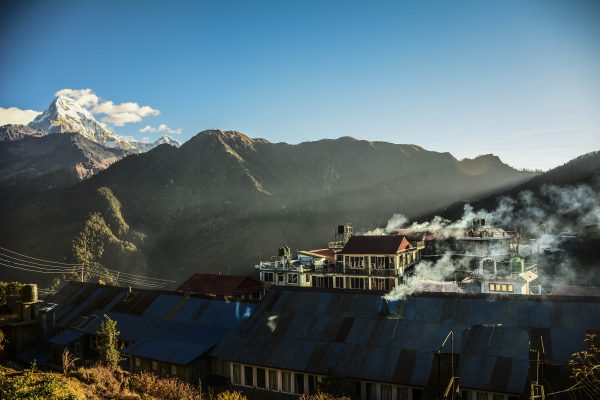
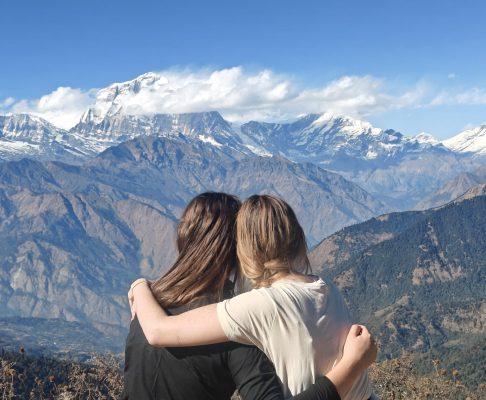
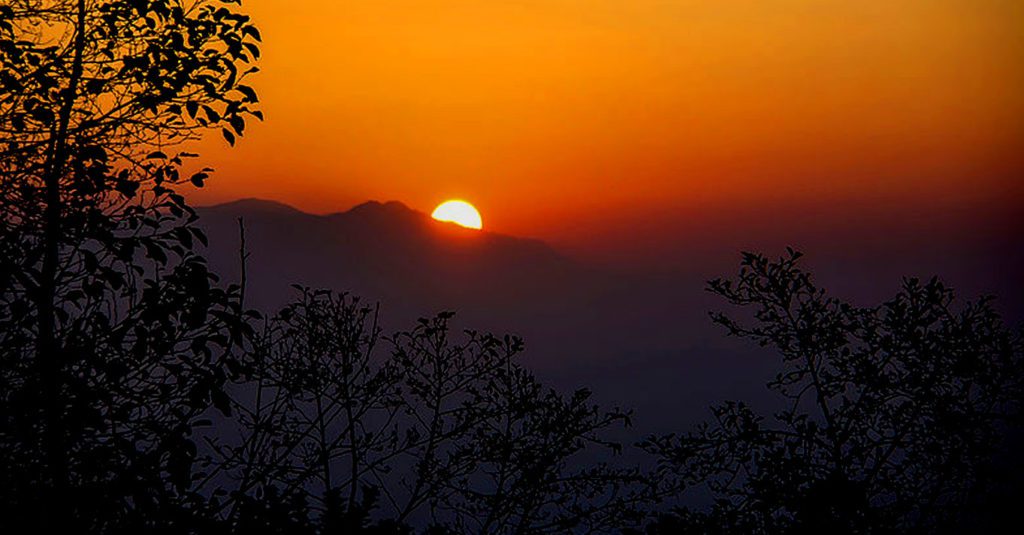
Annapurna, Machhapuchhre and Dhaulagiri at first light from 3,210m
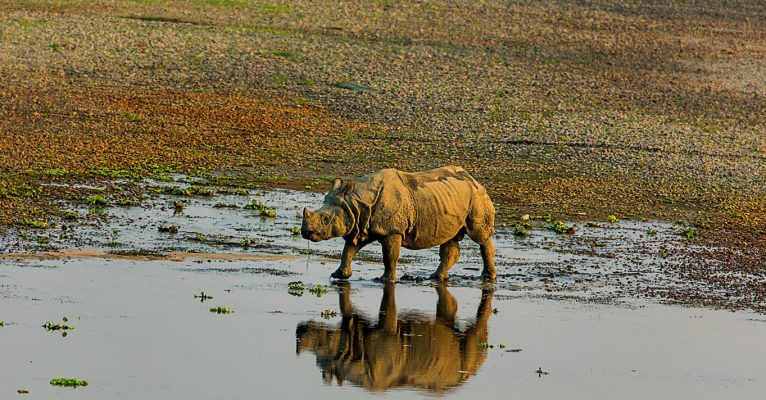
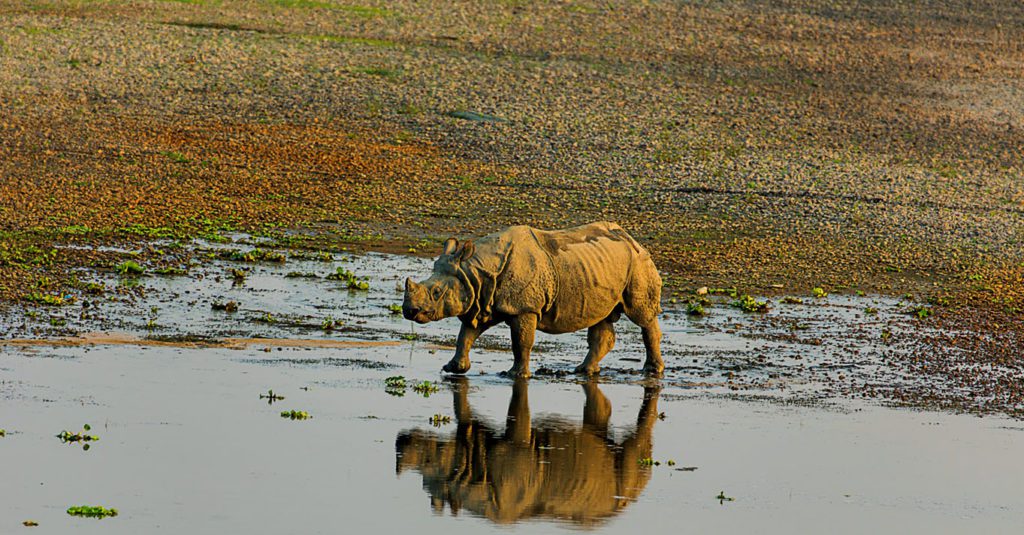
A full day in the park looking for one-horned rhino
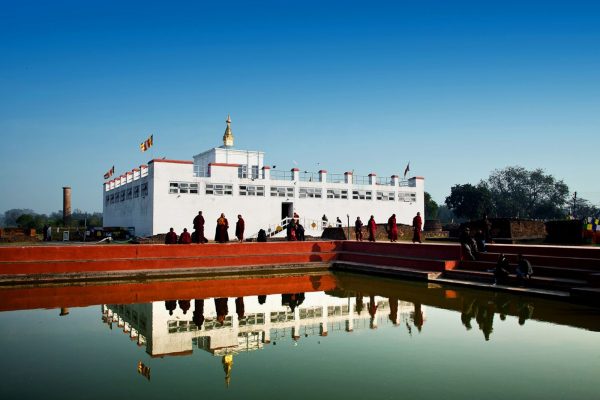
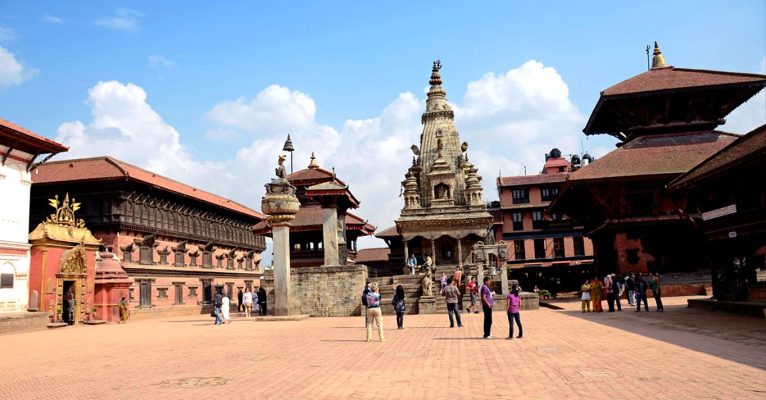
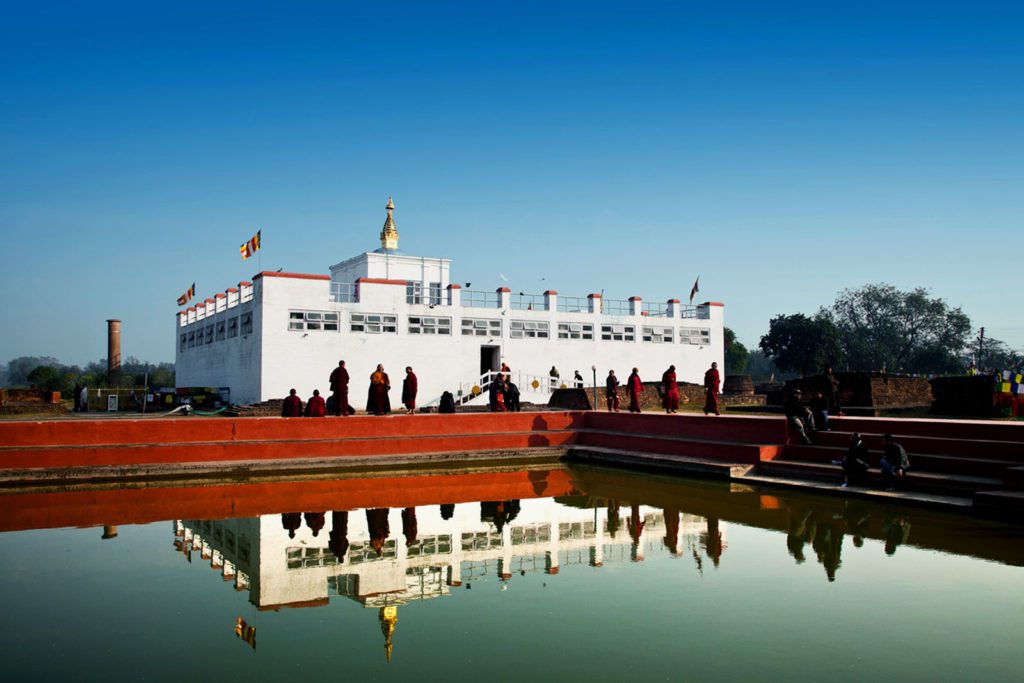
The birthplace of the Buddha and its monastery zone
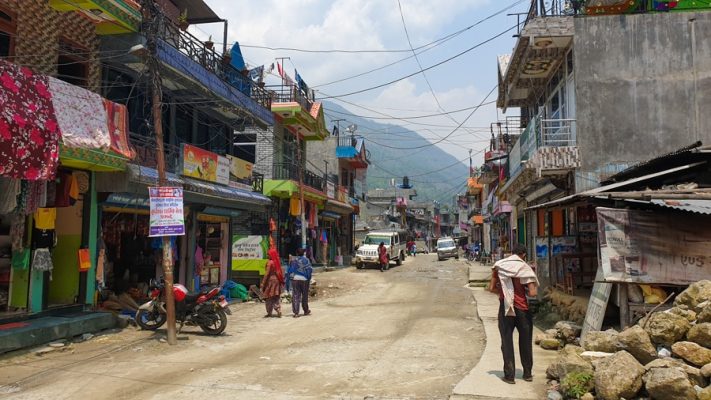
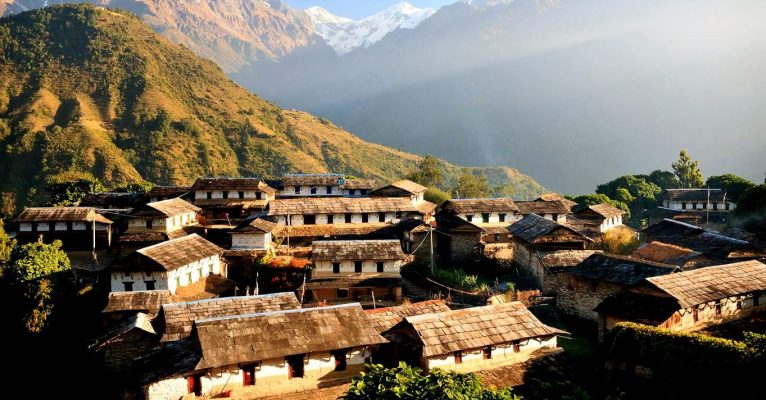
Teahouse nights in Ghorepani, Tadapani and stone-built Ghandruk
This 13 day Nepal tour and trek gives you the best of both sides of the country. The first week is culture and wildlife. You see the temples of Kathmandu, spend two nights on safari in Chitwan and visit Lumbini where the Buddha was born. Then you head to Pokhara and walk into the Annapurna foothills for four days. The trek ends with sunrise from Poon Hill at 3,210 metres, one of the best mountain views you can reach on a short trek in Nepal.
The first half needs no fitness at all. A private car takes you between cities and the walking is easy. The trek is moderate. You walk 4 to 6 hours a day on stone steps and forest trails. The climb to Ghorepani on Day 9 is the hardest part. If you can walk uphill for a few hours with breaks you can do this trek. A porter carries your main bag so you only carry a day pack.
Your licensed guide is with you from the airport on Day 1 to the airport on Day 13. We sort out the hotels, the safari, the trekking permits and the teahouses before you land. You sleep in proper hotels in the cities and simple family-run teahouses on the trail.
What you will see and do:
- Swayambhunath, Pashupatinath and Boudhanath in Kathmandu
- Jeep safari in Chitwan for one-horned rhino and deer
- A dugout canoe on the Rapti River to spot crocodiles and birds
- The Maya Devi Temple in Lumbini at the birthplace of the Buddha
- Temples built by Buddhist countries from Thailand to Germany in the Lumbini monastery zone
- Sunrise from Sarangkot and a boat on Phewa Lake in Pokhara
- Four days of trekking through rhododendron forest and Gurung villages
- Sunrise from Poon Hill with Annapurna, Machhapuchhre and Dhaulagiri in front of you
- A night in Ghandruk, one of the best kept Gurung villages in the Annapurna region
Do not want to trek? The Nepal Highlights Tour covers Kathmandu, Chitwan, Lumbini and Pokhara with no walking. Short on time? The Classic Nepal Tour takes 10 days. Only want the trek? See the Ghorepani Poon Hill Trek from Pokhara.
Day-by-Day Itinerary
Arrive in Kathmandu
Your guide meets you at the airport and drives you to your hotel in Thamel. The rest of the day is yours to rest or walk the lanes nearby. In the evening your guide goes through the plan for the next 13 days and checks you have what you need for the trek.

Kathmandu Heritage Day
A full day at the big sites of Kathmandu. Start early at Swayambhunath on its hill above the city. Walk through the old palace square at Kathmandu Durbar Square. After lunch visit Pashupatinath on the Bagmati River. Finish at Boudhanath as the light fades and locals walk around the stupa.

Drive to Chitwan
Drive out of the valley and follow the Trishuli River down to the flat Terai plains. Check in at your jungle lodge in Sauraha. In the late afternoon walk through a Tharu village with your naturalist and watch the sun set over the Rapti River. A Tharu stick dance show follows in the evening.
Chitwan National Park
Start with a dugout canoe on the Rapti River at sunrise and look for crocodiles and kingfishers. Then walk through the forest with your naturalist to learn about tracks and plants. After lunch head into the park by jeep. Rhino and deer are seen on most trips. Tigers are there too but rarely seen.
Drive to Lumbini
Drive west along the Terai to Lumbini. In the afternoon your guide takes you into the Sacred Garden. See the Maya Devi Temple built over the spot where the Buddha was born. Next to it stands the stone pillar the emperor Ashoka put up when he came here on pilgrimage. Watch monks and pilgrims at the pond as the day ends.
Lumbini Monasteries and Drive to Pokhara
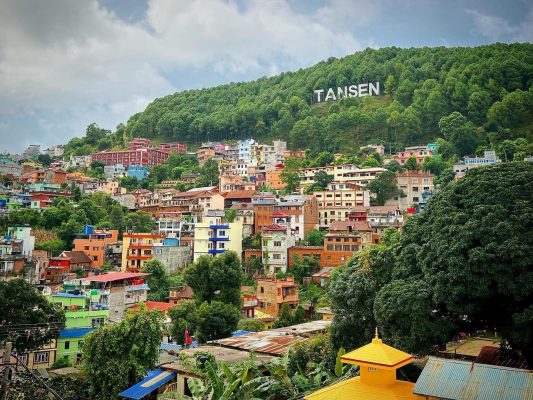
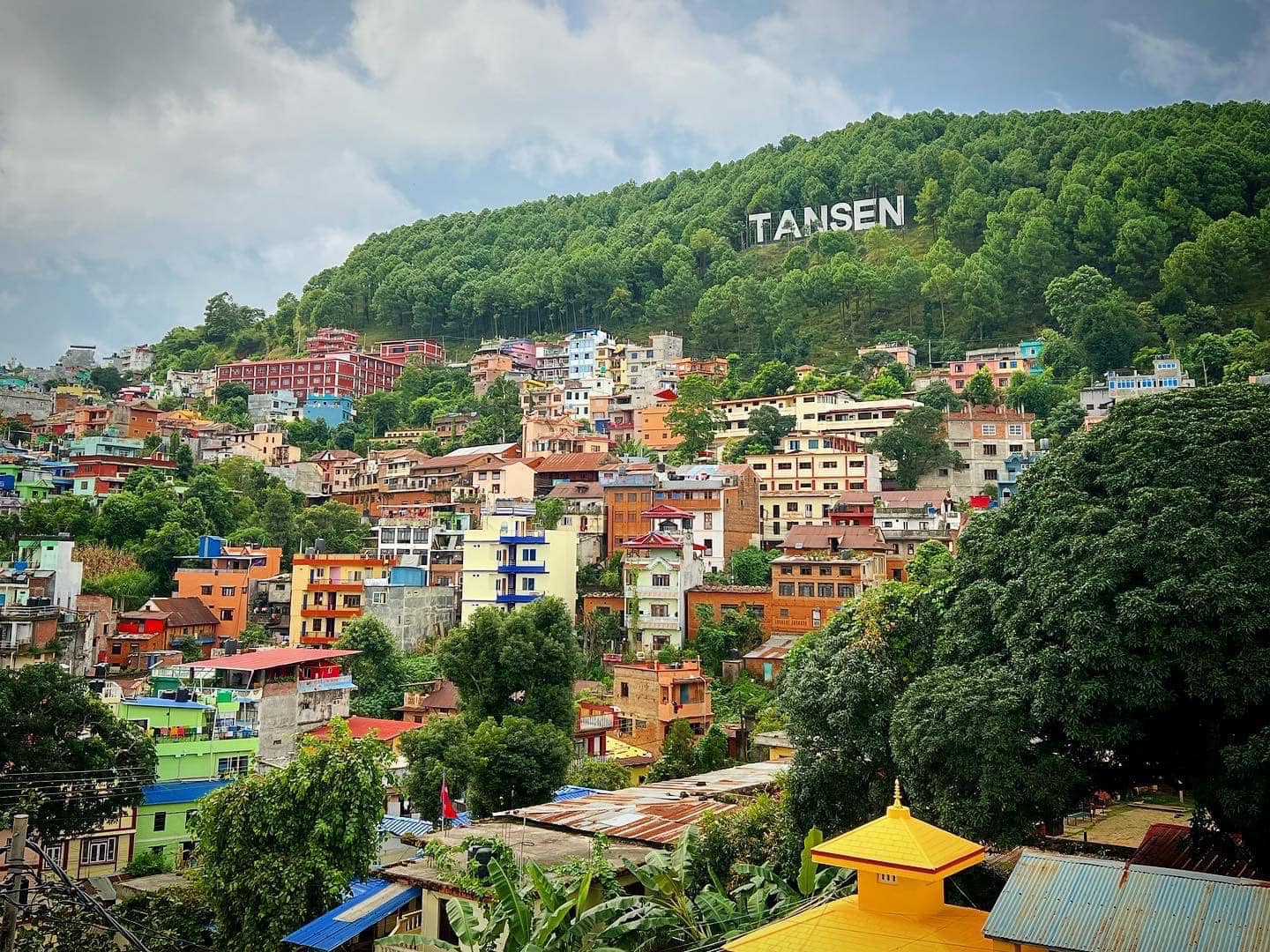
Spend the early morning in the monastery zone where Buddhist countries have each built their own temple. Then start the long drive north into the hills. We stop for lunch in Tansen, an old hill town with Newari houses and a view of the range. Reach Pokhara in the evening and check in by the lake.
Sarangkot Sunrise and Pokhara
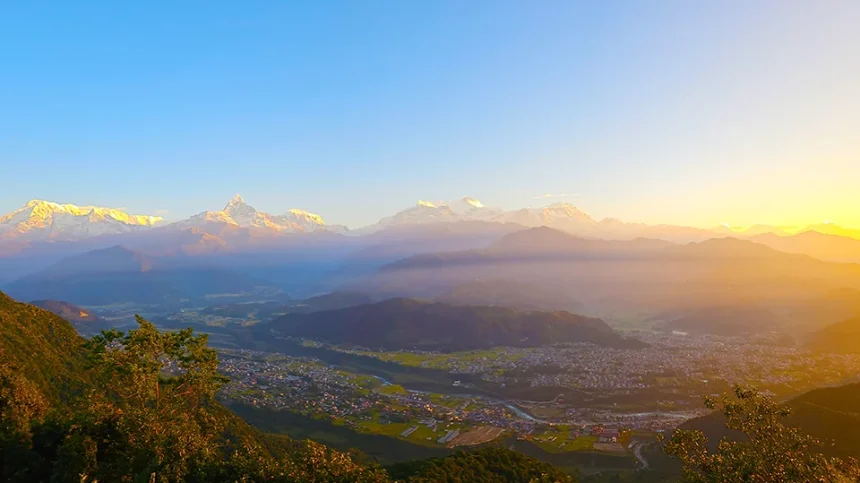
Watch the sun rise over Annapurna and Machhapuchhre from Sarangkot. Back in town take a boat to Tal Barahi Temple on Phewa Lake and walk up to the World Peace Pagoda. The afternoon is free to rest. In the evening your guide checks your gear for the trek and you can rent anything you are missing.
Drive to Nayapul and Trek to Tikhedhunga
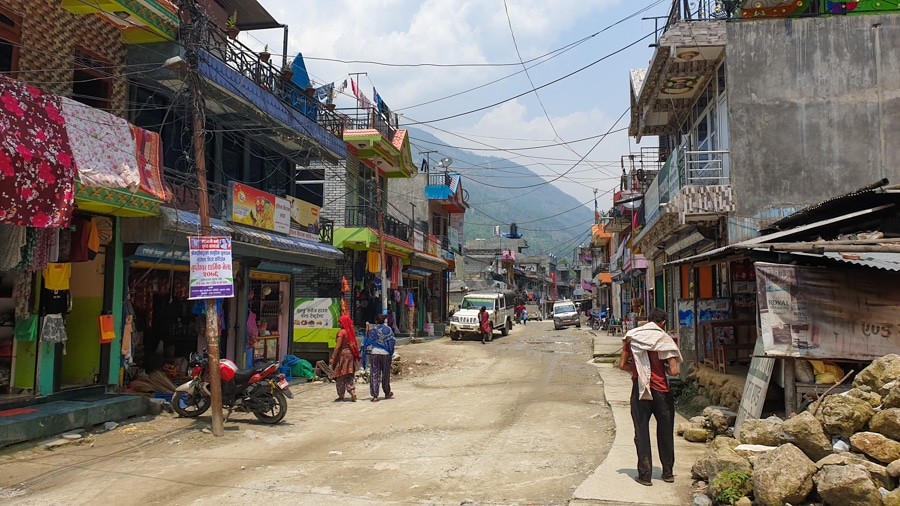
Drive about an hour and a half to Nayapul and meet your porter. The trail follows the river through Birethanti and small farming villages. It is a gentle first day to get used to walking. Stop for the night at a teahouse in Tikhedhunga by the river.
Trek to Ghorepani
The hardest day of the trek. A long stone staircase climbs to Ulleri village. After that the trail gets easier and enters thick rhododendron forest. Take it slow and stop for tea along the way. Ghorepani sits on a ridge with the mountains right in front of it. Go to bed early for the sunrise tomorrow.

Poon Hill Sunrise and Trek to Tadapani
Leave before 5am with a head torch for the 45 minute climb to Poon Hill. As the sky gets light you see Dhaulagiri, Annapurna South and Machhapuchhre all at once. Walk back down for breakfast. Then follow a forest ridge with more mountain views to Tadapani for the night.

Trek to Ghandruk and Jeep to Pokhara
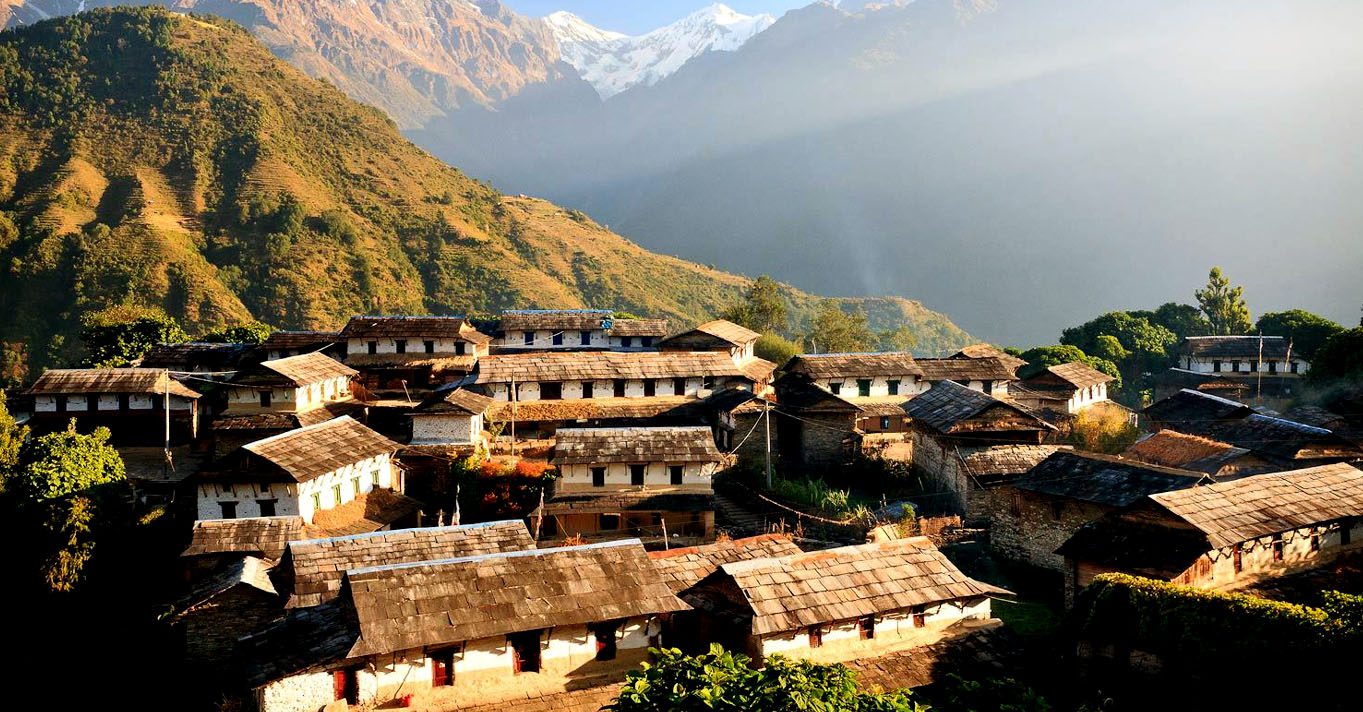
An easy downhill walk through forest to Ghandruk, a large Gurung village of stone houses with Annapurna South across the valley. Have lunch and visit the small Gurung museum. Then take a jeep down the valley to Pokhara. Enjoy a hot shower and a good dinner by the lake.
Return to Kathmandu and Farewell Dinner
Drive back to Kathmandu along the Prithvi Highway. It takes about seven hours with stops. If you add the flight you are there in 25 minutes and have the afternoon free in the city. In the evening we host a farewell dinner with Nepali food and a cultural show.
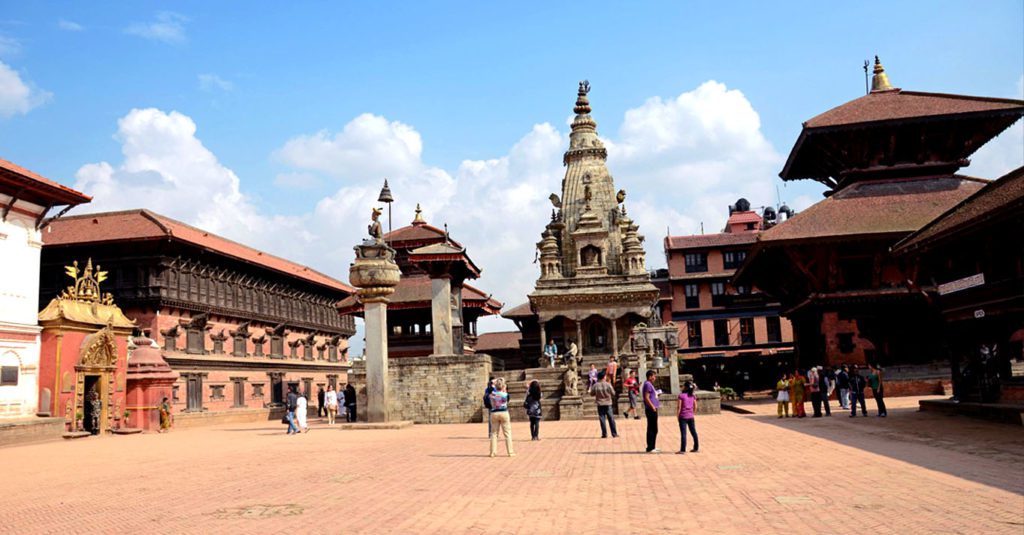
Final Departure
Breakfast at your hotel and then a private transfer to the airport. Your guide comes along to see you off. If your flight is late in the day we can keep your bags and suggest one last stop in the city.
3D Route Map
Includes & Excludes
-
Airport pickup and drop-off Private car on arrival and departure
-
9 nights hotel with breakfast 3 nights Kathmandu, 2 Chitwan, 1 Lumbini, 3 Pokhara. Twin sharing
-
3 nights in teahouses on the trek Tikhedhunga, Ghorepani and Tadapani. Twin sharing
-
Private car and driver Every drive on the trip plus the jeep from Ghandruk
-
Licensed English-speaking guide With you from Day 1 to Day 13
-
Porter for the trek One porter for every two guests
-
Annapurna Conservation Area Permit and TIMS card We arrange both before you arrive
-
Kathmandu entry fees Swayambhunath, Kathmandu Durbar Square, Pashupatinath and Boudhanath
-
Chitwan National Park fees and activities Jeep safari, canoe ride, jungle walk, Tharu village walk and dance show
-
Naturalist guide in Chitwan For all wildlife activities
-
Lumbini Sacred Garden Entry and guided visit
-
Sarangkot sunrise trip and Phewa Lake boat Early morning drive and return boat to Tal Barahi
-
All meals in Chitwan Dinner on Day 3, all meals on Day 4, breakfast on Day 5
-
Down jacket and sleeping bag On loan for the trek
-
Porter for the Poon Hill trek One porter per two travellers, 20kg load limit per porter
-
Down jacket and sleeping bag for use during the trek Provided for the duration of the trek, returned on completion
-
Duffel bag For your trek gear. Your porter carries it
-
Farewell dinner Nepali dinner with a cultural show on Day 12
-
All government taxes and official expenses
-
International flights
-
Nepal visa fee USD 30 for 15 days, USD 50 for 30 days, payable on arrival at Tribhuvan Airport
-
Meals on the trek Budget $25 to $35 per day at the teahouses
-
Lunch and dinner in the cities Budget $8 to $15 per person per meal
-
Travel insurance Required. Must cover trekking to 3,210m and helicopter evacuation
-
Pokhara to Kathmandu flight Optional add-on on Day 12
-
Tips for guide, porter, driver and naturalist Up to you
-
Single room Available at city hotels. Not possible on the trek
-
Personal expenses Drinks, laundry, and hot showers, WiFi and charging at teahouses
Add to Your Trip
We Handle the Details
FreeWhere You'll Sleep & What You'll Eat
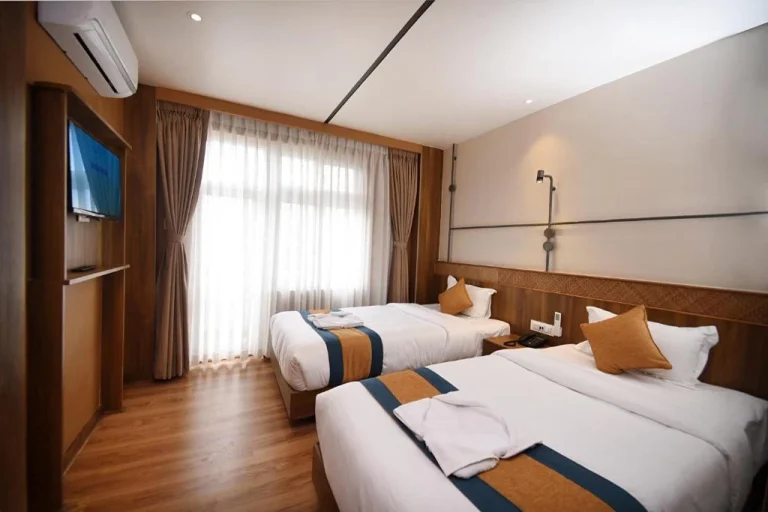
In Kathmandu you stay 3 nights at a 3-star hotel in Thamel with a private bathroom, air conditioning and WiFi.
Chitwan is 2 nights at a jungle lodge in Sauraha on the edge of the national park. Your naturalist is based at the lodge and all meals are served there.
Lumbini is 1 night at a 3-star hotel close to the Sacred Garden. It is a quiet town so the hotel is simple and practical.
Pokhara is 3 nights at a 3-star hotel in Lakeside. Two nights before the trek and one after it. You can walk to the lake and the restaurant strip.
On the trek you stay 3 nights in family-run teahouses in Tikhedhunga, Ghorepani and Tadapani. Rooms are twin sharing with simple beds and blankets. Bathrooms are often shared. Hot showers, WiFi and phone charging are available at most stops for a small fee. We lend you a sleeping bag for extra warmth.
A single room is available at city hotels at extra cost. Teahouses cannot promise single rooms.
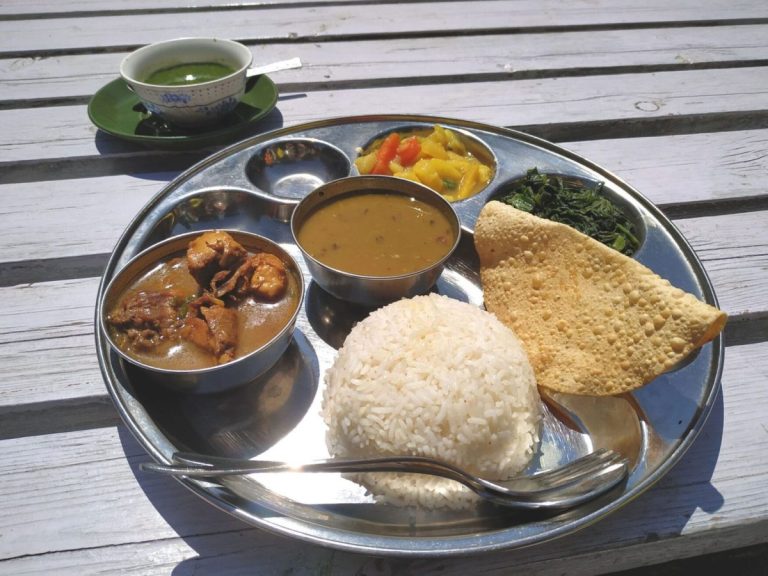
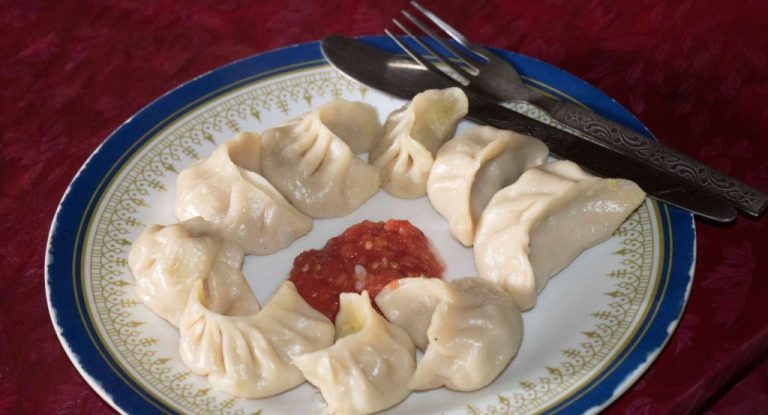
Breakfast is included at every hotel. All meals are included in Chitwan from dinner on Day 3 to breakfast on Day 5. On the last night we host a farewell dinner with Nepali food and a cultural show.
On the trek you pay for your own meals at the teahouses. Menus have fixed prices set by the local villages. Dal bhat is the classic choice and refills are free. There is also noodle soup, fried rice, pasta and eggs. Budget $25 to $35 a day for three meals and hot drinks.
Other lunches and dinners in the cities are up to you. Thamel and Pokhara Lakeside have food from every corner of the world. Lumbini has fewer choices but your guide knows the good places.
| Three meals a day on the trek | $25 to $35 per day |
| Hot drinks on the trek | $1 to $3 per cup |
| Hot shower or phone charging at teahouses | $2 to $5 each |
| Lunch in the cities | $6 to $12 per person |
| Dinner in Thamel or Lakeside | $8 to $15 per person |
| Meals in Lumbini | $5 to $10 per person |
| Optional activities in Pokhara | $80 to $130 per activity |
What Our Trekkers Say
“A great mix of culture and mountains”
We really enjoyed this trek with Dilman. The village stays and cultural side of the trip were just as interesting as the mountain views. Poon Hill was a highlight, especially watching the sunrise over the Annapurna range. Dilman was friendly and knowledgeable and made the whole trek feel relaxed.
“A wonderful way to experience Nepal”
Kumar was an excellent guide and made the trip genuinely enjoyable. We loved being able to see a quieter side of Nepal, meet local people, and then finish with the incredible mountain views around Poon Hill. Everything was well arranged by MountainKick, and we felt looked after throughout.
“Beautiful villages and Himalayan views”
Dilman was a great guide for our small group. He knew the villages well and shared a lot of interesting detail about local life along the way. The walking was comfortable, and the scenery kept shifting. Getting up early for Poon Hill was absolutely worth it.
“More than just a trek”
We chose this trek because we wanted a mix of culture and mountains, and it delivered exactly that. Kumar was patient, helpful, and always happy to answer our questions. The homestay experience was a real highlight, while Poon Hill gave us spectacular views. MountainKick organized everything smoothly and made the…
“A beautiful mix of culture and mountains”
We were a couple looking for a trek that included some local culture as well as mountain scenery, and this was perfect. The village stays were a real highlight, and we loved meeting the families and trying the local food, Poon Hill was amazing at sunrise too. Our guide was…
Frequently Asked Questions
How hard is the Poon Hill trek?
It is a moderate trek. You walk 4 to 6 hours a day for four days on stone steps and forest trails. The hardest day is the climb from Tikhedhunga to Ghorepani with its long staircase up to Ulleri. If you can walk uphill for a few hours with breaks you can do it. A porter carries your main bag so you only carry a day pack.
Will I get altitude sickness on Poon Hill?
It is unlikely. Poon Hill is 3,210 metres and you only stand on the top for sunrise. You sleep at 2,874 metres in Ghorepani. Most people feel nothing more than a little short of breath on the climbs. Drink plenty of water and tell your guide if you get a headache that does not go away.
What can I see from Poon Hill?
On a clear morning you see more than 20 peaks. The big ones are Dhaulagiri, Annapurna South, Annapurna I and the fishtail summit of Machhapuchhre. The sun lights them up one by one. It is one of the best mountain views you can reach in a short trek in Nepal.
What is the best time for this trip?
October and November give the clearest mountain views and pleasant days on the trail. March and April are also good and the rhododendron forest on the trek is in full bloom. December to February is clear but cold at Ghorepani at night. From June to September the monsoon often hides the mountains and the trail gets muddy.
How is this different from the Nepal Highlights Tour?
Both trips cover Kathmandu, Chitwan, Lumbini and Pokhara. This one adds a four day trek to Poon Hill. The Nepal Highlights Tour has no trekking and adds more temples, Tansen and Nagarkot instead. Pick this trip if you want to walk in the mountains as well as see the sights.
Is Lumbini worth it if I am not Buddhist?
Yes. Lumbini is a UNESCO World Heritage Site and the place where the Buddha was born. The monastery zone has temples built by countries from Thailand and Myanmar to Germany and France, each in its own style. It is calm and very different from the rest of Nepal. Most of our guests say it surprised them.
What permits do I need?
You need the Annapurna Conservation Area Permit for the trek. We arrange it before you arrive. All you need to send us is a copy of your passport and one passport photo. Chitwan park fees and Lumbini entry are also included in the price.
What is the food like on the trek?
Teahouse food is simple and filling. Dal bhat is the local favourite and you get free refills. Menus also have noodle soup, fried rice, pasta, pancakes and eggs. You pay for trek meals yourself because teahouse prices are fixed and fair. Budget $25 to $35 a day.
Can children do this trip?
Yes, if they enjoy walking. The tour part suits all ages and kids usually love the Chitwan safari. The trek suits children who can walk 4 to 6 hours a day with breaks. The steps up to Ghorepani are the real test. Tell us their ages when you book and we will give you an honest view.
Can I extend the trek to Annapurna Base Camp?
Yes. From Tadapani the trail can carry on up to Annapurna Base Camp at 4,130 metres. It adds about five days and takes you right into a ring of high peaks. Tell us when you book and we will plan the longer route.
What happens to my luggage during the trek?
You pack what you need for four days into the duffel bag we give you and your porter carries it. Everything else stays with us in Pokhara and is waiting at your hotel when you come back on Day 11.
Do I need travel insurance?
Yes. Your policy must cover medical care, trekking up to 3,210 metres and emergency helicopter evacuation. Some standard policies leave out trekking so check yours carefully. Ask us if you need help finding the right cover.
Departure Dates & Pricing
No upcoming fixed departures are scheduled at the moment. Contact us to arrange a private departure on dates that suit you.
Your dates, your group, your way
Same route and guides, just your group. Tell us when you'd like to go and how many of you there are, and we'll send you a day by day plan with a price.
- Nothing to pay now
- Plan and price by email
- Confirm with a 20% deposit
"*" indicates required fields
Rather chat? Message us on WhatsApp
-
1
20% deposit: due on booking Secures your place on the departure. The deposit is non-refundable. We also need a copy of your passport.
-
2
80% balance: due on arrival Pay the rest in Kathmandu before the trip starts. Bank transfer, cash, or card (4% card fee).
| Cancel before you arrive | Deposit not refunded, nothing more to pay |
| Cancel after the pre-trip meeting | No refund |
| Date or name change | USD 200 per person |
| MountainKick cancels trip | Full refund or reschedule |
Weather delays and extra days cost extra, so travel insurance is required. We give you documents for any claim.
Read the full terms and conditionsPacking List
Documents
ⓘ Bring USD cash for the visa fee. Cards are not accepted at the visa on arrival counter at Tribhuvan Airport.
Clothing
ⓘ Temples and monasteries in Kathmandu and Lumbini require covered shoulders and knees. For Chitwan wear neutral colours and cover arms and legs. For the trek wear moisture-wicking layers and broken-in boots.
Personal Items
ⓘ Sunscreen, insect repellent, and lip balm are available in Thamel but bring your own DEET-based repellent for Chitwan. Your guide checks your kit before the trek starts on Day 8 and can arrange rental of missing items in Pokhara.
Electronics
ⓘ Nepal uses Type C, D, and M plug sockets. Bring a universal adapter if your devices use a different plug type.
Money
ⓘ ATMs are reliable in Kathmandu and Pokhara. Withdraw sufficient cash before the trek starts on Day 8. There are no ATMs between Nayapool and Ghandruk. Budget extra for trek meals as all food on the trail is at your own expense.
Travelling in Winter (Dec to Feb)
Travelling in Monsoon (Jun to Aug)
⚠ Monsoon months from June to September are not the best time for this trip. The trail to Ghorepani gets muddy and slippery and the Poon Hill view is often lost in cloud. Lumbini and Chitwan are fine in the rain but October to April is the right window.
Leave at home
-
Large wheeled suitcase You move between hotels, a jungle resort, and teahouses across 15 days. A duffel or soft bag is much easier throughout
-
Sleeping bag We lend you one for the trek. All hotels have proper bedding
-
Cotton clothing for trek days Cotton holds moisture and dries slowly. Wear moisture-wicking synthetic or merino wool on the trail
-
Heavy non-waterproof boots Too heavy and stiff for the Poon Hill trail. A lightweight hiking boot with ankle support is enough
-
Bright coloured clothing for Chitwan Disturbs wildlife on jeep safari and jungle walks
-
Strong perfume or scented products Attracts insects and disturbs wildlife in the Chitwan buffer zone
We lend you a down jacket, sleeping bag, duffel bag and trekking poles for the trek. If you are missing anything else your guide helps you rent or buy it in Pokhara on Day 7.
Nepal Heritage and Poon Hill Trek
Talk to Kumar and the team before you commit. Ask about pace, hotels, a private group or adding extra days.
Tales from the Himalayas
 Travel
 Best Time to Trek Langtang Valley: Month by Month
Langtang is close to Kathmandu and good for much of the year, but the season changes everything from the views…
 Annapurna Region
 Thorong La Pass: A Guide to the Big Day on the Annapurna Circuit
Thorong La at 5,416m is the highest point of the Annapurna Circuit. Here’s what crossing day is really like, from…
 Everest Region
 Annapurna Circuit Teahouses: What the Rooms Are Really Like
Teahouses on the Annapurna Circuit range from comfortable lodges in Manang to bare rooms at Thorong Phedi. Here’s what to…