

Langtang Ganja La Pass Trek
●●●●● 4.9 · 60+ TripAdvisor reviewsCross a technical 5,122m pass from Langtang Valley into Helambu with four nights of wilderness camping and barely another group in sight
Langtang Ganja La Pass Trek: What to Expect
A technical crossing with fixed ropes, crampons, and steep boulder fields
No permanent lodges after Kyanjin Gompa, full expedition cook service
Certified guide plus climbing assistant dedicated to the pass crossing
Tamang villages in Langtang, traditional Sherpa communities in Helambu
The Langtang Ganja La Pass Trek is a 14-day route from Syabrubesi through the Langtang Valley, over a technical 5,122m mountain pass, and down through the traditional Sherpa villages of Helambu to Melamchi Pul Bazaar. After Kyanjin Gompa at 3,870m, permanent lodges disappear entirely for four days. Everything from this point is expedition camping with tents, sleeping mats, and an expedition cook.
This is not a standard trekking pass. The Ganja La crossing requires rope work, crampon use, and the ability to handle steep boulder fields and exposed scrambling at altitude. The pass is snow-covered year round and the crossing day typically runs 8 to 12 hours. MountainKick provides a certified technical guide and a dedicated climbing assistant specifically for the pass. Previous high-altitude experience above 4,000m is essential before booking this trek.
MountainKick handles all expedition logistics from Kathmandu, including technical equipment, camping gear, permits, and an expedition cook for all four wilderness nights. No domestic flights are needed. Kumar answers personally if you have questions about whether this trek suits your experience level.
For a less technical Langtang route see our Langtang Valley Trek. For the full three-region circuit without technical climbing see the Langtang, Gosainkunda and Helambu Trek.
Day-by-Day Itinerary
Arrive in Kathmandu
A MountainKick representative meets you at the airport and transfers you to your hotel in Thamel. Your guide runs a comprehensive expedition briefing covering the technical requirements of the Ganja La Pass crossing, gear verification, and safety protocols for the four wilderness camping nights. Pick up any last-minute supplies in Thamel before the drive tomorrow
Drive to Syabrubesi
An early departure by public bus northwest along the Trishuli River valley through Trishuli Bazaar and the Nuwakot countryside toward Syabrubesi, the gateway to Langtang National Park. The road follows the Trishuli River gorge for much of the journey. On clear days you get distant views of Ganesh Himal and Manaslu from the highway
Trek to Lama Hotel
The expedition begins on foot, following the Langtang Khola upstream through dense forest of oak, rhododendron, and bamboo. Multiple suspension bridge crossings provide views of the river cutting through deep gorges below. The trail passes through Bamboo village and Rimche before reaching Lama Hotel, a cluster of teahouses in a forest clearing and prime red panda habitat
Trek to Mundu via Langtang Village
The forest thins above Ghoda Tabela, a former army checkpoint, and opens into vast yak pastures with the first full mountain panoramas coming into view. You pass Langtang Village, completely rebuilt after the 2015 earthquake landslide that killed over 175 people. A further 30 minutes uphill brings you to Mundu with dramatic views of Langtang Lirung at 7,234m
Trek to Kyanjin Gompa
A shorter acclimatization day following the valley floor through meadows past what is reportedly the longest mani wall in Nepal. Kyanjin Gompa sits in a dramatic glacial amphitheater surrounded by Langtang Lirung, Kimshung, and Langshisha Ri. This is your last lodge accommodation before the wilderness begins. Visit the ancient monastery and the yak cheese factory established with Swiss assistance in the 1950s
Tserko Ri Climb and Technical Training
An optional but strongly recommended climb of Tserko Ri delivers a 360-degree panorama of Langtang Lirung, Dorje Lakpa, Ganesh Himal, and the Langtang Glacier — essential altitude preparation for the pass crossing ahead. In the afternoon your guide runs a hands-on technical session covering rope work, crampon technique, and emergency procedures on the terrain around Kyanjin Gompa
Trek to Ngegang Base Camp
The expedition pivots here. You cross the Langtang Khola and begin climbing toward the wilderness zone where permanent infrastructure ends completely. The terrain shifts to high alpine pastures and moraine. First night under expedition canvas with the cook preparing dinner while you rest and acclimatize. From this point you are fully dependent on the expedition setup for four consecutive nights
Cross Ganja La Pass to Keldang
The defining day of the expedition. An alpine start around 3am is required to tackle the pass in stable conditions. The approach climbs steep boulder fields to sections of snow and ice where fixed ropes span the most exposed 50 to 60 metre sections. The summit at 5,122m delivers panoramic views across Langtang, Ganesh Himal, and into Tibet. The descent to Keldang is steep and loose on the Helambu side, dropping 852m on rough terrain
Trek to Dukpu Valley
A demanding but less technical day through remote Helambu backcountry. The trail follows ancient ridgelines through high grasslands and scattered stone shelters used by herders in summer. This is genuinely remote territory with no other groups likely on the trail. The landscape transitions from the stark moraine of the Langtang side to the more rounded grass-covered ridges of northern Helambu
Trek to Tarke Ghyang
A dramatic descent of nearly 1,500m through dense rhododendron forest marks the return to civilization. The change in temperature, oxygen levels, and vegetation is remarkable within a few hours. Tarke Ghyang is the largest village in Helambu and home to Gekye Gompa, one of the oldest monasteries in the region. The return to a proper bed after four nights in expedition tents is a relief most trekkers remember vividly
Trek to Sermathang
A welcome recovery day after the intensity of the previous five days. The trail passes through Parachin and Gangyul villages, offering a window into traditional Sherpa life in Helambu. Buddhist monasteries, prayer wheels, and colorful flags mark the route throughout. The gentle elevation profile makes this the easiest walking day since leaving Syabrubesi
Trek to Melamchi Pul Bazaar
The final trekking day descends through agricultural terraces and chir pine forest to Melamchi Pul Bazaar on the Indrawati River. This completes the full circuit from the glacial peaks of Langtang through a technical 5,122m pass to the cultural heartland of Helambu. Hot showers, Wi-Fi, and a full restaurant menu await after 12 days on trail
Drive to Kathmandu and Farewell Dinner
A scenic drive through mountain valleys back to Kathmandu, arriving by midday. The afternoon is free for equipment return, souvenir shopping, or rest. Farewell dinner with traditional Nepali food and cultural performances celebrates the completion of one of Nepal’s most demanding pass crossings
Final Departure
Private transfer to Tribhuvan International Airport timed to your flight. Your guide sees you off at departures
3D Route Map
Includes & Excludes
-
Airport and hotel transfers Private vehicle, both directions
-
3-star hotel in Kathmandu, 1 night Twin-sharing, breakfast included
-
Teahouse accommodation on trek Twin-sharing, Days 2 to 6 and Days 10 to 12
-
Full expedition camping, 4 nights Technical tents, sleeping mats, dining tent, toilet tent
-
Expedition cook service All meals prepared during the 4 wilderness camping nights
-
Government-licensed trekking guide NTB-certified, English speaking, full trek from Syabrubesi to Melamchi
-
Certified climbing assistant Dedicated to the Ganja La Pass crossing, one per group
-
Porter service One porter per two trekkers, 20kg load limit strictly enforced
-
All staff costs Salary, insurance, equipment, food and accommodation for all crew
-
Group technical climbing equipment Fixed ropes, snow anchors, and group safety hardware for the pass
-
Langtang National Park permit Arranged by MountainKick before departure
-
TIMS card Trekkers' Information Management System card
-
Public bus Kathmandu to Syabrubesi Day 2, departs early morning
-
Public bus Melamchi Pul Bazaar to Kathmandu Day 13, return leg
-
Farewell dinner in Kathmandu Traditional Nepali meal on return night
-
Duffel bag MountainKick kit, yours to keep
-
All government taxes and fees Nothing added after booking
-
International flights To and from Kathmandu
-
Nepal visa $30 / $50 / $125 on arrival at Kathmandu airport
-
All meals during teahouse sections Budget $30 to $40 per day. Camping section meals are included
-
Lunches and dinners in Kathmandu Breakfast only covered at hotel
-
Travel insurance Must cover helicopter rescue to 5,122m minimum. Mandatory
-
Personal technical climbing gear Crampons, ice axe, harness, helmet — all rentable in Kathmandu through us
-
Hot showers, Wi-Fi, charging on trail Small extra charge at each teahouse
-
Personal expenses Drinks, snacks, laundry, souvenirs
-
Tips for guides, climbing assistant, and porters 10 to 15% of trip cost is standard across Nepal
-
Costs from illness or itinerary changes Travel insurance covers most scenarios
Enhance Your Trek
We Handle the Details
FreeWhere You'll Sleep & What You'll Eat
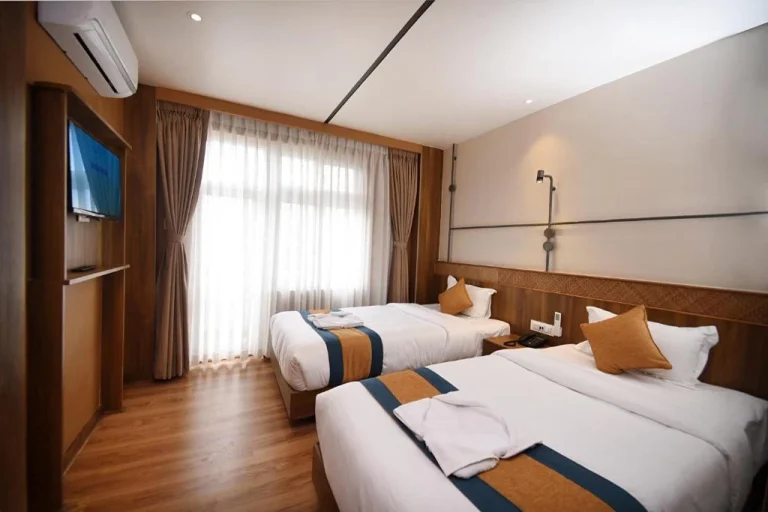
In Kathmandu you stay in a 3-star hotel in Thamel on twin-sharing basis with breakfast included. Rooms have private bathrooms, hot water, and Wi-Fi. On trek nights from Syabrubesi to Kyanjin Gompa and through the Helambu section you stay in teahouses with basic twin rooms, shared bathrooms, and simple facilities. Hot showers and Wi-Fi are available at most teahouses below 3,500m for a small extra charge. Kyanjin Gompa at 3,870m has limited electricity and no reliable hot showers. For four nights after Kyanjin Gompa the infrastructure ends entirely. You sleep in expedition-grade tents at Ngegang, Keldang, and Dukpu Valley between 4,000m and 4,270m. The expedition cook prepares all meals during these four nights. There are no showers, electricity, or Wi-Fi during the camping section. Single supplement is available for lodge sections on request but is not possible during the four expedition camping nights.
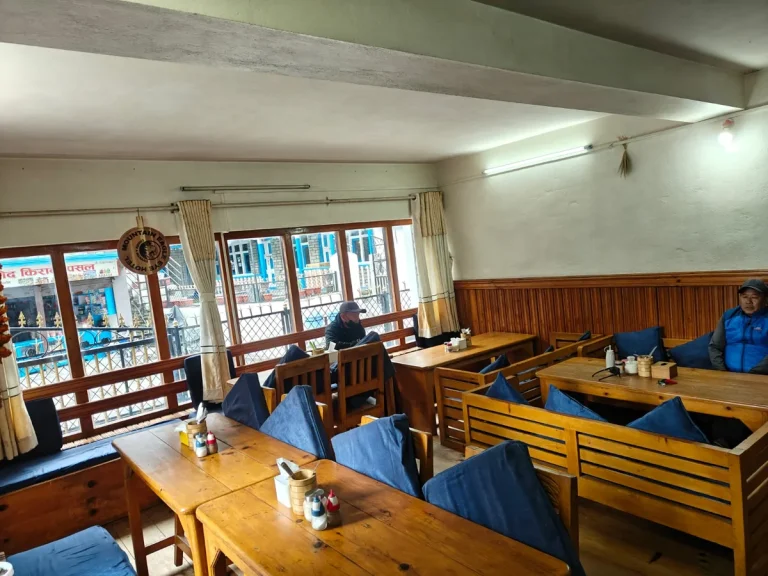
Breakfast is included at the Kathmandu hotel. All meals during the four expedition camping nights are included and prepared by the expedition cook. During all teahouse sections meals are your own cost, ordered and paid at each teahouse. Budget $30 to $40 per day for three meals on the trail. Teahouses serve dal bhat, noodle soups, fried rice, eggs, pasta, porridge, and chapati. Vegetarian options are available throughout. Avoid meat above Syabrubesi as supply chains are unreliable at higher elevations. Food prices increase with altitude. The farewell dinner on Day 13 in Kathmandu is included.
| Meals | $30 to $40 / day |
| Hot shower | $3–5 |
| WiFi | $2–5 per day where available |
| Soft drinks and snacks | $2–5 |
| Charging devices | $2–5 per device |
| Personal climbing gear rental | $15–30 per day in Kathmandu |
What Our Trekkers Say
“A proper Himalayan adventure”
Pasang guided our group of three friends on the Ganja La Pass trek, and we really enjoyed the quieter trails and remote sections of the route. The pass itself was challenging, but he was calm and experienced and kept us feeling confident throughout. The views from the higher sections were…
“Challenging but absolutely beautiful”
Furi made this a genuinely fantastic experience. It was harder than we expected in places, especially around the pass, but he looked after our group well and never rushed us. The Langtang Valley was beautiful, and the scenery only got more impressive as we climbed. A memorable trek with MountainKick.
“One of our favourite treks in Nepal”
Pasang was brilliant from start to finish, easy to travel with, knowledgeable about the area, and always keeping an eye on our small group. Ganja La was a genuinely tough day, but standing at the top with the mountains all around made it worth it. Would happily recommend MountainKick.
“A beautiful and remote trek”
Furi made our trek really enjoyable. We loved the quieter side of Langtang and the feeling of being away from the more crowded routes. Crossing Ganja La was demanding, but he was patient and reassuring the whole way. The trip was very well organized and the mountain scenery was fantastic.
Frequently Asked Questions
How difficult is the Langtang Ganja La Pass Trek?
This trek is rated hard and is one of the most technically demanding routes in the Langtang region. The Ganja La Pass at 5,122m requires rope work, crampon use, and the ability to handle steep boulder fields and exposed scrambling at altitude. The pass crossing day typically runs 8 to 12 hours. Four nights of wilderness camping with no permanent lodges add to the physical and logistical demands. Previous high-altitude trekking experience above 4,000m is essential before booking.
What technical skills do I need for the Ganja La Pass?
You need basic competency with fixed ropes, crampons on snow and ice, and the ability to handle exposed scrambling without freezing up. MountainKick provides a technical skills session at Kyanjin Gompa on Day 6, but you must arrive with solid fundamentals already in place. Trekkers who have only done standard teahouse treks should complete the Langtang Valley Trek or the Langtang, Gosainkunda and Helambu Trek first before attempting this route.
When is the best time to do this trek?
Autumn from September to November is the optimal window. Clear skies and stable weather make the technical pass crossing safest. October is the single best month. Spring from March to May is the second best season with rhododendron in bloom at lower elevations, though the pass may retain more snow. Monsoon from June to August brings dangerous conditions on the pass and is not recommended. Winter from December to February brings extreme cold and the pass may be impassable entirely.
How does this compare to the Langtang Valley Trek or Gosainkunda route?
The Langtang Valley Trek is a moderate 10-day teahouse trek with no technical requirements. The Langtang, Gosainkunda and Helambu Trek is challenging but requires no climbing skills. The Ganja La Pass Trek adds four days of wilderness camping and a genuine technical pass crossing. It is the hardest route in the Langtang region by a significant margin and requires a completely different level of preparation.
Are meals included during the camping section?
Yes. All meals during the four expedition camping nights are included and prepared by the expedition cook. During teahouse sections from Syabrubesi to Kyanjin Gompa and through Helambu, meals are your own cost ordered at each teahouse. Budget $30 to $40 per day for three meals during lodge sections. Breakfast is included at the Kathmandu hotel and the farewell dinner on Day 13 is included.
What permits are required?
Two permits are required: the Langtang National Park Entry Permit and the TIMS card. Both are arranged by MountainKick in Kathmandu before departure and are included in the package price. You do not need to arrange these yourself.
What personal climbing gear do I need?
You need crampons, an ice axe, a climbing harness, and a helmet for the pass crossing. These can all be rented through us in Kathmandu at the pre-trip briefing. MountainKick provides all group technical equipment including fixed ropes, snow anchors, and group safety hardware. A sleeping bag rated to -15°C is essential for the camping nights above 4,000m.
What happens if weather prevents the pass crossing?
Your guide monitors weather conditions continuously and makes the final call on the pass attempt. If Ganja La is unsafe due to heavy snow, extreme wind, or poor visibility, the group waits an extra day at Ngegang if supplies allow. If crossing remains impossible the alternative is to retrace through Langtang Valley back to Syabrubesi. Travel insurance covering itinerary changes is strongly recommended for this reason.
How fit do I need to be?
Very fit. You need to comfortably handle 6 to 8 hours of demanding mountain hiking per day including a potential 8 to 12 hour pass day with a loaded daypack at extreme altitude. Prepare with 4 to 6 months of cardiovascular training, leg strength work, and regular practice hikes of 6 to 8 hours with significant elevation gain. This is not a trek you can prepare for in a few weeks.
What travel insurance do I need?
Travel insurance covering emergency helicopter evacuation to at least 5,122m is mandatory. Helicopter rescue from this remote area costs approximately $5,000 to $8,000 without insurance. Purchase your policy before arriving in Nepal and carry a printed copy on the trail. Confirm that technical trekking and rope use at altitude are explicitly covered in your policy wording.
Is altitude sickness a concern?
Yes. The itinerary includes gradual ascent and a dedicated acclimatization day at Kyanjin Gompa. Guides carry pulse oximeters and are trained to recognize acute mountain sickness symptoms. Consult your doctor about Diamox before departure. Stay hydrated, ascend slowly, and report any symptoms immediately. Read our altitude sickness guide before booking.
How crowded is this trek?
Barely. After Kyanjin Gompa you are unlikely to encounter any other groups during the four-day wilderness section. Even in peak October season the technical difficulty and expedition logistics keep numbers extremely low. This is one of the least crowded serious trekking routes in Nepal and the main trail through Langtang Valley itself sees far fewer trekkers than the Everest or Annapurna regions.
Are there ATMs on the route?
No. Withdraw all cash before leaving Kathmandu. Budget $30 to $40 per day for teahouse meals during lodge sections plus additional cash for hot showers, Wi-Fi, and battery charging. Carry small denominations as change is limited at teahouses. All camping section meals are included so no cash is needed during those four days.
Departure Dates & Pricing
No upcoming fixed departures are scheduled at the moment. Contact us to arrange a private departure on dates that suit you.
Your dates, your group, your way
Same route and guides, just your group. Tell us when you'd like to go and how many of you there are, and we'll send you a day by day plan with a price.
- Nothing to pay now
- Plan and price by email
- Confirm with a 20% deposit
"*" indicates required fields
Rather chat? Message us on WhatsApp
-
1
20% deposit: due on booking Secures your place on the departure. The deposit is non-refundable. We also need a copy of your passport.
-
2
80% balance: due on arrival Pay the rest in Kathmandu before the trip starts. Bank transfer, cash, or card (4% card fee).
| Cancel before you arrive | Deposit not refunded, nothing more to pay |
| Cancel after the pre-trip meeting | No refund |
| Date or name change | USD 200 per person |
| MountainKick cancels trip | Full refund or reschedule |
Weather delays and extra days cost extra, so travel insurance is required. We give you documents for any claim.
Read the full terms and conditionsPacking List
Footwear
ⓘ One boot system is sufficient for this trek. Waterproof trekking boots with compatible crampons cover everything from forest trail to the pass at 5,122m. Both must be broken in before you arrive
Clothing and Layers
ⓘ Temperature at the expedition camps drops below -15°C overnight. An expedition-weight down parka is required, not a standard trekking down jacket
Head, Hands and Neck
ⓘ Wind chill near the pass can reach -20°C before dawn. Expedition mittens are not optional for the crossing day
Technical Climbing Gear
ⓘ Group equipment including fixed ropes and snow anchors is provided by MountainKick. Personal technical gear below must be sourced or rented by you. A full rental set in Kathmandu costs approximately $50 to $80. Inspect all rental gear carefully before accepting it
Gear and Equipment
ⓘ Your porter carries the duffel throughout. Keep your daypack under 5kg for the pass crossing day as you are carrying technical gear on top of the usual kit
Health and Hydration
ⓘ Your guide carries a pulse oximeter and basic emergency kit. This is your personal kit for day-to-day needs. Talk to your doctor about Diamox before you leave
Toiletries
ⓘ No showers during the four expedition camping nights. Wet wipes are your hygiene solution above Kyanjin Gompa
Documents and Money
ⓘ No ATMs beyond Kathmandu on this route. Withdraw all cash before departure. Budget for teahouse meal days only as camping section meals are fully included
Trekking in Winter (Dec to Feb)
Trekking in Monsoon (Jun to Aug)
⚠ Monsoon is not recommended for the Ganja La Pass crossing. The pass becomes extremely dangerous with unstable snow, ice, and poor visibility. Trails below Lama Hotel are muddy and leech-heavy, and the wilderness camping section becomes significantly harder in wet conditions. Speak to Kumar before booking a June to August departure
Leave at home
-
Jeans and cotton clothing Cotton stays wet and causes dangerous chilling above 5,000m
-
Standard -10°C sleeping bag Expedition camping nights drop below -15°C. Minimum -15°C rated bag required
-
Standard trekking down jacket only Not enough for expedition camping nights at 4,000m plus. An expedition parka is required
-
Laptop No need and the weight is punishing on summit day
-
Valuables and jewellery Leave at the hotel in Kathmandu
Crampons, ice axe, harness, helmet, and glacier goggles can all be rented in Kathmandu. A full personal technical kit rents for approximately $50 to $80 for the expedition. Sleeping bags rated to -15°C are also available for rent. MountainKick connects you with trusted shops at the pre-trip briefing. A duffel bag is provided to every trekker as part of the package
Langtang Ganja La Pass Trek
Talk to Kumar and the team before you commit. Ask about gear, fitness, altitude or a private group.


Tales from the Himalayas
 Travel
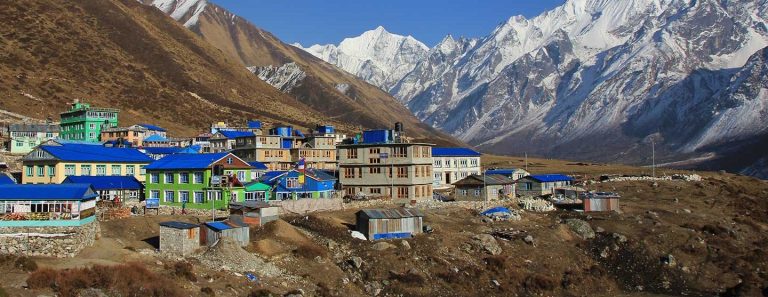
 Best Time to Trek Langtang Valley: Month by Month
Langtang is close to Kathmandu and good for much of the year, but the season changes everything from the views…
 Annapurna Region
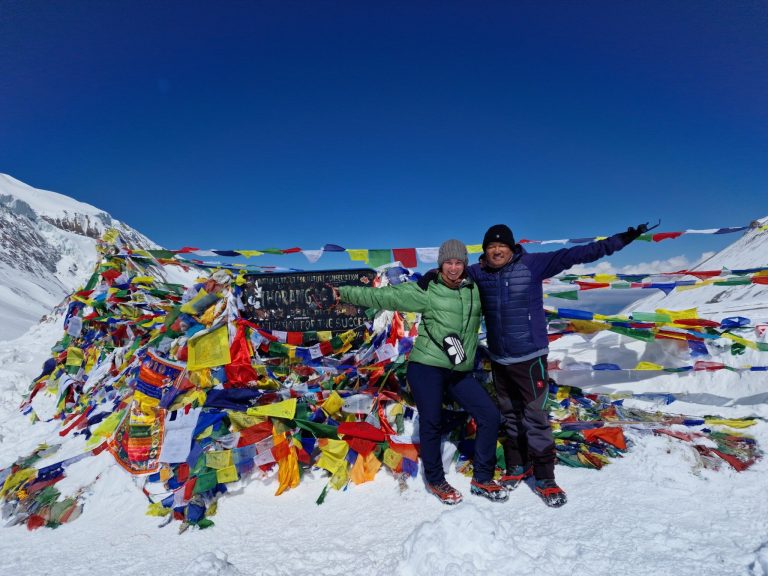
 Thorong La Pass: A Guide to the Big Day on the Annapurna Circuit
Thorong La at 5,416m is the highest point of the Annapurna Circuit. Here’s what crossing day is really like, from…
 Everest Region
 Annapurna Circuit Teahouses: What the Rooms Are Really Like
Teahouses on the Annapurna Circuit range from comfortable lodges in Manang to bare rooms at Thorong Phedi. Here’s what to…