

Pokhara Panorama Trek
●●●●● 4.9 · 60+ TripAdvisor reviewsTrek above Pokhara through Gurung villages and open ridge to a front-row view of the Annapurna range in 9 days
On The Trail
What It Really Looks Like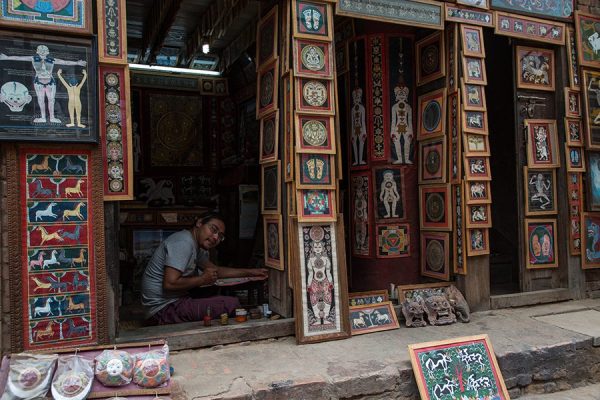

Pokhara Panorama Trek: What to Expect
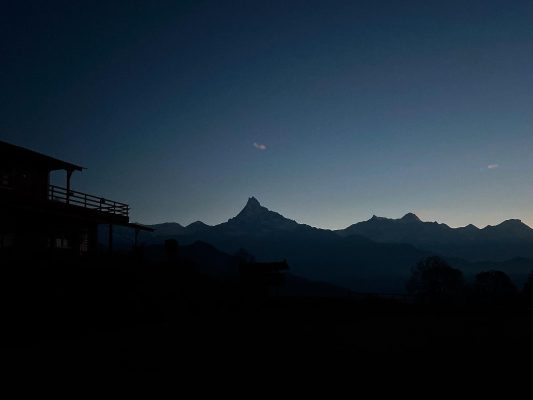
Clear sightlines to five major peaks from Australian Camp
Pokhara-based guides who know every trail and village
Pokhara to Sarangkot to Dhampus, entirely on foot
Teahouse nights in Sarangkot and Australian Camp
The Pokhara Panorama Trek links Sarangkot, Australian Camp, and Dhampus in a single walking circuit over three days. The route climbs from Pokhara’s lakeside, reaches 2,060m at Australian Camp, then descends through Dhampus to Phedi. No backtracking. Entirely on foot.
Daily walking is 3 to 5 hours. The trail is well-marked through forest, terraced farmland, and open ridge. The steepest section is the climb to Sarangkot on Day 5. A basic level of fitness is enough. No altitude preparation required.
MountainKick runs this trek with licensed local guides who know the Pokhara hills from the ground up. All permits, porters, and logistics are handled before you arrive. Kumar answers personally if you have questions before booking.
Trail highlights:
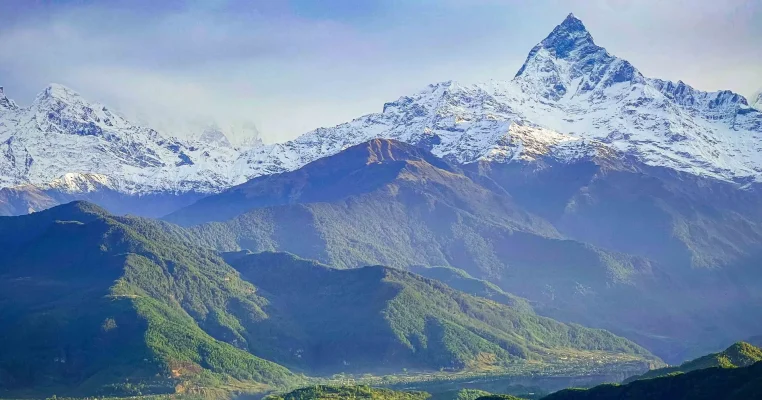
- Sunrise over Annapurna I, Machhapuchhre, Dhaulagiri, and Hiunchuli from Sarangkot at 1,600m
- Australian Camp at 2,060m, one of the quietest panoramic viewpoints in the Pokhara hills
- Dhampus, a traditional Gurung village with stone houses and terraced farmland
- Full walking circuit with no repeated trail sections
- Dense rhododendron and oak forest on the upper trail above Kande
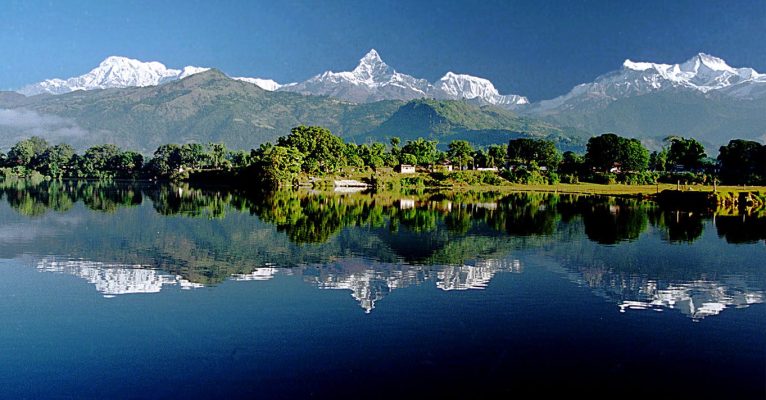
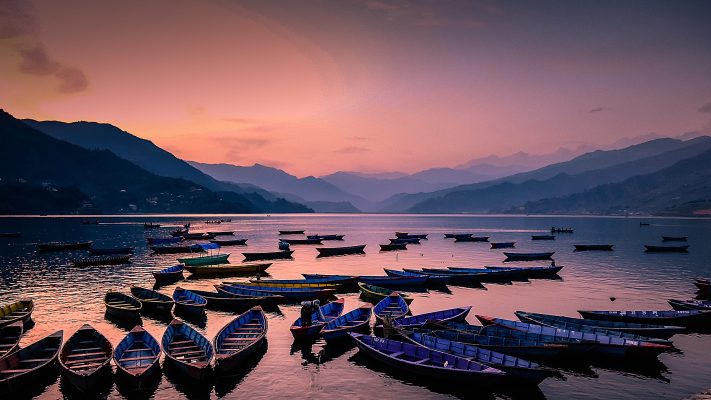
- Phewa Lake and Pokhara valley visible from the ridge on clear days
For a higher or longer option nearby, see our Ghorepani Poon Hill Trek or Mardi Himal Base Camp Trek.
Day-by-Day Itinerary
Arrive in Kathmandu
A MountainKick representative meets you at the airport and transfers you to your hotel in Thamel. Your guide runs a brief intro covering the itinerary, gear check, and what to expect on the trail. The evening is free to explore Thamel on your own.

Kathmandu Valley Sightseeing
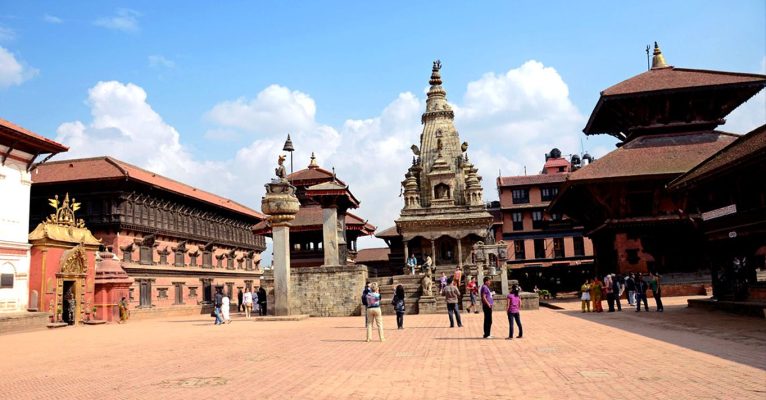
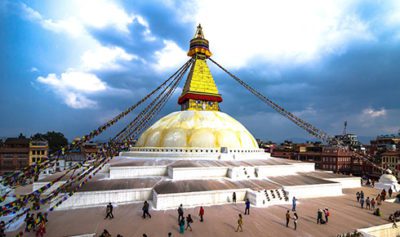
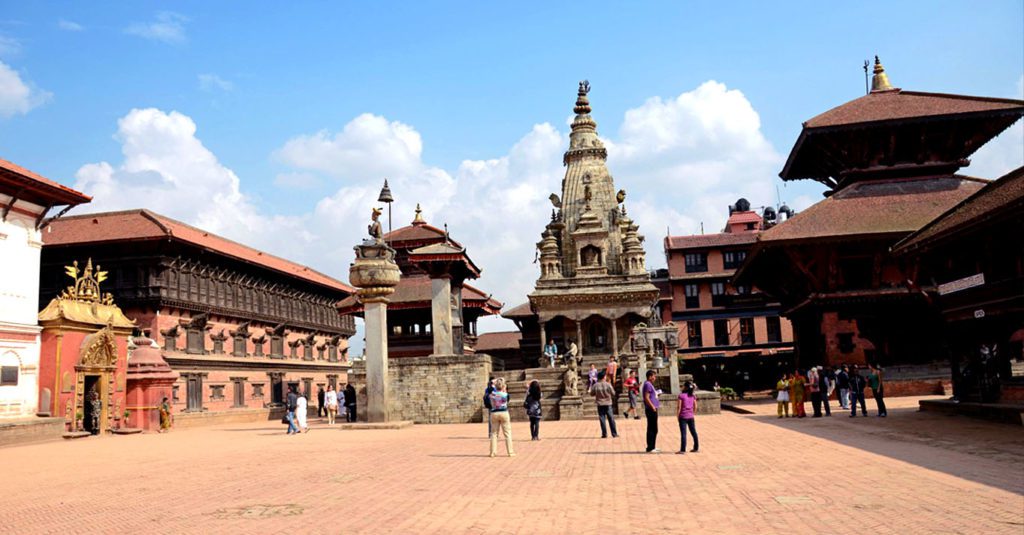
A full day by private vehicle with your guide covering Pashupatinath Temple, Boudhanath Stupa, and the medieval streets of Bhaktapur Durbar Square. All entrance fees included. Pre-trip briefing in the evening before the bus to Pokhara the next morning.
Kathmandu to Pokhara by Tourist Bus
Morning tourist bus west along the Prithvi Highway through the Trishuli River gorge and terraced hillsides. The 200km journey takes 6 to 7 hours. Arrive Pokhara by mid-afternoon with the evening free at the Phewa Lake promenade.
Pokhara City Sightseeing
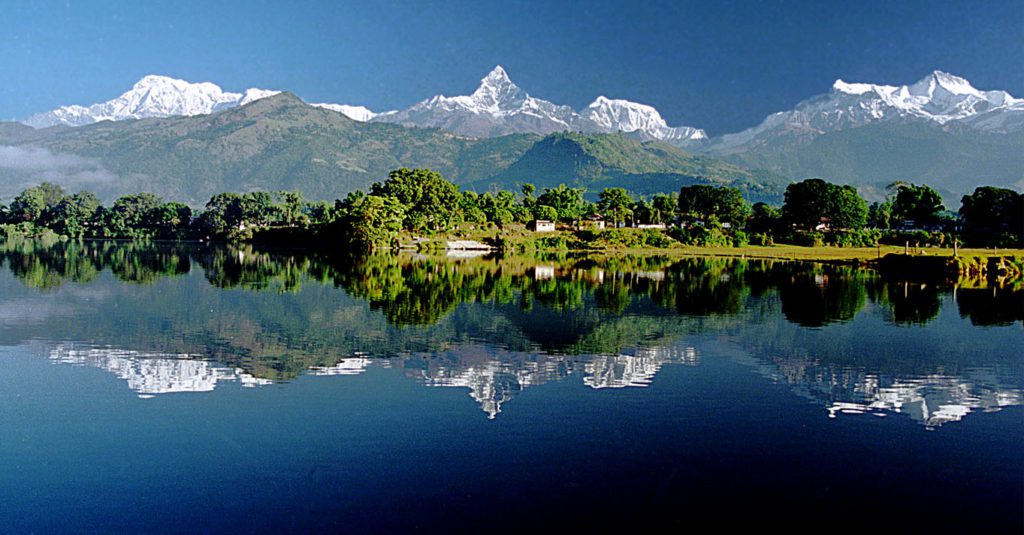
A full day in Pokhara by private vehicle with your guide. Stops include Davis Falls, Mahendra Cave, and the World Peace Pagoda with its panoramic view of the Annapurna range. Afternoon free at the lakeside before the trek begins tomorrow.
Trek to Sarangkot
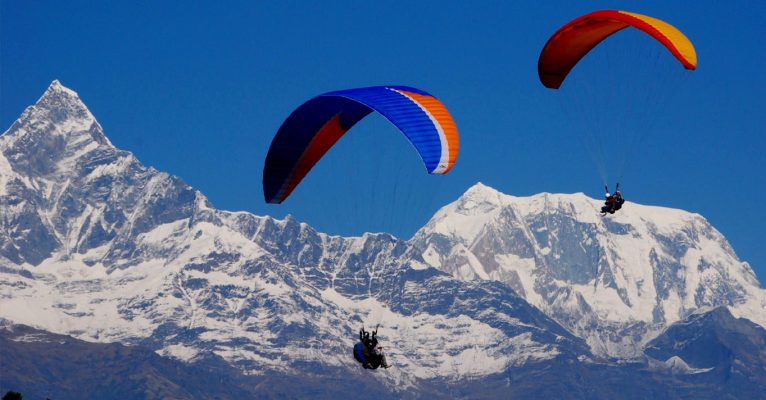
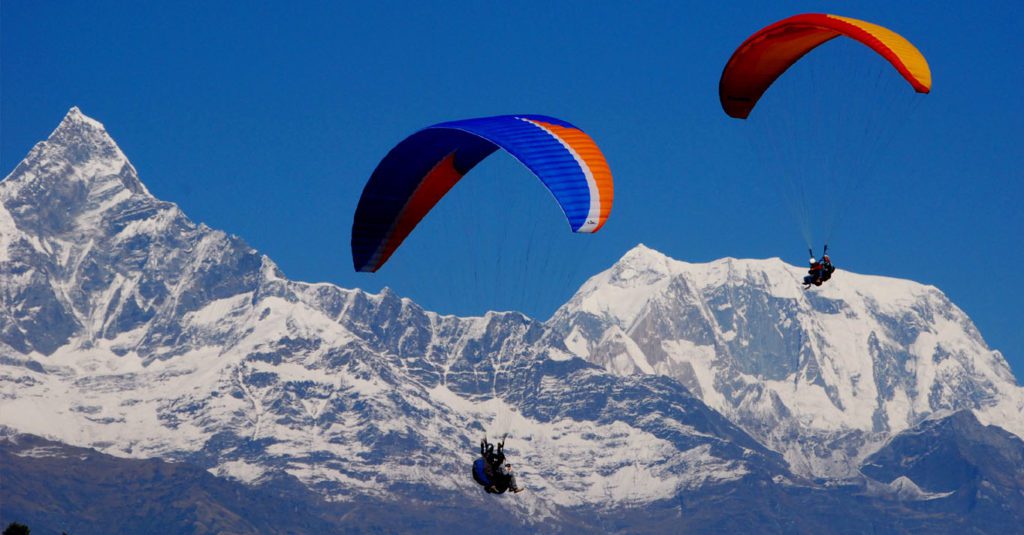
The trek starts from Pokhara’s lakeside, climbing steeply through terraced fields and pine forest for 3 to 4 hours to the ridge top. Views open across the full Annapurna range with Phewa Lake directly below. Sarangkot is also Nepal’s most popular paragliding launch point.

Trek to Australian Camp
Early start for sunrise over the Annapurna range before the trail continues north through Kande and the upper belt of oak and rhododendron forest to Australian Camp. Known locally as Thulo Kharka meaning “big pasture,” the camp sits on an open ridge with unobstructed views of Annapurna I, Machhapuchhre, and Dhaulagiri.

Trek to Dhampus and Drive to Pokhara
A descending morning through rhododendron forest to Dhampus, a traditional Gurung village with stone houses and wide mountain views. After lunch the trail drops on stone steps through forest to Phedi on the valley road. A 30 minute drive returns you to Pokhara, completing the circuit.

Pokhara to Kathmandu and Farewell Dinner
Morning at leisure in Pokhara before the tourist bus east to Kathmandu. Arrive by early evening. Farewell dinner with traditional Nepali food and cultural performances closes out the trip.
Final Departure
Private transfer to Tribhuvan International Airport timed to your flight. Your guide sees you off at departures.
3D Route Map
Includes & Excludes
-
Airport transfers in Kathmandu Private vehicle, arrival and departure
-
3-star hotel in Kathmandu 2 nights, twin-sharing, breakfast included
-
3-star hotel in Pokhara 2 nights, twin-sharing, breakfast included
-
Kathmandu guided sightseeing Full day private vehicle — Boudhanath, Pashupatinath, Bhaktapur
-
Pokhara guided sightseeing Full day private vehicle — Davis Falls, Mahendra Cave, World Peace Pagoda
-
Teahouse accommodation on trek 3 nights, twin-sharing throughout
-
Tourist bus Kathmandu to Pokhara return Both directions, departs 7am from Sorakhutte
-
Private transport Phedi to Pokhara
-
Government-licensed trekking guide NTB-certified, English speaking, full trek
-
Porter service 1 porter per 2 trekkers, 20kg load limit
-
All staff costs Salary, insurance, equipment, food and accommodation
-
Annapurna Conservation Area Permit (ACAP) Required entry permit for the Annapurna region
-
TIMS card Trekkers' Information Management System
-
Farewell dinner in Kathmandu Traditional Nepali meal with your guide
-
Duffel bag Yours to keep as a souvenir
-
International flights To and from Kathmandu
-
Nepal visa fee 15 days $30 / 30 days $50 / 90 days $125, available on arrival
-
Travel insurance Mandatory. Must cover helicopter evacuation to at least 3000m
-
All meals on trek Budget $15 to $25 per day. Teahouses serve breakfast, lunch and dinner
-
Lunch and dinner in Kathmandu and Pokhara Except the farewell dinner
-
Hot showers, Wi-Fi, battery charging Small charge at teahouses, typically $2 to $5 each
-
Guide and porter tips Customary. Roughly 10-15% of the trip price
-
Personal expenses Snacks, bottled water, laundry, souvenirs
Enhance Your Trek
We Handle the Details
FreeWhere You'll Sleep & What You'll Eat
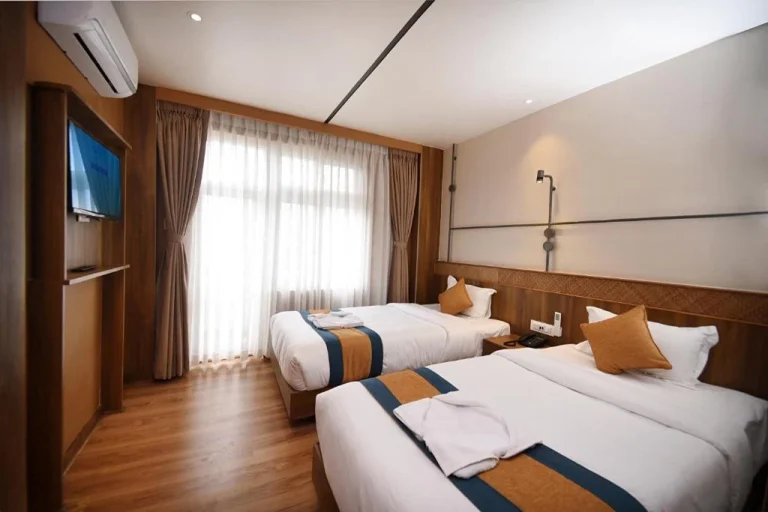
In Kathmandu and Pokhara you stay in 3-star hotels on twin-sharing basis with breakfast included. Rooms have private bathrooms, hot water, and Wi-Fi. On the three trek days you stay in teahouse guesthouses in Sarangkot and Australian Camp. Rooms are simple with beds, pillows, and blankets. Bathrooms are shared. Hot showers and Wi-Fi are available at most teahouses for a small extra charge. Single supplement is available on request at $50 additional.
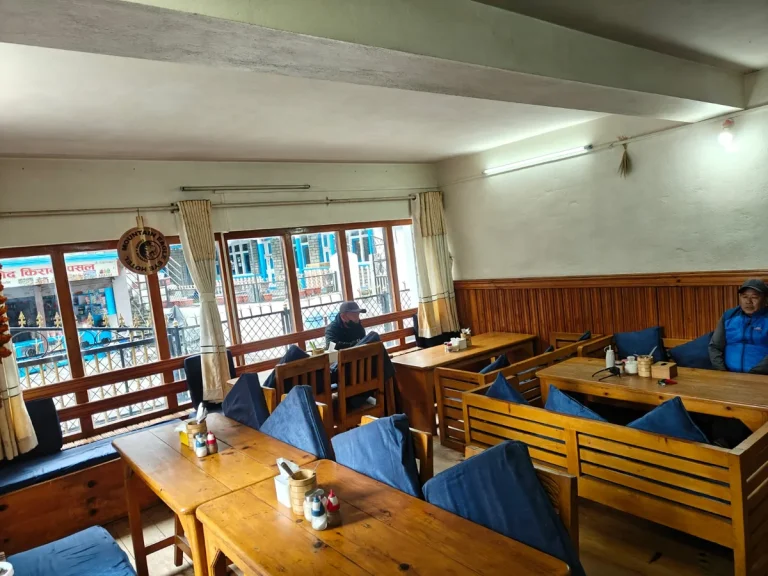
Breakfast is included in Kathmandu and Pokhara. Lunch and dinner in the cities are on your own. All three meals on trek days are your own cost. Teahouses serve dal bhat, noodle soups, fried rice, eggs, pasta, porridge, and pancakes. Vegetarian options are available throughout. Portions are generous. Budget $15 to $25 per day for three meals on the trail.
| Meals on trail (3 per day) | $15 to $25 / day |
| Hot shower | $2 to $3 |
| Wi-Fi (where available) | $2 to $3 |
| Battery charging per device | $1 to $2 |
| Bottled water | $1 to $2 |
What Our Trekkers Say
“A beautiful short trek from Pokhara”
As a couple, we really enjoyed the Pokhara Panorama trek. The walking was comfortable and the views over the Annapurna range were beautiful, especially in the early mornings. We also enjoyed passing through small villages and seeing a quieter side of the area. Our guide was excellent and MountainKick made…
“Perfect few days in the mountains”
Our group of four friends had a wonderful time on this trek, a good balance of walking, mountain views, and village life without being too demanding. The scenery around Pokhara was fantastic and we really enjoyed the peaceful trails. MountainKick organized the trip well and the whole experience felt relaxed…
“Great trek for a short Nepal trip”
With only a few days available, this was exactly what we needed. The trails were beautiful, the villages were interesting, and we had some fantastic views of the mountains. Our guide was friendly and patient and made sure we were comfortable each day, a very enjoyable experience with MountainKick.
Frequently Asked Questions
How difficult is the Pokhara Panorama Trek?
This trek is rated moderate and is suitable for active beginners with no prior trekking experience. Daily walking is 3 to 5 hours on well-marked trail. The steepest section is the climb from Pokhara to Sarangkot on Day 5. A basic level of fitness is enough. No altitude preparation required
What is the maximum altitude?
The highest point is Australian Camp at 2,060m (6,758ft). This is well below the threshold where altitude sickness becomes a significant risk, making this one of the most accessible mountain treks in Nepal
How does this compare to Poon Hill or Mardi Himal?
The Pokhara Panorama Trek is the most accessible short trek in the region. The Ghorepani Poon Hill Trek reaches 3,210m with more demanding daily stages. The Mardi Himal Base Camp Trek reaches 4,500m and suits trekkers with more time and fitness. If you want a genuine mountain experience without committing to higher altitude, this trek is the right choice
What permits are needed?
Two permits are required: the Annapurna Conservation Area Permit (ACAP) and the TIMS card. Both are included in your MountainKick package and arranged before departure from Kathmandu
What travel insurance do I need?
Travel insurance covering emergency helicopter evacuation to at least 3,000m is mandatory. Purchase your policy before arriving in Nepal and carry a printed copy throughout the trip. Contact your insurer to confirm trekking coverage is included
Are there ATMs on the trail?
No. Withdraw all cash in Pokhara before the trek starts. Budget NPR 1,500 to 2,000 per day for meals and personal expenses on the three trek days. Carry small denominations as change is limited at teahouses
What food is available on the trek?
Teahouses serve dal bhat, noodle soups, fried rice, eggs, pasta, porridge, and pancakes. Vegetarian options are available throughout. Budget $15 to $25 per day for three meals. Prices are lower than higher-altitude treks as supplies are easier to transport at this elevation
Is this trek suitable for families?
Yes. The low altitude, short daily stages, and well-marked trail make it accessible for older children and parents. The combination of city sightseeing in Kathmandu and Pokhara alongside the three trekking days makes it a well-rounded family trip
Yes. The low altitude, short daily stages, and well-marked trail make it accessible for older children and parents. The combination of city sightseeing in Kathmandu and Pokhara alongside the three trekking days makes it a well-rounded family trip
October and November for clear skies and sharp mountain views. March to May for spring conditions with rhododendron bloom on the lower trail. December to February is cooler but manageable with the right layers. Monsoon season from June to August is not recommended due to heavy rain, leeches on the lower forest sections, and poor visibility
How much should I tip guides and porters?
Tipping is customary and genuinely appreciated. A general guideline is 10 to 15% of your total trip cost shared across your guide and porter. Tips are typically given at the farewell dinner in Kathmandu
Departure Dates & Pricing
No upcoming fixed departures are scheduled at the moment. Contact us to arrange a private departure on dates that suit you.
We never force our customers to follow our set itinerary. You can customize your itinerary exactly the way you want. Please share with us your ideas.
"*" indicates required fields
-
1
20% deposit: due on booking Secures your place on the departure. The deposit is non-refundable. We also need a copy of your passport.
-
2
80% balance: due on arrival Pay the rest in Kathmandu before the trip starts. Bank transfer, cash, or card (4% card fee).
| Cancel before you arrive | Deposit not refunded, nothing more to pay |
| Cancel after the pre-trip meeting | No refund |
| Date or name change | USD 200 per person |
| MountainKick cancels trip | Full refund or reschedule |
Weather delays and extra days cost extra, so travel insurance is required. We give you documents for any claim.
Read the full terms and conditionsPacking List
Footwear
ⓘ Good grip matters more than waterproofing on this route
Clothing
ⓘ Mild temperatures throughout. One warm layer is enough for Australian Camp evenings
Head and Hands
ⓘ Skip gloves and neck gaiter. This is a low-altitude route
Gear
ⓘ our porter carries the duffel. Your daypack is for daily essentials only. Keep it under 5kg.
Health and First Aid
ⓘ Your guide carries a basic first aid kit. Blisters and sore knees from the stone steps are the most common issues on this trek.
Toiletries
ⓘ Keep it minimal. You are staying in small teahouse rooms with limited space.
Documents and Money
ⓘ No ATMs past Pokhara. Carry all cash in small denominations before the trek starts
Trekking in Winter (Dec to Feb)
Trekking in Monsoon (Jun to Aug)
⚠ Monsoon is not recommended for this trek. Stone steps become slippery, leeches are active on the lower forest trail between Pokhara and Dhampus, and mountain views are blocked by cloud for days at a time
Leave at home
-
Jeans or cotton clothing Takes days to dry and has zero insulation when wet.
-
Full-size towel Heavy and bulky. Microfiber only.
-
Laptop No need and the weight is punishing on steep trails.
-
Excessive snacks from home Dal bhat and teahouse food is cheap and abundant.
-
Valuables and jewellery Leave at the hotel in Kathmandu.
-
Sleeping bag Teahouses provide blankets at this altitude. Dead weight for a 3-day trek.
Trekking poles can be rented in Pokhara before the trek. Sleeping bags are available for rent if needed. MountainKick provides a duffel bag for every trekker and connects you with trusted gear shops at the pre-trip briefing
Pokhara Panorama Trek
Talk to Kumar and the team before you commit. Ask about gear, fitness, altitude or a private group.

Tales from the Himalayas
 Essentials
Family Trekking in Nepal: Best Treks for Kids, Ages and Tips
The best treks in Nepal for families with kids, which ages suit which routes, altitude and safety, and how we…
 Everest Region
EBC Trek in March: Weather, Snow, Crowds and What to Expect
March brings clear mountain views and quieter trails to the Everest Base Camp trek, but nights stay very cold up…
 Annapurna Region
Tilicho Lake Trek: Altitude, Route, Difficulty and Best Time
One of the highest lakes of its size in the world, three days off the Annapurna Circuit. Here’s how to…